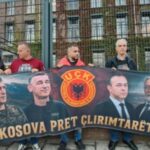
Në kohën kur Kosova përgatitet për marshimin qytetar në mbështetje të ish-pjesëtarëve të UÇK-së dhe pak ditë para aktgjykimit në Hagë ndaj Hashim Thaçit, Kadri Veselit, Rexhep Selimit dhe Jakup Krasniqit, Serbia po zhvillon një stërvitje të gjerë ushtarake në rrafshnaltën e Pešterit. Në të janë përfshirë forcat tokësore, aviacioni luftarak, helikopterët, mbrojtja kundërajrore, artileria, njësitë speciale, 63. Brigada e Parashutistëve, policia ushtarake, mjetet pa pilot dhe platformat robotike. Përputhja kohore nuk është provë e një plani kundër Kosovës, por përmasat e aktivitetit dhe mënyra e demonstrimit të kapaciteteve e bëjnë zhvillimin të rëndësishëm për t’u ndjekur me vëmendje.
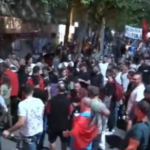
Kosova po hyn në një prej periudhave më të ndjeshme politike dhe shoqërore të këtij viti. Në Prishtinë pritet një mobilizim qytetar në mbështetje të ish-pjesëtarëve dhe drejtuesve të Ushtrisë Çlirimtare të Kosovës që po përballen me procesin gjyqësor në Hagë, ndërsa Dhomat e Specializuara të Kosovës kanë caktuar për 16 shtator 2026 shpalljen e aktgjykimit në çështjen ndaj Hashim Thaçit, Kadri Veselit, Rexhep Selimit dhe Jakup Krasniqit.[1] Vetë Dhomat e Specializuara kanë njoftuar se shpallja do të jetë publike dhe do të transmetohet online në gjuhët zyrtare të gjykatës.[2] Në këtë klimë politike dhe emocionale, në anën tjetër të kufirit, Serbia po zhvillon stërvitjen e gjerë ushtarake “Pobednik 2026”, me fazën aktive në rrafshnaltën e Pešterit.
Sipas Ministrisë së Mbrojtjes së Serbisë, “Pobednik 2026” është një stërvitje e përbashkët taktike me qitje luftarake, e cila zhvillohet në disa faza dhe lokacione.[3] Faza aktive në poligonin e përkohshëm “Pešter” ka nisur më 3 shtator dhe përfshin ushtrime taktike, qitje me municion luftarak dhe veprime të koordinuara ndërmjet formacioneve të ndryshme.[3] Ministria serbe ka bërë të ditur se aktivitetet e stërvitjes do të vazhdojnë deri në fillim të tetorit, ndërsa aktivitetet kryesore në poligonin e Pešterit janë planifikuar deri më 13 shtator.[3]
Vetë struktura e forcave të angazhuara tregon përmasën e aktivitetit. Sipas njoftimeve zyrtare, në “Pobednik 2026” marrin pjesë njësitë e Forcave Tokësore, Forcave Ajrore dhe Mbrojtjes Kundërajrore, forcat speciale dhe policia ushtarake.[4] Pra, nuk bëhet fjalë për një stërvitje të kufizuar në një degë të vetme të ushtrisë, por për një aktivitet të përbashkët ku komponentët e ndryshëm ushtarakë veprojnë në bashkërendim.
Në terren janë angazhuar tanke të modernizuara, mjete të blinduara, sisteme kundërtanke dhe artileri.[5] Ministria serbe ka bërë të ditur se në aktivitetet e fazës aktive përdoren njëkohësisht mjete të blinduara, avionë luftarakë, helikopterë, sisteme raketore kundërajrore, sisteme kundërtanke, artileri, si dhe një numër i madh platformash pa pilot dhe robotike.[5] Kjo e vendos stërvitjen në kategorinë e ushtrimeve ku synohet të testohet bashkëveprimi i shumë sistemeve dhe formacioneve brenda një skenari të vetëm operacional.
Komponenti ajror është veçanërisht i dukshëm. Sipas Ministrisë së Mbrojtjes së Serbisë, në “Pobednik 2026” marrin pjesë avionët shumërolësh MiG-29 dhe avionët gjuajtës-bombardues “Orao”, ndërsa komponenti i helikopterëve përfshin Mi-35, H-145, “Gama” dhe Mi-17.[6] Në aktivitet janë përfshirë edhe mjete ajrore të pilotuara në distancë, ndërsa Forcat Ajrore dhe Mbrojtja Kundërajrore kryejnë detyra të zbulimit dhe vëzhgimit të hapësirës ajrore, bombardimit dhe raketimit të objektivave tokësore dhe qitjeve kundër objektivave në ajër.[6]
Në të njëjtin skenar janë integruar edhe sistemet e mbrojtjes kundërajrore. Ministria serbe ka identifikuar sistemin HQ-17AE dhe radarët GM-200 si pjesë të komponentit të Mbrojtjes Kundërajrore.[6] Prania e tyre tregon se stërvitja nuk përqendrohet vetëm në përdorimin e aviacionit ose forcave tokësore, por edhe në zbulimin, ndjekjen dhe reagimin ndaj objektivave ajrore brenda një skenari të përbashkët.
Një element tjetër i rëndësishëm është përdorimi i mjeteve ajrore pa pilot dhe platformave tokësore robotike. Sipas njoftimeve të Ministrisë së Mbrojtjes së Serbisë, këto sisteme janë përdorur në aktivitetet e stërvitjes së bashku me tanket, mjetet e blinduara, artilerinë dhe sistemet e tjera të zjarrit.[5] Në një ushtri moderne, sistemet pa pilot mund të përdoren për zbulim, vëzhgim, mbledhje dhe transmetim të të dhënave dhe mbështetje të njësive në terren. Platformat robotike tokësore mund të përdoren në detyra të ndryshme brenda skenarit stërvitor, duke ulur ekspozimin e drejtpërdrejtë të personelit ndaj rrezikut.
Në këtë kuadër, një vend të veçantë zë 63. Brigada e Parashutistëve. Ministria serbe ka njoftuar se njësitë e kësaj brigade po zhvillojnë aktivitete në disa lokacione jashtë zonës së bazimit paqësor.[7] Sipas skenarit të stërvitjes, pjesëtarët e brigadës janë desantuar nga avionë dhe helikopterë dhe më pas kanë ushtruar veprime taktike për marrjen e objekteve të rëndësishme të armikut, zbulimin dhe drejtimin e zjarrit të artilerisë.[7] Këto janë detyra që i përkasin operacioneve me mobilitet të lartë dhe që kërkojnë bashkërendim të ngushtë ndërmjet forcave ajrore, njësive speciale dhe forcave tokësore.
Ministria e Mbrojtjes së Serbisë e përshkruan rolin e njësive speciale si veçanërisht të rëndësishëm për shkak të fleksibilitetit, shpejtësisë dhe aftësisë së tyre për të realizuar detyra që autoritetet serbe i cilësojnë si të rëndësishme në nivel strategjik.[7] Në kuadër të stërvitjes, këto njësi nuk veprojnë të izoluara, por në mbështetje dhe bashkëveprim me komponentët e tjerë të ushtrisë.
Policia ushtarake është një tjetër komponent i përfshirë në strukturën e përgjithshme të “Pobednik 2026”. Sipas planit të publikuar nga Ministria e Mbrojtjes së Serbisë, faza përfundimtare e stërvitjes do të përfshijë njësitë e policisë ushtarake, të cilat do të realizojnë ushtrime, qitje dhe veprime taktike me municion luftarak në disa lokacione.[3] Kjo tregon se aktiviteti nuk përfundon me fazën e Pešterit, por vazhdon edhe me skenarë të tjerë operacionalë.
Forcat Tokësore, ndërkohë, janë duke zhvilluar qitje luftarake dhe ushtrime taktike me mjete të blinduara dhe artileri.[5] Sipas njoftimeve zyrtare, këto njësi po përgatiten për përmbajtje më komplekse të stërvitjes, ndërsa aktivitetet përfshijnë edhe fluturime stërvitore, bombardim dhe raketim të objektivave tokësore.[5] Në këtë mënyrë, stërvitja synon të testojë jo vetëm fuqinë e zjarrit, por edhe aftësinë e formacioneve për të vepruar në një sistem të integruar.
Më 13 shtator, sipas njoftimit zyrtar serb, aktivitetet kryesore në Pešter do të kulmojnë me një stërvitje të një grupi taktik të përforcuar në kryerjen e një operacioni sulmues.[3] Ministria serbe ka njoftuar se në atë ditë publikut do t’i paraqiten vendosmëria dhe aftësia e personelit, mundësitë e zjarrit të sistemeve të reja dhe të modernizuara dhe niveli i bashkëveprimit ndërmjet forcave.[3] Pra, demonstrimi i kapaciteteve nuk është vetëm pjesë e trajnimit të brendshëm, por në një masë të caktuar edhe aktivitet publik.
Kjo është një pikë që meriton vëmendje. Serbia nuk po e fsheh stërvitjen. Përkundrazi, Ministria e Mbrojtjes po publikon fotografi, video dhe përshkrime të sistemeve të përdorura dhe ka parashikuar edhe raportim mediatik nga poligoni më 13 shtator.[8] Kjo e bën “Pobednik 2026” jo vetëm një aktivitet ushtarak, por edhe një demonstrim publik të aftësive të forcave serbe.
Nga pikëpamja ushtarake, qëllimi i deklaruar është i qartë: përmirësimi i aftësive të komandave dhe njësive për përgatitjen dhe zhvillimin e operacioneve luftarake, organizimi i bashkëveprimit, bashkëpunimit dhe mbrojtjes së forcave, me theks te përdorimi i armatimit dhe pajisjeve të reja dhe të modernizuara.[3] Kjo është arsyeja pse në stërvitje janë bashkuar forca tokësore, ajrore, kundërajrore dhe speciale.
Por për Kosovën, rëndësia e kësaj stërvitjeje nuk lidhet vetëm me aspektin ushtarak. Ajo lidhet edhe me kohën.
Në Prishtinë pritet marshimi qytetar në mbështetje të ish-pjesëtarëve të UÇK-së, ndërsa më 16 shtator në Hagë pritet aktgjykimi ndaj Thaçit, Veselit, Selimit dhe Krasniqit.[1] Dhomat e Specializuara kanë bërë të ditur se gjykimi filloi më 3 prill 2023, se procedura e provave përfundoi më 18 dhjetor 2025 dhe se deklaratat përmbyllëse u zhvilluan nga 9 deri më 18 shkurt 2026.[1] Sipas të njëjtit burim, në çështje kanë dëshmuar 134 dëshmitarë.[1] Pra, bëhet fjalë për një proces të gjatë dhe kompleks, për të cilin aktgjykimi pritet në një moment me rëndësi të veçantë për opinionin publik në Kosovë.
Në këtë atmosferë, demonstrimi i kapaciteteve ushtarake serbe në Pešter mund të ketë edhe një efekt psikologjik. Për qytetarët e Kosovës, veçanërisht për ata që e kanë përjetuar luftën, pamjet e tankeve, artilerisë, avionëve luftarakë, helikopterëve, sistemeve raketore dhe njësive speciale nuk janë thjesht pamje teknike. Ato lidhen me një kujtesë historike dhe me një ndjenjë të vazhdueshme të pasigurisë rajonale.
Ky efekt psikologjik duhet marrë seriozisht, por duhet përshkruar me saktësi. Të thuhet se një demonstrim ushtarak mund të krijojë frikë dhe pasiguri te qytetarët është një vlerësim i arsyeshëm. Të thuhet se Serbia ka organizuar “agresion psikologjik” të drejtpërdrejtë ndaj qytetarëve të Kosovës është një pretendim tjetër dhe do të kërkonte prova për qëllimin e organizatorëve.
Deri tani, në burimet zyrtare të publikuara nuk ka ndonjë deklaratë që e lidh “Pobednik 2026” drejtpërdrejt me marshimin në Prishtinë ose me aktgjykimin në Hagë. Për këtë arsye, nuk mund të paraqitet si fakt se stërvitja është organizuar posaçërisht për të ndikuar në këto zhvillime.
Por kjo nuk do të thotë se dimensioni politik dhe simbolik duhet injoruar.
Një ushtri që publikon në mënyrë të detajuar përdorimin e avionëve luftarakë, helikopterëve, sistemeve kundërajrore, artilerisë, tankeve, njësive speciale dhe platformave robotike po tregon para opinionit të brendshëm dhe rajonal se çfarë kapacitetesh pretendon se ka. Kjo është një formë demonstrimi force, edhe kur aktiviteti ka karakter zyrtarisht stërvitor.
Vetë Ministria serbe e përshkruan stërvitjen si përgatitje për t’iu përgjigjur “sfidave, rreziqeve dhe kërcënimeve” ndaj sigurisë së Republikës së Serbisë.[3] Kjo gjuhë është pjesë e narrativës zyrtare të Beogradit dhe tregon se stërvitja përdoret edhe për të komunikuar një mesazh mbi gatishmërinë e shtetit serb.
Në të njëjtën kohë, aktiviteti zhvillohet në një zonë ku ushtria serbe ka edhe prani të dukshme ndaj komunitetit lokal. Ministria e Mbrojtjes ka raportuar për aktivitete të bashkëpunimit civil-ushtarak në zonën e Sjenicës, përfshirë punime infrastrukturore, ndihmë mjekësore dhe mbështetje për furnizimin me ujë të disa familjeve.[9] Ky element nuk duhet ngatërruar me përmbajtjen luftarake të stërvitjes, por tregon se prania ushtarake në Pešter shoqërohet edhe me një dimension të marrëdhënies me komunitetin lokal.
Nga pikëpamja e sigurisë së Kosovës, pyetja më e rëndësishme është nëse “Pobednik 2026” mbetet brenda kornizës së një stërvitjeje të planifikuar apo nëse do të shfaqen elemente të tjera që ndryshojnë vlerësimin. Një stërvitje, edhe kur është e madhe dhe përdor municion real, nuk është automatikisht përgatitje për luftë.
Për një vlerësim se kemi të bëjmë me një kërcënim konkret do të nevojiteshin tregues të tjerë: ndryshime të pazakonta në dislokimin e forcave, lëvizje jashtë zonave të stërvitjes, mobilizime të papritura, përqendrime të forcave pranë kufirit ose deklarata dhe urdhra që do ta lidhnin aktivitetin me një objektiv konkret.
Asnjë nga këto nuk mund të nxirret vetëm nga fakti se Serbia po zhvillon “Pobednik 2026”.
Kjo është arsyeja pse një analizë serioze duhet të shmangë dy ekstremet: nga njëra anë, minimizimin e aktivitetit ushtarak serb, dhe nga ana tjetër, shpalljen e tij pa prova si përgatitje për një sulm ndaj Kosovës.
Faktet janë të mjaftueshme për të treguar se kemi përpara një stërvitje të madhe dhe shumëkomponentëshe. Forcat Tokësore janë të angazhuara me tanke, mjete të blinduara, artileri dhe sisteme kundërtanke; Forcat Ajrore dhe Mbrojtja Kundërajrore me avionë luftarakë, helikopterë, radarë dhe sisteme raketore; njësitë speciale dhe 63. Brigada e Parashutistëve me detyra të mobilitetit të lartë; policia ushtarake me fazat e saj të mëvonshme; ndërsa mjetet pa pilot dhe platformat robotike janë futur në mënyrë të integruar në skenar.[3][4][5][6][7]
Në këtë kuptim, “Pobednik 2026” është një demonstrim i rëndësishëm i kapaciteteve ushtarake të Serbisë.
Por është po aq e rëndësishme të thuhet se kjo nuk është, në vetvete, dëshmi se Serbia po përgatit një sulm ndaj Kosovës.
Për Kosovën, kjo duhet të jetë një arsye për monitorim institucional, jo për panik. Institucionet e sigurisë duhet të ndjekin aktivitetet, të vlerësojnë çdo ndryshim të pazakontë dhe të komunikojnë me publikun në mënyrë të qartë. Në një periudhë kur tensioni emocional është më i lartë për shkak të procesit në Hagë, përgjegjësia e institucioneve dhe e mediave është edhe më e madhe.
Edhe qytetarët kanë nevojë për informacion të saktë. Një fotografi e një tanku, një video e një avioni MiG-29 apo një pamje e një sistemi raketor nuk duhet të interpretohet automatikisht si shenjë e një konflikti të afërt. Por, në të njëjtën kohë, një aktivitet ushtarak i përmasave të tilla nuk duhet të trajtohet si diçka e parëndësishme.
Në fund të fundit, ajo që po ndodh në Pešter është reale: Serbia po zhvillon një stërvitje të gjerë, me municion luftarak, me përfshirjen e forcave tokësore, ajrore, kundërajrore, speciale dhe policisë ushtarake, me përdorimin e aviacionit luftarak, helikopterëve, artilerisë, sistemeve raketore dhe teknologjive pa pilot.[3][4][5][6][7] Aktivitetet kryesore në Pešter kulmojnë më 13 shtator, ndërsa cikli i përgjithshëm i “Pobednik 2026” vazhdon deri në fillim të tetorit.[3]
Në të njëjtën kohë, Kosova përballet me një moment tjetër të rëndësishëm: marshimin qytetar në mbështetje të ish-pjesëtarëve të UÇK-së dhe pritjen e aktgjykimit të 16 shtatorit në Hagë.[1][2] Kjo e bën atmosferën rajonale më të ndjeshme dhe e shton vëmendjen ndaj çdo sinjali politik, ushtarak apo institucional që vjen nga Beogradi.
A është “Pobednik 2026” një provokim? Mund të perceptohet si i tillë në Kosovë, veçanërisht për shkak të kohës dhe përmasave të tij. A është provë e një përgatitjeje për sulm? Jo, jo mbi bazën e të dhënave publike që kemi aktualisht. A ka ndikim psikologjik? Po, një demonstrim i tillë ushtarak mund të ndikojë në perceptimin e sigurisë së qytetarëve. A duhet Kosova ta monitorojë? Pa dyshim.
Prandaj, mesazhi më i arsyeshëm në këtë fazë është i thjeshtë: vëmendje po, panik jo.
Kosova ka arsye të jetë vigjilente, por jo të frikësohet. Serbia po demonstron kapacitete të konsiderueshme ushtarake dhe kjo duhet të merret seriozisht nga institucionet e sigurisë. Por çdo përfundim për një kërcënim konkret ndaj Kosovës duhet të mbështetet në prova, në vlerësime profesionale dhe në zhvillime të verifikueshme, jo vetëm në përputhjen e datave ose në pamjet e një stërvitjeje.
Në ditët në vijim, vëmendja duhet të përqendrohet te ajo që ndodh realisht në terren: a mbetet ushtria serbe brenda skenarit të deklaruar të stërvitjes, apo shfaqen lëvizje dhe zhvillime të tjera të pazakonta? Kjo është pyetja që do të përcaktojë nëse kemi të bëjmë vetëm me një demonstrim të planifikuar të kapaciteteve ushtarake apo me një zhvillim që kërkon vlerësim tjetër të sigurisë.
Deri atëherë, faktet duhet të qëndrojnë mbi spekulimet dhe analiza mbi frikën.
Fusnotat,
[1] Dhomat e Specializuara të Kosovës, “Aktgjykimi në çështjen Thaçi dhe të tjerët – 16 shtator 2026”. Dhomat kanë njoftuar se Trupi Gjykues ka caktuar shpalljen e aktgjykimit më 16 shtator 2026, në orën 10:00 CET, në çështjen ndaj Hashim Thaçit, Kadri Veselit, Rexhep Selimit dhe Jakup Krasniqit. Njoftimi përmbledh edhe historikun e çështjes, përfshirë fillimin e gjykimit më 3 prill 2023, mbylljen e fazës së provave më 18 dhjetor 2025 dhe deklaratat përmbyllëse të zhvilluara në shkurt 2026.
[2] Dhomat e Specializuara të Kosovës, “Thaçi et al. Trial Judgment – Information on Registration and Confirmation of Attendance”. Burimi konfirmon se shpallja e aktgjykimit do të bëhet më 16 shtator 2026 dhe se procedura do të jetë e transmetuar online në faqen e gjykatës.
[3] Ministria e Mbrojtjes e Republikës së Serbisë, “Združena taktička vežba sa bojevim gađanjima ‘Pobednik 2026’”, 3 shtator 2026. Njoftimi zyrtar konfirmon fillimin e fazës aktive në poligonin e përkohshëm “Pešter”, pjesëmarrjen e Forcave Tokësore, Forcave Ajrore dhe PVO-së, forcave speciale dhe policisë ushtarake, si dhe vazhdimin e aktiviteteve deri në fillim të tetorit. Ai gjithashtu konfirmon se aktivitetet intensive në Pešter përfundojnë më 13 shtator me një stërvitje të grupit taktik të përforcuar në një operacion sulmues.
[4] Ministria e Mbrojtjes e Republikës së Serbisë, “Obaveštenje”, 9 shtator 2026. Burimi përcakton strukturën e forcave që marrin pjesë në “Pobednik 2026”: Forcat Tokësore, Forcat Ajrore dhe PVO, forcat speciale dhe forcat e policisë ushtarake.
[5] Ministria e Mbrojtjes e Republikës së Serbisë, “Intenzivne aktivnosti na vežbi ‘Pobednik 2026’”, 7 shtator 2026. Njoftimi konfirmon përdorimin e tankeve të modernizuara, mjeteve të blinduara, avionëve luftarakë, helikopterëve, sistemeve kundërajrore, sistemeve kundërtanke, artilerisë, platformave pa pilot dhe platformave robotike.
[6] Ministria e Mbrojtjes e Republikës së Serbisë, “Snage RV i PVO na združenoj vežbi ‘Pobednik 2026’”, 9 shtator 2026. Burimi konfirmon pjesëmarrjen e avionëve MiG-29 dhe “Orao”, helikopterëve Mi-35, H-145, “Gama” dhe Mi-17, mjeteve ajrore të pilotuara në distancë, sistemeve kundërajrore HQ-17AE dhe radarëve GM-200. Gjithashtu përshkruhen qitjet luftarake, ushtrimet taktike, zbulimi dhe vëzhgimi i hapësirës ajrore, bombardimi dhe raketimi i objektivave tokësore dhe qitjet kundër objektivave në ajër.
[7] Ministria e Mbrojtjes e Republikës së Serbisë, “Taktička uvežbavanja jedinica 63. padobranske brigade”, 7 shtator 2026. Burimi konfirmon se njësitë e 63. Brigadës së Parashutistëve marrin pjesë në stërvitje në disa lokacione, me desantime nga avionë dhe helikopterë, marrjen e objekteve të rëndësishme, zbulim dhe drejtim të zjarrit të artilerisë.
[8] Ministria e Mbrojtjes e Republikës së Serbisë, “Obaveštenje”, 9 shtator 2026. Ministria ka njoftuar se mediat do të kenë mundësi të raportojnë nga poligoni i përkohshëm “Pešter” më 13 shtator, duke konfirmuar karakterin publik të prezantimit të fazës së stërvitjes.
[9] Ministria e Mbrojtjes e Republikës së Serbisë, “Pomoć Vojske Srbije meštanima sjeničkih sela”, 4 shtator 2026. Njoftimi dokumenton aktivitetet e bashkëpunimit civil-ushtarak të njësive të Ushtrisë së Serbisë në zonën e Sjenicës gjatë periudhës së stërvitjes “Pobednik 2026”.
[10] Ministria e Mbrojtjes e Republikës së Serbisë, “Združena taktička vežba sa bojevim gađanjima ‘Pobednik 2026’”, 3 shtator 2026. Në njoftimin zyrtar përcaktohen objektivat e stërvitjes: përmirësimi i aftësive të komandave dhe njësive për përgatitjen dhe zhvillimin e operacioneve, organizimi i bashkëveprimit, bashkëpunimit dhe mbrojtjes së forcave, si dhe përdorimi i armatimit dhe pajisjeve të reja e të modernizuara.
[11] Ministria e Mbrojtjes e Republikës së Serbisë, “Intenzivne aktivnosti na vežbi ‘Pobednik 2026’”, 7 shtator 2026. Ky njoftim dokumenton se aktivitetet në Pešter përfshijnë qitje luftarake, ushtrime taktike, fluturime stërvitore, bombardim dhe raketim të objektivave tokësore, si dhe përdorim të mjeteve të modernizuara të luftimit.
[12] Ministria e Mbrojtjes e Republikës së Serbisë, “Snage RV i PVO na združenoj vežbi ‘Pobednik 2026’”, 9 shtator 2026. Ky burim përdoret për të dokumentuar komponentin ajror dhe kundërajror të stërvitjes, përfshirë avionët, helikopterët, mjetet e pilotuara në distancë, HQ-17AE dhe radarët GM-200.
[13] Ministria e Mbrojtjes e Republikës së Serbisë, “Taktička uvežbavanja jedinica 63. padobranske brigade”, 7 shtator 2026. Burimi dokumenton se 63. Brigada e Parashutistëve po zhvillon veprime të posaçme dhe se njësive speciale u është dhënë rol i rëndësishëm në skenarin e stërvitjes.
[14] Dhomat e Specializuara të Kosovës, faqja zyrtare e çështjes Thaçi dhe të tjerët. Burimi përmbledh ecurinë e procesit, përfshirë përfundimin e paraqitjes së provave, mbylljen e procedurës së provave, deklaratat përmbyllëse dhe caktimin e 16 shtatorit 2026 për shpalljen e aktgjykimit.
Prishtinë,11.09.2026














Komentet