
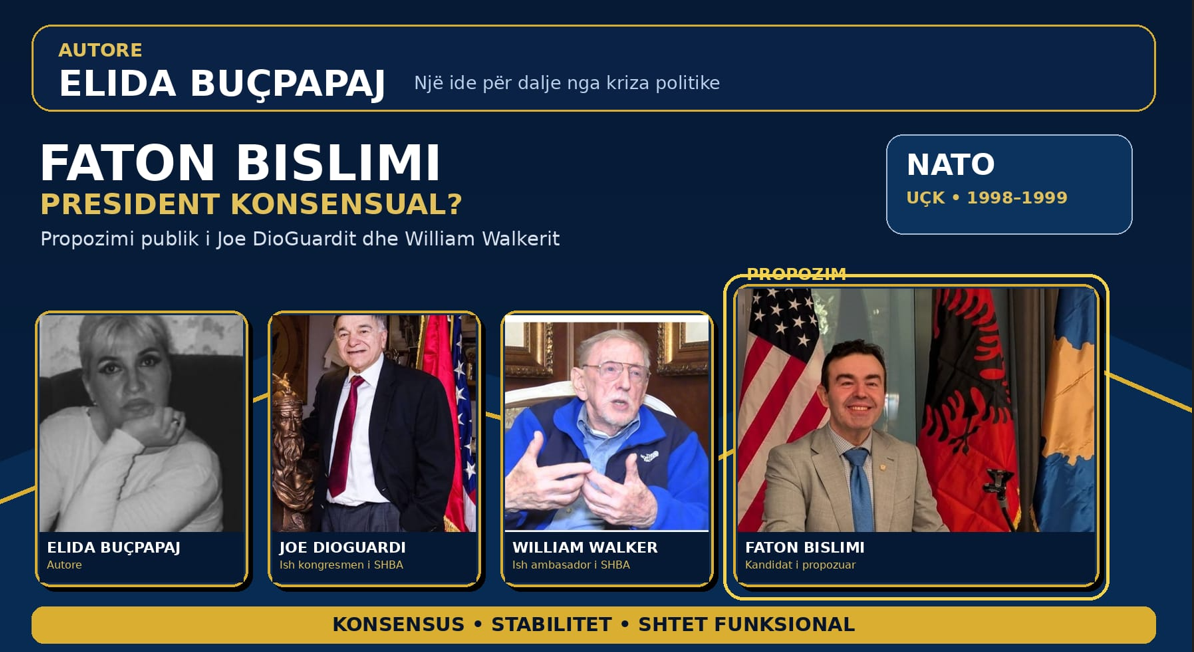
Pse Faton Bislimi mund të jetë një mundësi alternative për një President konsensual
Kosova ka kaluar shumë prova në historinë e saj të re. Ka njohur shtypjen, rezistencën, luftën, ndërhyrjen ndërkombëtare, çlirimin, shpalljen e pavarësisë dhe përpjekjen e vazhdueshme për të ndërtuar një shtet demokratik e funksional.
Në secilën prej këtyre etapave, ajo ka pasur nevojë për njerëz që dinë të shohin përtej momentit politik dhe të kuptojnë një të vërtetë themelore: shteti është më i madh se çdo parti, grup apo interes i ditës.
Sot Kosova ndodhet sërish përballë një prej atyre momenteve kur politika duhet të dëshmojë pjekurinë e saj. Jo vetëm duke numëruar votat, por duke kërkuar atë që mund të bashkojë. Jo duke pyetur se kujt i përket një emër, por se kujt mund t’i shërbejë ai emër. Jo duke e parë institucionin si vazhdim të betejës partiake, por si një hapësirë ku Republika duhet të jetë më e madhe se të gjitha palët.
Në këtë kontekst, propozimi i William Walkerit dhe Joseph DioGuardit për Faton Bislimin si një mundësi për President konsensual meriton të dëgjohet.
Unë mendoj si Walker dhe DioGuardi se Faton Bislimi është një mundësi alternative që meriton të shqyrtohet seriozisht.
Jo sepse është kandidati i vetëm i mundshëm. As sepse një propozim që vjen nga dy miq të Kosovës duhet pranuar si urdhër. Republika e Kosovës ka institucionet e veta dhe vendimi duhet të merret në Kosovë.
Por një demokraci që e respekton veten nuk i mbyll dyert para një ideje vetëm pse ajo shfaqet në një moment të vështirë politik. Ajo e dëgjon, e peshon dhe pastaj vendos.
Dhe kur kjo ide vjen nga dy njerëz që e kanë njohur Kosovën në ditët e saj më të vështira, ajo meriton të dëgjohet.
Nga qëndresa te përgjegjësia
Në historinë shqiptare, figura të ndryshme kanë mbetur të rëndësishme jo vetëm për atë që kanë bërë në kohën e tyre, por për vlerat që përfaqësojnë edhe sot.
Gjergj Kastrioti – Skënderbeu është kujtesë e qëndresës.
UÇK-ja është kujtesë e sakrificës për lirinë.
Anton Çeta është kujtesë e pajtimit.
Ibrahim Rugova është kujtesë e paqes dhe dialogut.
At Mark Sopi është kujtesë e ndërgjegjes, përgjegjësisë dhe bashkëjetesës.
Nënë Tereza është kujtesë e humanizmit.
Këto figura dhe këto momente u përkasin periudhave të ndryshme dhe nuk mund të vendosen artificialisht në të njëjtën vijë politike. Por prej secilës mund të nxjerrim një mësim për Kosovën e sotme.
Dhe mbase mësimi më i rëndësishëm është ky: një shoqëri bëhet më e fortë kur arrin të bashkojë atë që është e ndryshme rreth një interesi më të madh se vetja.
Skënderbeu na kujton qëndresën përballë rrezikut.
UÇK-ja na kujton çmimin e lirisë.
Por një shtet nuk ndërtohet vetëm me qëndresë dhe sakrificë. Pas luftës vjen detyra edhe më e vështirë: të ndërtosh paqe, institucione dhe një kulturë politike ku kundërshtari nuk trajtohet si armik.
Pikërisht këtu bëhet i rëndësishëm Anton Çeta.
Mësimi i Anton Çetës
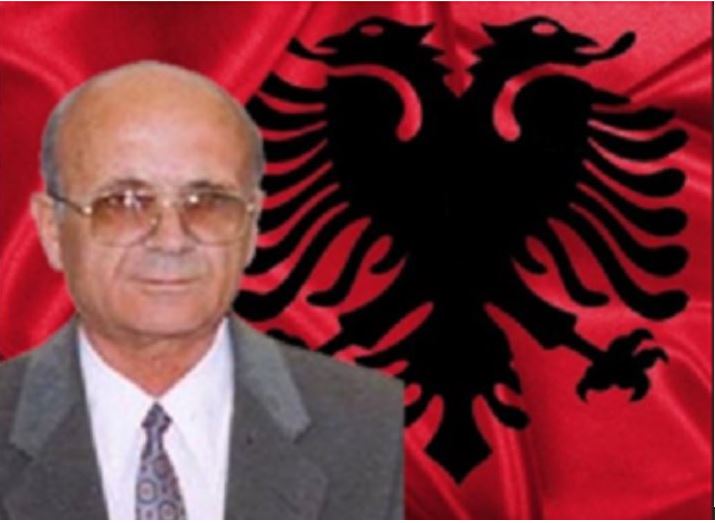
Në vitet e nëntëdhjeta, kur Kosova jetonte nën një regjim shtypës dhe kur plagët brenda shoqërisë rrezikonin të prodhonin plagë të reja, Anton Çeta zgjodhi rrugën e pajtimit.
Ai nuk e pa pajtimin si dobësi.
E pa si forcë.
Nuk u kërkoi njerëzve të harronin dhimbjen, por t’i jepnin asaj një fund që të mos prodhonte dhimbje të re.
Pajtimi ishte një akt i guximshëm qytetar. Ishte dëshmi se një shoqëri mund të vendosë të mos mbetet peng i së kaluarës.
Sot, kur flasim për konsensus politik, ky mësim është më aktual se kurrë.
Pajtimi nuk është vetëm kapitull i së kaluarës. Është kulturë politike.
Konsensusi, po ashtu, nuk do të thotë që të gjithë mendojnë njësoj. Do të thotë që, edhe kur mendojmë ndryshe, dimë të gjejmë një qëllim më të madh se vetja.
Rugova dhe politika e dialogut
Në këtë kujtesë zë një vend të veçantë edhe Ibrahim Rugova.
Rugova e ndërtoi një pjesë të madhe të filozofisë së tij politike mbi rezistencën paqësore, dialogun dhe orientimin e Kosovës drejt botës demokratike.
Ai e kuptonte rëndësinë e aleatëve. Por e kuptonte edhe se Kosova duhej t’i dëshmonte botës se ishte e aftë të ndërtonte një shoqëri demokratike, tolerante dhe të respektueshme.
Për Rugovën, politika nuk ishte vetëm luftë për pushtet. Ishte edhe përpjekje për të krijuar një kulturë të re politike.
Një kulturë ku kundërshtari nuk duhej domosdoshmërisht të shndërrohej në armik.
Ku dialogu nuk ishte kapitullim.
Ku paqja nuk ishte dobësi.
Kjo trashëgimi politike është veçanërisht e rëndësishme sot, kur debati publik shpesh reduktohet në pyetjen se kush fitoi dhe kush humbi.
Një Republikë nuk ndërtohet vetëm mbi fitoret e njërës palë.
Ajo ndërtohet mbi aftësinë për të jetuar së bashku edhe pas betejës politike.
At Mark Sopi dhe dimensioni i ndërgjegjes
Pikërisht në këtë dimension lidhet natyrshëm edhe kujtimi i Imzot Mark Sopit.
Mark Sopi ishte një figurë e rëndësishme morale e Kosovës. Ai i dha jetës publike një dimension që shpesh mungon në politikë: dimensionin e ndërgjegjes.
Marrëdhënia e tij me Ibrahim Rugovën dhe bashkëpunimi i tyre në rrethana të vështira dëshmonin se njerëzit me role dhe bindje të ndryshme mund të gjejnë gjuhë të përbashkët kur përballë tyre qëndron një interes më i madh shoqëror.
Në vitin 2005, kur Rugova dhe Mark Sopi vendosën gurthemelin e Katedrales “Nënë Tereza”, simbolika e atij akti shkonte përtej një godine.
Ishte një shenjë e një Kosove që donte të ndërtonte të ardhmen mbi tolerancën, mirëkuptimin dhe bashkëjetesën.
Dhe kjo është arsyeja pse Mark Sopi nuk duhet të kujtohet vetëm në ditë përkujtimore. Ai duhet të kujtohet edhe kur flasim për mënyrën se si duam ta ndërtojmë Republikën.
Nënë Tereza dhe humanizmi
Kjo frymë na çon natyrshëm te një tjetër figurë që e tejkalon çdo ndarje politike: Shën Nënë Tereza.
Nënë Tereza nuk është thjesht një emër shqiptar me famë botërore. Ajo është një nga simbolet më të fuqishme të humanizmit shqiptar në botë.
Mesazhi i saj ishte njerëzor para se të ishte politik: t’i shërbesh njeriut, t’i qëndrosh pranë atij që ka nevojë dhe ta ruash dinjitetin njerëzor edhe në rrethanat më të vështira.
Nëse Kosova dëshiron të ndërtojë një shtet demokratik, atëherë humanizmi nuk mund të jetë vetëm një fjalë ceremoniale. Duhet të jetë pjesë e kulturës së saj institucionale.
Sepse në fund të fundit, shteti ekziston për njeriun.
Walker, DioGuardi dhe një emër për t’u shqyrtuar
Në këtë kontekst duhet parë edhe propozimi për Faton Bislimin.
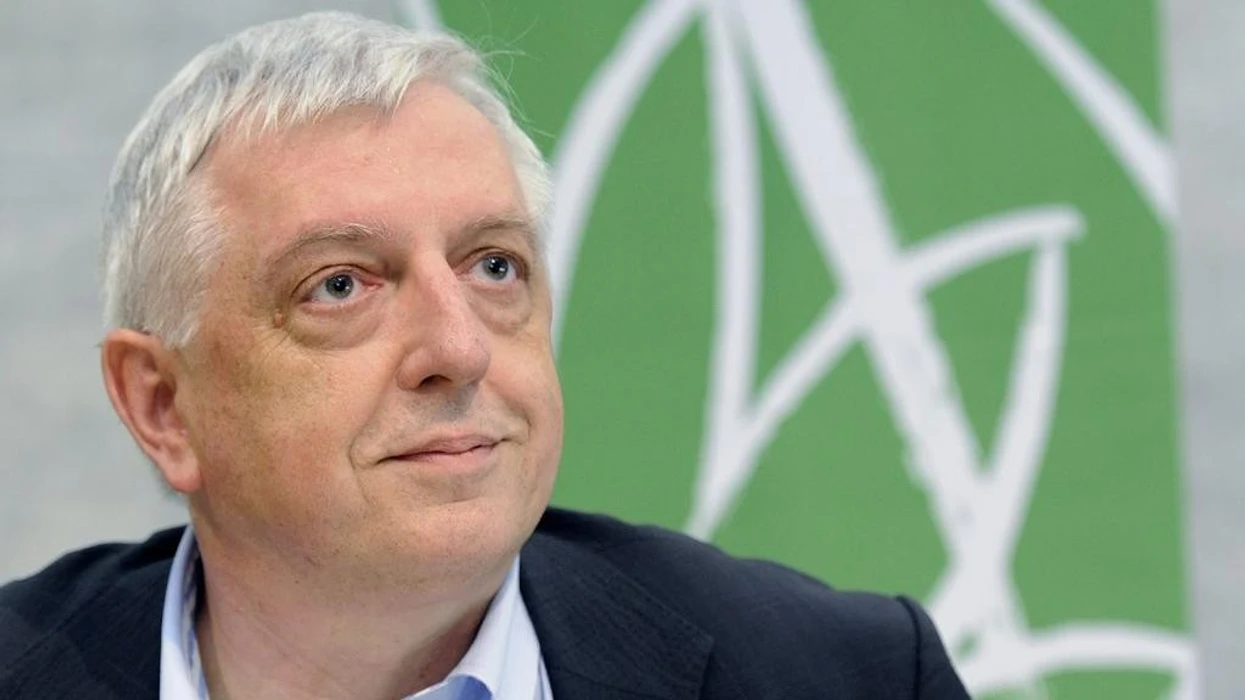
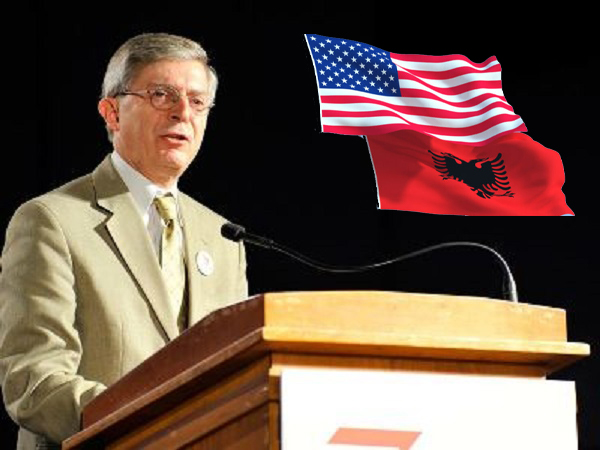
William Walker nuk është thjesht një emër në historinë diplomatike të Kosovës. Ai është dëshmitar i një prej kapitujve më tragjikë të historisë së saj moderne. E njohu Kosovën në kohën kur fjala e saj ende duhej të dëgjohej në botë dhe kur krimet që po ndodhnin këtu rrezikonin të mbeteshin nën heshtjen e politikës ndërkombëtare.
Ai pa dhe foli.
Për një popull që luftonte për të mos mbetur i harruar, kjo kishte peshë të jashtëzakonshme.
Sot, pas kaq vitesh, Walker kthehet përsëri me një mendim për Kosovën. Këtë herë nuk flet për luftën, por për një nevojë institucionale; jo për konfliktin, por për një figurë që mund të shërbejë si urë; jo për atë që na ndan, por për atë që mund të krijojë një pikë të përbashkët.
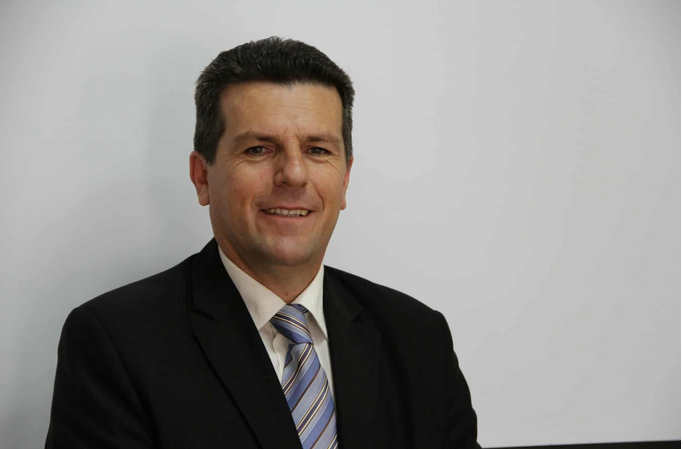
Ai ka propozuar Faton Bislimin për President.
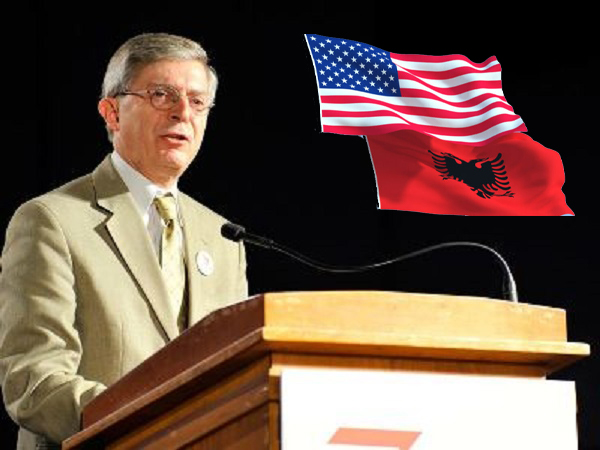
Në krah të tij qëndron Joseph DioGuardi, një tjetër mik i kahershëm i Kosovës dhe një prej zërave amerikanë që për dekada ka punuar që çështja e shqiptarëve të Kosovës të dëgjohej në Washington.
DioGuardi e njeh Bislimin prej më shumë se dy dekadash. Kjo e bën propozimin e tij më shumë se një deklaratë të rastit: është një vlerësim që buron nga një njohje e gjatë.
Por edhe këtu duhet të ruajmë një parim të rëndësishëm.
Faton Bislimi nuk duhet të shihet si “kandidati amerikan”.
As si “kandidati i Walkerit”.
As si “kandidati i DioGuardit”.
Nëse një ditë do të bëhej President, ai do të mund të ishte vetëm President i Republikës së Kosovës.
Miqtë mund të tregojnë një rrugë.
Por rrugën duhet ta zgjedhë vetë Kosova.
Pse një alternativë meriton të dëgjohet
Nuk po them se Faton Bislimi është kandidati i vetëm i mundshëm.
As se duhet të jetë patjetër Presidenti i ardhshëm i Kosovës.
Po them diçka më të thjeshtë dhe, besoj, më të arsyeshme:
Faton Bislimi është një mundësi alternative që meriton të shqyrtohet seriozisht.
Në politikë, sidomos në momente të vështira, alternativa është vlerë.
Një shoqëri që nuk ka alternativa rrezikon të mbetet peng i ndarjeve të veta.
Një Republikë që kërkon konsensus duhet të jetë në gjendje të shohë edhe përtej emrave të zakonshëm, përtej llogarive të ditës dhe përtej pyetjes se cili krah politik do të dalë fitues.
Presidenti nuk është çmim i një partie.
Presidenti është institucion i Republikës.
Dhe një President konsensual duhet të jetë në gjendje të hyjë në një sallë ku janë të pranishëm njerëz që nuk pajtohen me të dhe të dalë prej saj pa e humbur respektin për ta.
Kjo është një nga sfidat më të mëdha të një Presidenti.
Jo t’i bindë të gjithë.
Por të jetë i respektueshëm edhe për ata që nuk e kanë mbështetur.
Një test për kulturën politike
Kandidatura e Faton Bislimit mund të shërbejë edhe si një test i kulturës sonë politike.
A jemi në gjendje ta shqyrtojmë një alternativë pa e parë menjëherë si kërcënim?
A mund të dëgjojmë një emër që nuk është domosdoshmërisht zgjedhja e parë e secilit?
A mund të kërkojmë një figurë që nuk bashkon vetëm një shumicë, por krijon një hapësirë më të gjerë mirëkuptimi?
Këto janë pyetje që duhet t’i bëjë politika kosovare.
Sepse Presidenti i Kosovës nuk duhet të jetë vetëm President i atyre që e kanë votuar.
Ai duhet të jetë edhe President i atyre që nuk e kanë votuar.
Këtu qëndron dallimi mes një kandidature partiake dhe një kandidature që synon konsensusin.
Nëse ekziston një kandidat më i mirë, le të dalë përpara.
Nëse ekziston një figurë tjetër që mund të bashkojë më shumë, le të dëgjohet.
Por le të mos e mbyllim derën para se ta kemi dëgjuar argumentin.
Kosova ka nevojë për një frymë
Ndoshta kjo është ajo që na mungon më shumë sot: jo një emër i përkryer, por një frymë politike.
Një frymë që e njeh vlerën e aleatit, por ruan dinjitetin e vendimmarrjes së vet.
Një frymë që e respekton të kaluarën, por nuk mbetet peng i saj.
Një frymë që e kujton Skënderbeun për qëndresën, UÇK-në për sakrificën për lirinë, Anton Çetën për pajtimin, Nënë Terezën për humanizmin, Rugovën për paqen dhe dialogun dhe At Mark Sopinë për përgjegjësinë morale e bashkëjetesën.
Dhe një frymë që i sheh miqtë amerikanë të Kosovës me mirënjohje, por jo si zëvendësim të vullnetit dhe institucioneve të Republikës.
Sepse ky është edhe kuptimi i një shteti të pjekur: të dëgjojë miqtë, të respektojë aleatët dhe, në fund, të vendosë vetë.
Sot Kosova ka nevojë pikërisht për këtë.
Përtej partive.
Përtej kampeve.
Përtej interesave të momentit.
Përtej pyetjes se kush fiton.
Sepse shteti nuk duhet të jetë fitorja e askujt mbi askënd.
Shteti duhet të jetë fitorja e të gjithëve.
Nëse Faton Bislimi mund të jetë njëra prej mundësive për ta afruar Kosovën me këtë ide, atëherë propozimi i William Walkerit dhe Joseph DioGuardit meriton të dëgjohet.
Me qetësi.
Me respekt.
Pa imponim.
Dhe mbi të gjitha, me bindjen se Presidenti i Republikës duhet të jetë, para së gjithash, President i Republikës së Kosovës.
Prishtinë,05.10.2026




Komentet