A critical analysis of the normalization of verbal aggression and baseless slander as symptoms of democratic and ideological crisis Introduction Public debate and political discourse are central components of democratic functioning, as they provide spaces for the exchange of ideas and rational arguments (Habermas, 1989).
However, in Kosovo’s current societal reality, these spaces often degrade into verbal aggression, baseless slander, and conflictual rhetoric aimed at discrediting political and social opponents. This phenomenon is not merely stylistic; it reflects a social and democratic crisis, in which rational dialogue is replaced by continuous aggression and symbolic manipulation.
1. Verbal Violence – Conceptualization and Psychological Consequences Verbal violence involves the use of language to insult, demean, or belittle individuals or groups.² It does not leave physical wounds but exerts profound psychological and symbolic influence, undermining self-esteem and emotional well-being. Research indicates that repeated exposure to aggressive language is associated with chronic stress, reduced self-confidence, and feelings of inferiority, with potentially long-term effects.³
2. The Spectacularization of Television Debates and the Normalization of Aggression Political TV debates, although designed as platforms for rational dialogue, often become arenas of spectacular conflict.⁴ Typical characteristics include frequent interruptions, the use of contemptuous rhetoric, and a focus on personal polemics instead of substantive arguments. Sociological accounts of societies that turn conflict into “content” have been discussed in classical literature on media spectacularization.⁵ This type of communication generates an environment where mental fatigue, emotional tension, and distorted perceptions of political reality occur.⁶
3. Slander and Baseless Information Slander and unsupported statements constitute some of the most dangerous forms of verbal violence, damaging not only the reputations of individuals but also public trust in communication and institutions.
These include:
• unverified claims about individuals or groups;
• rumors presented as factual;
• insinuations lacking evidence.
This poses a serious problem for the quality and functioning of democracy.
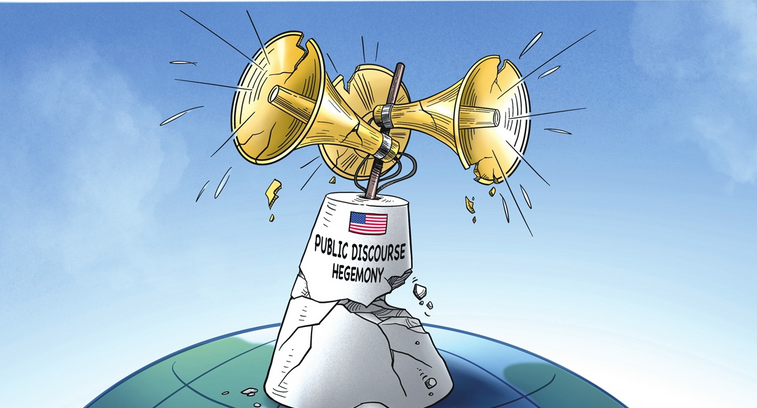
3a. Slander Against International Partners Beyond domestic political debate, a concerning phenomenon is slander directed at international partners, especially the United States.
Such slander often:
• aims to discredit international support;
• fosters public mistrust toward pro-Western foreign policies;
• strengthens populist anti-Western narratives that fuel social polarization.
In a country like Kosovo, where international support is vital for development and security, these practices have significant consequences for democratic capacity.
3b. Former LKJ Officials and Pro-Russian Nostalgia In the post-communist period, certain political figures and opinion leaders with origins in the League of Communists of Yugoslavia (LKJ) continue to disseminate pro-Russian nostalgic narratives through rhetoric and anti-American slander.
These narratives:
• promote ideological perspectives opposing pro-Western alignment;
• deepen divisions between citizens supporting Euro-Atlantic integration and those remaining skeptical of Western policies. Political debate, as a battleground for ideological confrontation rather than rational argument, contributes to the deterioration of democratic and social cohesion.
4. The Normalization of Verbal Aggression and Slander – A Societal Crisis When verbal aggression and baseless slander are repeatedly used in public discourse, they become perceived as normal elements of political communication, undermining ethical standards and social norms.
This normalization manifests systemically:
• reduces tolerance for conflict;
• contributes to social fragmentation and ideological polarization;
• weakens public trust in institutions and rational discourse;
• fuels anti-Western narratives in foreign policy.
As Thomas Paine stated: *“Man is not the enemy of man, but becomes so through a corrupt system of governance.”*⁷
This emphasizes that verbal aggression and slander stem from communication and political structures that promote them, rather than human nature itself.
5. Implications for Democracy and Foreign Policy
When public discourse is dominated by aggressive rhetoric and baseless slander:
• citizens lose trust in democratic institutions;
• populist and polarizing narratives are reinforced;
• pro-Western orientation and foreign policy lose legitimacy in the eyes of some parts of the public.
These consequences represent serious challenges for Kosovo’s democratic development, particularly given its Euro-Atlantic integration aspirations.
Conclusion and Recommendations Analysis shows that verbal violence, baseless slander, and ideological anti-Western rhetoric have become everyday elements of public discourse in Kosovo.
These phenomena indicate a democratic and ideological crisis requiring clear institutional and cultural intervention to restore constructive public debate.
Key recommendations include:
1. Media literacy and communicative ethics education in schools and professional training;
2. Professional standards for moderators and media institutions to prevent aggressive discourse;
3. Mechanisms for sanctions against slander and hate speech;
4. Promotion of dialogue culture and rational argumentation in public debates.
These measures are essential to regenerate a culture of debate that fosters cooperation, understanding, and functional democracy.
References: Anderson, C. A., & Bushman, B. J. (2002). The effects of media violence on society. Science, 295(5564), 2377–2379. Cohen, S., & Wills, T. A. (1985). Stress, social support, and the buffering hypothesis. Psychological Bulletin, 98(2), 310–357. Debord, G. (1977). The society of the spectacle. Black & Red. Gergen, K. J. (1994). Realities and relationships: Soundings in social construction. Harvard University Press. Habermas, J. (1989). The structural transformation of the public sphere: An inquiry into a category of bourgeois society (T. Burger & F. Lawrence, Trans.). MIT Press. Paine, T. (n.d.). Quotation used in text. Taylor, S. E., Fiske, S. T., et al. (2009). Social cognition. Psychology Press. Thompson, J. B. (1995). The media and modernity: A social theory of the media. Stanford University Press.
The Land of Leka; 16.03.2026

 KARAFILAT QË PËRQAFOJNË “KARIATIDET ”… Kujtime DR. EDUARD A. SKUFI
 Urime për postin e Presidentes, Justinë, çika shtatselvi e Simon Shirokës! Nga Çun Lajçi
 SKIFTER NË SHKREPA- Nga ARIF EJUPI
 KUR RIVALITETI POLITIK I LË VEND INTERESIT TË PËRGJITHSHËM- Nga ARIF EJUPI
 Prokuroria e akuzon Thaçin se ka gënjyer për historinë e UÇK-së – Thaçi duket se u kundërgodit nga intrigat e tij Nga Idriz Morina
 Albin Kurti & opozita duhet të bien dakord për Faton Bislimin, kandidatin për president konsensual propozuar nga kongresmeni JoeDioGuardi & ambasadori Walker Nga Elida Buçpapaj
 Shqipëria në planin rajonal për rikthimin e pyjeve, në fokus Alpet dhe pellgu i Drinit
 Kendi i humorit: I kërkon partnerit të bëjnë përsëri dashuri
 U miratua me 85 vota pro ndarja e re administrative, Shqipëria me 15 bashki më pak, si do funksionojnë! Ekspertët skeptikë: Nuk garanton shërbime për qytetarët
 UGSHPD: TAULANTIT I SHKET GJUHA-Ne jemi palë
 KOSOVA ZGJODHI PRESIDENTEN – TANI DUHET TË ZGJEDHË RRUGËN- Nga Frank Shkreli
 Kosovë, ktheja emrin e vet Kosovës, Dardani- Poezi nga ATDHE GECI