Nga Kanjizha te Leipzig/Halle: gjurmët e një rrjeti që po hetohet në disa vende evropiane
Në veri të Serbisë, pranë kufirit me Hungarinë, një hetim që nisi pas gjetjes së eksplozivit në prill ka zbuluar një grup prej shtatë personash, për të cilët Prokuroria e Lartë Publike në Suboticë thotë se dyshohet se siguronin dhe magazinonin në territorin serb eksplozivë, mjete shpërthyese dhe dronë, të cilët më pas dërgoheshin drejt vendeve të Bashkimit Evropian, në lokacione të parapërcaktuara.[1]
Njoftimi i Prokurorisë së Lartë Publike në Suboticë, i bërë publik më 31 gusht, është një prej elementeve më konkrete të këtij hetimi. Sipas prokurorisë, gjatë punës së përbashkët të Agjencisë për Siguri dhe Informacion (BIA), Agjencisë së Sigurisë Ushtarake (VBA), Drejtorisë së Policisë Kriminale dhe Policisë Ushtarake, u zbulua një grup i organizuar që siguronte dhe magazinonte në Serbi eksplozivë, mjete shpërthyese dhe dronë, të cilët më pas transportoheshin drejt vendeve të Bashkimit Evropian, në lokacione të planifikuara dhe të dakordësuara paraprakisht.[1]
Hetimi lidhet me zbulimin e eksplozivit më 5 prill në territorin e komunës së Kanjizhës, pranë gazsjellësit që lidh Serbinë me Hungarinë. Sipas prokurorisë, ndjekja e aktivitetit të grupit çoi në gjetjen e eksplozivëve, mjeteve shpërthyese, dronëve dhe pajisjeve të tjera të nevojshme për përdorimin e tyre.[1]
Kështu, në territorin e Serbisë po hetohet një aktivitet që, sipas prokurorisë, përfshinte sigurimin, magazinimin dhe transportin e materialeve shpërthyese drejt vendeve të BE-së.
Dhe pikërisht kjo hallkë e hetimit serb është bërë pjesë e një hetimi shumë më të gjerë në Gjermani.
Nga Serbia në Leipzig
Më 11 qershor, autoritetet serbe ndaluan dy persona pranë kufirit me Hungarinë: Danilo B. dhe Slobodan D.
Sipas raportimit të Der Spiegel, të cituar nga ZDF, në automjetet e tyre u gjetën pjesë të një droni të modifikuar, sisteme kontrolli dhe eksploziv.[2]
Materialet e sekuestruara morën rëndësi të veçantë pas ngjarjeve në Gjermani.
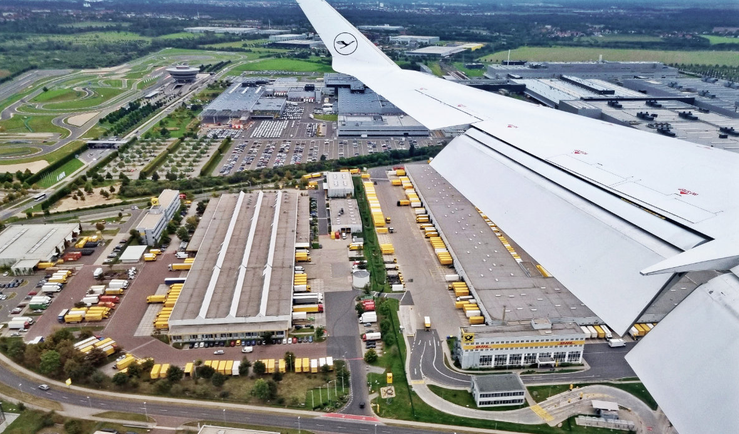
Më 4 gusht, në Aeroportin Leipzig/Halle u gjet një dron me një mjet shpërthyes pranë avionëve ukrainas të transportit.
Sipas ZDF, autoritetet gjermane po shqyrtojnë nëse eksplozivi dhe pjesët e dronëve të sekuestruara në Serbi lidhen me tentativën për sulm në Leipzig/Halle.[2]
ZDF, duke iu referuar Der Spiegel, raportoi gjithashtu se hetuesit po verifikojnë kontakte të mundshme mes dy personave të arrestuar në Serbi dhe një personi që shfaqet edhe në hetimin për rastin e Leipzigut.[2]
Kështu, lidhja mes Serbisë dhe Leipzigut është bërë pjesë konkrete e hetimit gjerman.
Gjurmët që çuan te të dyshuarit
Hetimi gjerman është mbështetur edhe në prova teknike dhe biologjike.
Sipas hulumtimit të përbashkët të WDR, NDR dhe Süddeutsche Zeitung, hetuesit kanë analizuar gjurmë ADN-je të gjetura në materialet e lidhura me incidentin në Leipzig.[3]
Këto gjurmë, së bashku me të dhënat e shërbimeve të sigurisë, kanë ndihmuar në identifikimin e personave të dyshuar.[3]
Më 2 shtator, WDR, NDR dhe Süddeutsche Zeitung raportuan se Qeveria gjermane e konsideronte Rusinë përgjegjëse për tentativën e sulmit në Leipzig/Halle. Ministri i Brendshëm gjerman, Alexander Dobrindt, tha se të dhënat e autoriteteve tregonin për persona që kishin vepruar në emër të strukturave shtetërore ruse.[3]
Moska i ka mohuar akuzat.[3]
Oleg L. dhe gjurma e GRU-së
Më 15 shtator, WDR, NDR dhe Süddeutsche Zeitung publikuan të dhëna të tjera nga hetimi.
Sipas këtyre mediave, hetuesit gjermanë e konsiderojnë shtetasin rus Oleg L. një prej të dyshuarve në rastin e Leipzigut. Hulumtimi, i bazuar në të dhëna të autoriteteve të sigurisë dhe dokumente konfidenciale, raportoi se Oleg L. kishte prej vitesh kontakte me një specialist rus të operacioneve të sabotazhit në Moskë.[4]
Sipas të njëjtit raportim, personi në fjalë lidhet me strukturat e inteligjencës ushtarake ruse, GRU.[4]
Hetimi po përqendrohet kështu jo vetëm te personat që dyshohet se kanë kryer veprimet në terren, por edhe te organizimi dhe logjistika e operacionit.
Roli i dyshuar i Oleg L.
Welt am Sonntag raportoi më 13–14 shtator se dokumentet konfidenciale të hetimit gjerman çonin te dy të dyshuar kryesorë: shtetasi rus Oleg L. dhe shtetasi bjellorus Andrei K.[5]
Sipas gazetës, Oleg L. dyshohet se kishte organizuar logjistikën e operacionit dhe kishte udhëzuar Andrei K.[5]
Ky i fundit përshkruhet në raportim si “Wegwerfagent” — një person i rekrutuar për një operacion të caktuar dhe i përdorur si hallkë e zëvendësueshme.[5]
Sipas Welt am Sonntag, Oleg L. kishte udhëtuar nga Gjermania drejt Serbisë dhe më pas drejt Rusisë.[5]
Ky informacion e bën Serbinë pjesë të rëndësishme të itinerarit të hetimit gjerman.
Serbia si nyje logjistike
Në këtë pikë bashkohen dy linja të hetimit.
Në Serbi, prokuroria thotë se një grup prej shtatë personash siguronte dhe magazinonte eksplozivë, mjete shpërthyese dhe dronë dhe i dërgonte drejt vendeve të BE-së.[1]
Në Gjermani, hetuesit po shqyrtojnë nëse materialet e sekuestruara në Serbi dhe personat e arrestuar atje lidhen me operacionin e Leipzigut.[2]
Ndërkohë, një prej të dyshuarve kryesorë në rastin gjerman, sipas Welt am Sonntag, ka kaluar nga Gjermania në Serbi përpara se të udhëtonte drejt Rusisë.[5]
Këto të dhëna e kanë bërë Serbinë një pikë të rëndësishme në hetimin ndërkombëtar.
Nuk bëhet fjalë për një provë se institucionet shtetërore serbe kanë organizuar ose mbështetur operacionin. Por bëhet fjalë për një fakt të konfirmuar nga prokuroria serbe: territori i Serbisë është përdorur, sipas hetimit, për sigurimin dhe magazinimin e materialeve që dyshohet se ishin destinuar për transport drejt vendeve të BE-së.[1]
Një korridor drejt BE-së
Rëndësia e hetimit të Suboticës qëndron pikërisht këtu.
Prokuroria serbe nuk flet për materiale që do të qëndronin në Serbi. Ajo thotë se eksplozivët, mjetet shpërthyese dhe dronët transportoheshin drejt vendeve të Bashkimit Evropian, në vende të parapërcaktuara dhe të dakordësuara.[1]
Skema e përshkruar nga prokuroria është e qartë:
sigurim i materialeve → magazinim në Serbi → transport drejt BE-së → destinacion i paracaktuar.
Kur kjo vendoset përkrah hetimit gjerman, Serbia shfaqet si një pikë e rëndësishme në rrugën e materialeve dhe personave të dyshuar për operacione sabotazhi në Evropë.
ZDF e ka ngritur pikërisht këtë çështje në raportimin e saj mbi gjurmën që hetimi i Leipzigut po ndjek drejt Serbisë.[2]
Nga sabotazhi te lufta hibride
Rasti i Leipzigut është vendosur nga autoritetet gjermane në kontekstin e kërcënimeve hibride që i atribuohen Rusisë.
Në këtë kuadër, “lufta hibride” nuk nënkupton një përplasje të drejtpërdrejtë ushtarake, por përdorimin e metodave të ndryshme — sabotazh, spiunazh, operacione kibernetike, ndikim informativ dhe rekrutim të individëve — për të dëmtuar ose destabilizuar kundërshtarin.
Në rastin e Leipzigut, objektivi i dyshuar ishte veçanërisht domethënës: një avion ukrainas transporti në një aeroport gjerman.[3]
Nëse një operacion i tillë organizohet përmes individëve të rekrutuar, ndërmjetësve dhe kanaleve të fshehta të logjistikës, distanca ndërmjet urdhëruesit dhe personit që kryen veprimin në terren bëhet shumë më e madhe.
Pikërisht në këtë kontekst duhet kuptuar edhe termi “agjent njëpërdorimësh”, i përdorur nga Welt am Sonntag për një prej të dyshuarve.[5]
Nga Kanjizha te Leipzig/Halle
Kronologjia e ngjarjeve tregon se si janë bashkuar gradualisht dy hetime që nisën në vende të ndryshme.
Më 5 prill, në Kanjizha gjendet eksploziv pranë infrastrukturës së gazit.[1]
Më 11 qershor, autoritetet serbe arrestojnë Danilo B. dhe Slobodan D. pranë kufirit me Hungarinë dhe, sipas raportimeve gjermane, në automjetet e tyre gjenden pjesë droni, pajisje kontrolli dhe eksploziv.[2]
Më 4 gusht, në Aeroportin Leipzig/Halle gjendet një dron me mjet shpërthyes pranë avionëve ukrainas të transportit.[3]
Më 31 gusht, Prokuroria e Suboticës konfirmon zyrtarisht hetimin ndaj shtatë personave dhe thotë se grupi siguronte, magazinonte dhe dërgonte eksplozivë, mjete shpërthyese dhe dronë drejt vendeve të BE-së.[1]
Më 2 shtator, WDR, NDR dhe Süddeutsche Zeitung raportojnë për përgjegjësinë që autoritetet gjermane i atribuojnë Rusisë në rastin e Leipzigut.[3]
Më 3 shtator, ZDF raporton se hetuesit po shqyrtojnë nëse materialet e sekuestruara në Serbi lidhen me rastin e Leipzigut.[2]
Në mesin e shtatorit, raportimet e Welt am Sonntag dhe hulumtimet e WDR/NDR/Süddeutsche Zeitung e çojnë hetimin te Oleg L. dhe te lidhjet e dyshuara me GRU-në.[4][5]
Rusia, Serbia dhe rruga e eksplozivëve
Në këtë histori, Rusia dhe Serbia shfaqen në role të ndryshme.
Për Rusinë, autoritetet gjermane kanë deklaruar se e konsiderojnë Moskën përgjegjëse për tentativën e sulmit në Leipzig/Halle.[3]
Për Serbinë, ekziston një hetim zyrtar që dokumenton një grup të dyshuar për sigurimin, magazinimin dhe transportin e eksplozivëve, mjeteve shpërthyese dhe dronëve drejt vendeve të BE-së.[1]
Ndërmjet këtyre dy linjave qëndron hetimi gjerman: lidhjet e mundshme mes personave të arrestuar në Serbi, materialeve të sekuestruara atje dhe rrjetit të dyshuar pas operacionit të Leipzigut.[2]
Kjo e ka bërë Serbinë pjesë të hartës së hetimit gjerman.
Nëse hetimet e mëtejshme konfirmojnë se materialet e sekuestruara në Serbi janë përdorur ose ishin destinuar për operacione të lidhura me strukturat ruse, rëndësia e Serbisë në këtë histori do të bëhet edhe më e madhe.
Por një fakt tashmë është zyrtar: në territorin e Serbisë është zbuluar një grup që, sipas Prokurorisë së Lartë Publike në Suboticë, siguronte dhe magazinonte eksplozivë, mjete shpërthyese dhe dronë dhe i dërgonte drejt vendeve të Bashkimit Evropian.[1]
Kur ky fakt vendoset përkrah hetimit gjerman për Leipzig/Halle dhe raportimeve të ZDF, Der Spiegel, WDR/NDR/Süddeutsche Zeitung dhe Welt am Sonntag, rruga Serbi–BE bëhet një nga gjurmët më të rëndësishme për t’u ndjekur në hetimin e rrjeteve të dyshuara ruse të sabotazhit në Evropë.
Fusnotat,
[1] Prokuroria e Lartë Publike në Suboticë, njoftim i 31 gushtit 2026, i publikuar nga RTS: hetimi ndaj shtatë personave për sigurimin, magazinimin dhe transportimin e eksplozivëve, mjeteve shpërthyese dhe dronëve drejt vendeve të BE-së. RTS – Prokuroria e Lartë Publike në Suboticë
[2] ZDFheute, “Anschlagsversuch in Leipzig: Führt eine Spur nach Serbien?”, 3 shtator 2026. Raportimi mbi lidhjen që po shqyrtojnë autoritetet gjermane mes materialeve të sekuestruara në Serbi dhe rastit Leipzig/Halle, duke iu referuar edhe Der Spiegel. ZDFheute – Leipzig dhe gjurma drejt Serbisë
[3] WDR/NDR/Süddeutsche Zeitung, përmes Tagesschau, raportimi i 2 shtatorit 2026 mbi hetimin për dronin në Leipzig, identifikimin e të dyshuarve, gjurmët e ADN-së dhe deklarimin e Qeverisë gjermane për përgjegjësinë e Rusisë. Tagesschau – Hetimi për dronin në Leipzig
[4] WDR/NDR/Süddeutsche Zeitung, përmes Tagesschau, 15 shtator 2026, mbi Oleg L., kontaktet e tij të dyshuara me një specialist rus të sabotazhit dhe lidhjet e raportuara me GRU-në. Tagesschau – I dyshuari dhe lidhja e raportuar me GRU-në
[5] Welt am Sonntag, raportimet e shtatorit 2026 mbi Oleg L. dhe Andrei K., rolin e dyshuar logjistik të Oleg L., itinerarin përmes Serbisë dhe përdorimin e termit “Wegwerfagent”. WELT – Hetimi për agjentët rusë pas incidentit në Leipzig
Prishtinë,01.10.2026
—
Russia, Serbia and the Route of Explosives to the EU
Isuf B.Bajrami
From Kanjiža to Leipzig/Halle: traces of a network being investigated in several European countries
In northern Serbia, near the border with Hungary, an investigation that began after explosives were discovered in April has uncovered a group of seven people who, according to the Higher Public Prosecutor’s Office in Subotica, are suspected of procuring and storing explosives, explosive devices and drones on Serbian territory, which were then transported to European Union countries, to predetermined locations.[1]
The announcement by the Higher Public Prosecutor’s Office in Subotica, made public on August 31, is one of the most concrete elements of the investigation. According to the prosecution, through the joint work of the Security Intelligence Agency (BIA), the Military Security Agency (VBA), the Criminal Police Directorate and the Military Police, an organized group was uncovered that procured and stored explosives, explosive devices and drones in Serbia, which were then transported to European Union countries, to planned and prearranged locations.[1]
The investigation is linked to the discovery of explosives on April 5 in the territory of the municipality of Kanjiža, near the gas pipeline connecting Serbia with Hungary. According to the prosecution, monitoring the group’s activities led to the discovery of explosives, explosive devices, drones and other equipment necessary for their use.[1]
Thus, Serbian authorities are investigating an activity that, according to the prosecution, involved the procurement, storage and transportation of explosive materials to EU countries.
And it is precisely this part of the Serbian investigation that has become part of a much broader investigation in Germany.
From Serbia to Leipzig
On June 11, Serbian authorities detained two people near the border with Hungary: Danilo B. and Slobodan D.
According to a report by Der Spiegel, cited by ZDF, parts of a modified drone, control systems and explosives were found in their vehicles.[2]
The seized materials acquired particular significance following events in Germany.
On August 4, a drone carrying an explosive device was found at Leipzig/Halle Airport near Ukrainian transport aircraft.
According to ZDF, German authorities are examining whether the explosives and drone components seized in Serbia are connected to the attempted attack in Leipzig/Halle.[2]
ZDF, referring to Der Spiegel, also reported that investigators are examining possible contacts between the two people arrested in Serbia and a person who also appears in the investigation into the Leipzig case.[2]
Thus, the connection between Serbia and Leipzig has become a concrete part of the German investigation.
Traces that led to the suspects
The German investigation has also relied on technical and biological evidence.
According to joint reporting by WDR, NDR and Süddeutsche Zeitung, investigators have analyzed DNA traces found on materials connected with the incident in Leipzig.[3]
These traces, together with intelligence information, helped identify the suspects.[3]
On September 2, WDR, NDR and Süddeutsche Zeitung reported that the German government considered Russia responsible for the attempted attack in Leipzig/Halle. German Interior Minister Alexander Dobrindt said that information available to the authorities pointed to individuals acting on behalf of Russian state structures.[3]
Moscow has denied the allegations.[3]
Oleg L. and the GRU trail
On September 15, WDR, NDR and Süddeutsche Zeitung published further information from the investigation.
According to these media outlets, German investigators consider Russian national Oleg L. one of the suspects in the Leipzig case. The investigation, based on information from security authorities and confidential documents, reported that Oleg L. had maintained contacts for years with a Russian specialist in sabotage operations in Moscow.[4]
According to the same report, the person in question is linked to Russia’s military intelligence structures, the GRU.[4]
The investigation is therefore focusing not only on the people suspected of carrying out the actions on the ground, but also on the organization and logistics of the operation.
Oleg L.’s alleged role
Welt am Sonntag reported on September 13–14 that confidential German investigation documents pointed to two main suspects: Russian national Oleg L. and Belarusian national Andrei K.[5]
According to the newspaper, Oleg L. is suspected of organizing the operation’s logistics and directing Andrei K.[5]
The latter is described in the report as a “Wegwerfagent” — a person recruited for a specific operation and used as a replaceable link.[5]
According to Welt am Sonntag, Oleg L. traveled from Germany to Serbia and then onward to Russia.[5]
This information makes Serbia an important part of the itinerary under investigation by German authorities.
Serbia as a logistical hub
At this point, the two lines of the investigation converge.
In Serbia, the prosecution says that a group of seven people procured and stored explosives, explosive devices and drones and sent them to EU countries.[1]
In Germany, investigators are examining whether the materials seized in Serbia and the people arrested there are connected to the Leipzig operation.[2]
Meanwhile, according to Welt am Sonntag, one of the main suspects in the German case traveled from Germany to Serbia before continuing to Russia.[5]
These facts have made Serbia an important point in the international investigation.
This does not constitute evidence that Serbian state institutions organized or supported the operation. But it is a fact confirmed by the Serbian prosecution that Serbian territory was used, according to the investigation, to procure and store materials that were allegedly intended for transportation to EU countries.[1]
A corridor to the EU
The significance of the Subotica investigation lies precisely here.
The Serbian prosecution does not refer to materials that were intended to remain in Serbia. It says that the explosives, explosive devices and drones were transported to European Union countries, to predetermined and prearranged locations.[1]
The scheme described by the prosecution is clear:
procurement of materials → storage in Serbia → transportation to the EU → predetermined destination.
When this is considered alongside the German investigation, Serbia emerges as an important point along the route of materials and people suspected of involvement in sabotage operations in Europe.
ZDF raised precisely this issue in its reporting on the trail that the Leipzig investigation is following toward Serbia.[2]
From sabotage to hybrid warfare
The Leipzig case has been placed by German authorities in the context of hybrid threats attributed to Russia.
In this context, “hybrid warfare” does not mean a direct military confrontation, but rather the use of different methods — sabotage, espionage, cyber operations, information influence and the recruitment of individuals — to damage or destabilize an adversary.
In the Leipzig case, the suspected target was particularly significant: a Ukrainian transport aircraft at a German airport.[3]
If such an operation is organized through recruited individuals, intermediaries and covert logistical channels, the distance between the organizer and the person carrying out the action on the ground becomes much greater.
It is precisely in this context that the term “Wegwerfagent”, used by Welt am Sonntag for one of the suspects, should be understood.[5]
From Kanjiža to Leipzig/Halle
The chronology of events shows how two investigations that began in different countries gradually converged.
On April 5, explosives were discovered in Kanjiža near gas infrastructure.[1]
On June 11, Serbian authorities arrested Danilo B. and Slobodan D. near the border with Hungary and, according to German reports, drone components, control equipment and explosives were found in their vehicles.[2]
On August 4, a drone carrying an explosive device was found at Leipzig/Halle Airport near Ukrainian transport aircraft.[3]
On August 31, the Subotica Higher Public Prosecutor’s Office officially confirmed the investigation into seven people and said that the group procured, stored and transported explosives, explosive devices and drones to EU countries.[1]
On September 2, WDR, NDR and Süddeutsche Zeitung reported on the responsibility that German authorities attribute to Russia in the Leipzig case.[3]
On September 3, ZDF reported that investigators were examining whether materials seized in Serbia were connected to the Leipzig case.[2]
In mid-September, reports by Welt am Sonntag and investigations by WDR/NDR/Süddeutsche Zeitung led the investigation to Oleg L. and to suspected links with the GRU.[4][5]
Russia, Serbia and the route of explosives
In this story, Russia and Serbia appear in different roles.
Regarding Russia, German authorities have stated that they consider Moscow responsible for the attempted attack in Leipzig/Halle.[3]
Regarding Serbia, there is an official investigation documenting a group suspected of procuring, storing and transporting explosives, explosive devices and drones to EU countries.[1]
Between these two lines lies the German investigation: possible links between the people arrested in Serbia, the materials seized there and the network suspected of being behind the Leipzig operation.[2]
This has made Serbia part of the map of the German investigation.
If further investigations confirm that the materials seized in Serbia were used, or were intended for use, in operations connected to Russian structures, Serbia’s significance in this story will become even greater.
But one fact is already official: on Serbian territory, a group was uncovered that, according to the Higher Public Prosecutor’s Office in Subotica, procured and stored explosives, explosive devices and drones and transported them to European Union countries.[1]
When this fact is placed alongside the German investigation into Leipzig/Halle and the reporting by ZDF, Der Spiegel, WDR/NDR/Süddeutsche Zeitung and Welt am Sonntag, the Serbia–EU route becomes one of the most important trails to follow in the investigation into suspected Russian sabotage networks in Europe.
Footnotes,
[1] Higher Public Prosecutor’s Office in Subotica, announcement of August 31, 2026, published by RTS: investigation into seven people for the procurement, storage and transportation of explosives, explosive devices and drones to EU countries. RTS – Higher Public Prosecutor’s Office in Subotica
[2] ZDFheute, “Anschlagsversuch in Leipzig: Führt eine Spur nach Serbien?”, September 3, 2026. Reporting on the connection being examined by German authorities between materials seized in Serbia and the Leipzig/Halle case, also referring to Der Spiegel. ZDFheute – Leipzig and the trail to Serbia
[3] WDR/NDR/Süddeutsche Zeitung, via Tagesschau, reporting of September 2, 2026, on the investigation into the drone in Leipzig, the identification of suspects, DNA traces and the German government’s statement concerning Russia’s responsibility. Tagesschau – Investigation into the Leipzig drone incident
[4] WDR/NDR/Süddeutsche Zeitung, via Tagesschau, September 15, 2026, on Oleg L., his alleged contacts with a Russian sabotage specialist and reported links to the GRU. Tagesschau – Suspect and reported GRU connection
[5] Welt am Sonntag, September 2026 reports on Oleg L. and Andrei K., Oleg L.’s alleged logistical role, his route through Serbia and the use of the term “Wegwerfagent”. WELT – Investigation into Russian agents following the Leipzig incident
Prishtina,01.10.2026


 BLIC. – GIMI, TAKSISTI HUMAN NË SARANDË. – Nga Shkëqim HAJNO
 Thellohet skandali i narko-shtetit: Mediat rumune: Vlora Hyseni u trajnua nga ‘Gjenerali i Zi’
 “Vlora Hyseni u arrestua në bashkëpunim me partnerët”- Pedagogia Kuçana: Do dalin informacione që ish-drejtoresha e SHISH nuk mbrohet dot!
 “Ka kaq shumë për të thënë…” Ç’po paralajmëron Saimir Tahiri? Postimi i ish-ministrit të Brendshëm trazon rrjetin: Disa histori i kam jetuar, disa të tjera…
 Shembja e ndërtesës në Athinë, publikohen fotot e shqiptarëve që humbën jetën; shkon në 6 numri i viktimave
 Behajdin Allaqi – intelektuali i Lëvizjes dhe misteri i një zhdukjeje që u bë çështje e historisë- Nga Dr. Sadri RAMABAJA
 DEKLARATË E ISH-KONGRESISTIT JOSEPH J. DIOGUARDI: Kërkesa ime e parë dhe e fundit: propozoj Faton Bislimin si kandidat konsensual për President të Republikës
 “Komunizmi, më i rrezikshëm se fazhizmi dhe nazizmi”, dëshmia e Donat Kurtit në gjyqin e vitit 1946! Pse refuzoi ta takonte Nako Spiru
 “Tetori i studentëve” Edison Lika zbulon aksionin e ri të protestuesve: Do ia nxijmë jetën Ramës, siç na e ka nxirë! Në çdo takim do ta ndjekim me vezë e domate
 Kompromisi i Maksim Gorkit me ndërgjegjen e vet – Nga Prof. dr. ESHREF YMERI
 “Mburojë për zyrtarët e lartë?” BIRN: Ndryshimet në Kodin e Procedurës Penale rrezikojnë reformën në drejtësi
 Sot dita e 125 e protestës, qytetarët kërkojnë largimin e kryeministrit Rama: Poshtë narko-shteti