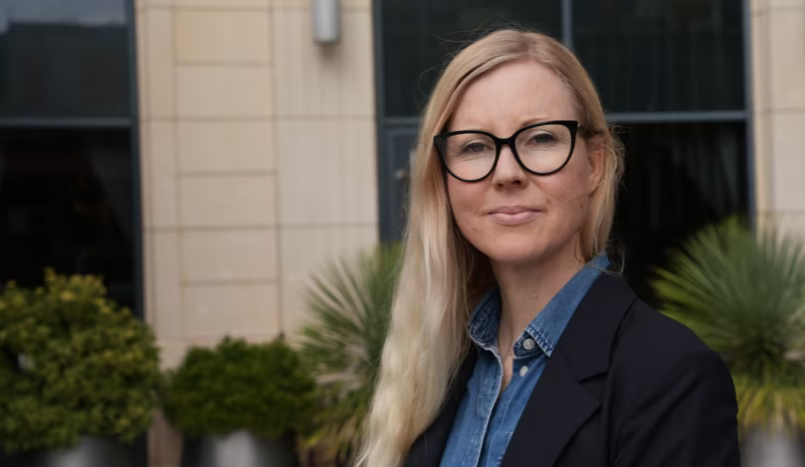
Ish-gazetarja hulumtuese finlandeze, Jessikka Aro, paralajmëron se dezinformimi i organizuar nga Rusia është shndërruar në një kërcënim global pa kufij – me të cilin përballet edhe Kosova, sipas kryediplomatit Glauk Konjufca. Përballë një hapësire të pakontrollueshme, si interneti, përgjigjja më efektive mbetet edukimi medial dhe rritja e rezistencës së qytetarëve ndaj dezinformatave, mendon eksperti Markku Mantila.
Ndonëse e lindur dhe e rritur në Finlandë, interesi i Jessikka Aros për shtetin fqinj, Rusinë, nisi që në fëmijëri të hershme, nga rrëfimet e gjysheve të saj për luftën e ish-Bashkimit Sovjetik në vendin nordik:
“Doja të njihesha me Rusinë. Doja të dija nëse ajo përbënte ende një lloj kërcënimi apo rreziku për Finlandën, sepse ne ndajmë 1.300 kilometra kufi me Rusinë”.
Kjo kureshtje e shtyu autoren finlandeze që të shkonte të studionte dhe të punonte në Rusi, përvojë që thotë se i dha qasje të brendshme në kulturën dhe sistemin mediatik rus.
“Ndjeva se kishte diçka vërtet anormale në ekosistemin mediatik rus, dhe në atë që përhapet nëpërmjet tij”, shprehet ish-gazetarja hulumtuese, e specializuar në dezinformimin e organizuar rus, në një bisedë me Shërbimin e Kosovës të Radios Evropa e Lirë (REL).
Ajo rrëfen se ndryshimi i madh erdhi me ngjarjet e vitit 2014, aneksimin e Krimesë nga Rusia dhe fillimin e luftës në Ukrainë, kur, siç thotë ajo, “u bë e vështirë të dallohej realiteti nga gënjeshtra edhe në mediat jashtë Rusisë”.
Në atë kohë, disa gazetarë rusë kishin filluar të zbulonin atë që quhej “fabrika e trollëve”, që nënkuptonte njerëz të organizuar dhe të paguar, që shpërndanin informata të rreme dhe komente të orkestruara me një agjendë pro-Kremlinit.
Aro dëshironte të dinte nëse ndikimi i këtyre dezinformatave depërtonte përtej Rusisë, më saktësisht në Finlandë. Kështu, ajo e bëri të hapur për publikun hulumtimin që po niste, dhe kërkoi nga ai ndihmë për ta vërtetuar këtë ndikim.
“Më dërgonin materiale. Materiale ruse në finlandisht. Më tregonin shembuj dhe pamje të ekranit, dhe fotografi të materialeve dezinformuese që qarkullonin në ekosistemin finlandez”, rrëfen Aro.
Hulumtimi saj vazhdoi edhe në terren, ku ajo vizitoi edhe objektin fizik në qytetin e Shën Petersburgut, në Rusi, dhe kontaktoi edhe punëtorë të kësaj fabrike, e cila ishte maskuar me emrin e një kompanie private, që quhej “Agjencia për Hulumtime në Internet”, dhe që pretendonte se nuk kishte të bënte asgjë me strukturat shtetërore ruse.
Hulumtimi i Aros pati reagim të menjëhershëm.
“Ndoshta ishte mes 24 deri në 36 orë. Atëherë u bëra shënjestër. Fillova të merrja telefonata, njerëz shumë të zemëruar nga Rusia dhe vende të tjera të botës rusishtfolëse. Merrja mesazhe dhe emaila, ku më quanin ‘shpifëse’, dhe më kërkonin të shkoja në burg sepse gjoja isha ‘kriminele’”, tregon ajo.
Siç rrëfen Aro, fushatat shpifëse e paraqitën si “agjente të huaj”. U publikuan të dhënat e saj të kontaktit, dhe u organizuan grupe urrejtjeje, që u shndërruan edhe në presion fizik në jetën e përditshme të saj.
Aro më vonë paraqiti kallëzime penale, dhe disa prej të dyshuarve u dënuan për përndjekje dhe shpifje. Pas tronditjes që kishte marrë nga kjo fushatë, ajo mori një pushim dyvjeçar nga puna, dhe u përqendrua në shkrimin e librit të saj “Trollët e Putinit”.
Por, fabrikat e dezinformimit nuk u ndalën. Ato, sipas Aros, u sofistikuan, dhe tani po përdoren si modele edhe jashtë Rusisë.
“Ishte shumë specifike, dhe ishte diçka e re në vitin 2014. Atëherë nuk e dinim të paktën që vendet e tjera do të kishin fabrika të tilla trollësh, që në fakt punësonin njerëz, për të pretenduar se ishin njerëz të vërtetë, me fakte dhe opinione të vërteta”, thotë ajo.
Aro beson se “shumë udhëheqës autoritarë e kanë ndjekur këtë shembull”.
Sa është e rrezikuar Kosova nga “fabrikat e gënjeshtrave”?
Për Aron, hapësira e internetit është e përkryer për shpërndarjen e dezinformatave, dhe tejkalon çfarëdo kufij në gjeopolitikë:
“Pra, askush nuk është i sigurt, në esencë. Shumë nga këto materiale dezinformuese ruse thjesht janë lokalizuar në gjuhë [të ndryshme] lokale”.
Në përvojën e saj, edhe njerëz të miredukuar kanë rënë pre e këtyre manipulimeve.
“Do të doja të theksoja se pjesërisht ajo që trollët ishin në gjendje të bënin, mënyra se si ishin në gjendje të ndikonin te njerëzit e vërtetë në Finlandë, ishte të mbillnin frikë, sepse këta trollë në fakt do të sulmonin qytetarët individualë që thjesht komentonin”, shton ajo.
Aro erdhi në kryeqendrën kosovare, Prishtinë, këtë javë, për të marrë pjesë në një konferencë në lidhje me dezinformimin, të organizuar nga Ambasada e Finlandës në Kosovë.
Në këtë konferencë, të mbajtur më 15 prill, Ministri kosovar i Punëve të Jashtme dhe Diasporës, Glauk Konjufca, vuri në dukje pasojat konkrete për Kosovën dhe nevojën për një përgjigje të koordinuar:
“Për Kosovën, kjo nuk është brengë e largët. Vazhdojmë të ballafaqohemi me fushata dezinformimi që vijnë kryesisht nga Rusia dhe Serbia, të cilat përpiqen ta cenojnë shtetësinë tonë, ta keqpërfaqësojnë realitetin tonë, dhe perceptimin vendor e ndërkombëtar”.
Ai, megjithatë, argumentoi se si reagim ndaj kësaj, “asnjë institucion i vetëm nuk mund të ofrojë përgjigje të plotë”.
Sipas Konjufcës, “ndërtimi i aftësisë përballuese kërkon një përpjekje gjithëpërfshirëse e të mbështetur, që bën bashkë institucionet publike, mediat e pavarura, shoqërinë civile dhe qytetarët. Në këtë drejtim, përvoja e vendeve nordike ofron udhëzime të rëndësishme në gjithë rajonin”.
Hulumtime të Radios Evropa e Lirë kanë gjetur në disa raste shpërndarje të narrativit të Kremlinit, të ndërlidhur me ngjarjet në Kosovë, sidomos përmes grupeve në platforma si Telegram-i.
Po ashtu, në raportet mujore në lidhje me dezinformimin, që i publikon organizata kosovare Hibrid.info, Rusia shpesh është protagoniste, si një ndër burimet e këtyre dezinformatave.
“Gjatë marsit është vërejtur edhe qarkullimi i narrativëve serbë dhe rusë, që synojnë rishkrimin e ndërhyrjes së NATO-s në vitin 1999”, thuhet në raportin e marsin të sivjetmë.
“Gjithçka është më e lehtë tani me inteligjencë artificiale”
Sipas ekspertit të komunikimeve strategjike, gazetarit dhe autorit finlandez, Markku Mantila, përpjekjet për përgënjeshtrimin e secilit lajm të rremë janë jofektive në botën e sotme:
“Besoj që është e domosdoshme të kuptohet që: Në hapësirën e pakufishme të internetit, askush nuk mund të kontrollojë informacionin, e në këtë rast as dezinformatat”.
Në një fjalim që ai mbajti në konferencën e 15 prillit në Prishtinë, Mantila ngulmoi se edukimi medial është i domosdoshëm për të përballuar veçanërisht periudhën e përhapjes së inteligjencës artificiale.
“Është gjë e lehtë, gjë e lirë, dhe çdokush mund t’i përdorë këto vegla. Asnjëherë nuk kanë qenë më të pajisur se sot”, tha ai.
Aro, po ashtu, mendon se “gjithçka është më e lehtë tani me inteligjencë artificiale”.
Autorja finlandeze konsideron se hulumtuesit në të gjithë botën duhen të përgatiten se angazhimet në këtë fushë “thuajse në çdo rast mund t’i bëjnë shënjestër të fushatave të gënjeshtrave”.
“Duhet të pranosh që kjo ndodh… Është puna jote që të bën shënjestër të profesionistëve që janë trajnuar për të të heshtur. Pra, ka të bëjë me rezistencën personale dhe ndërtimin e saj”, thotë ajo për REL-in.
Aro, megjithatë, ka disa këshilla praktike për të minimizuar dëmet nga këto sulme:
“Ajo që dikush mund të bëjë për të mbrojtur veten është ta bëjë çdo gjë private, çdo gjë sekrete, si informacionin e adresës ose informacionin familjar, të mos ndajë shumë gjëra rreth anëtarëve të familjes në internet”.
Sipas Aros, është mirë që gazetarët të konsultohen edhe me “zyrtarë dhe ekspertë të sigurisë”.
“Dhe, gjithashtu, është një ide e mirë të negocioni me punëdhënësin se sa larg do të shkojnë për t’ju mbrojtur”, përfundon ajo.







**** THE PLACE CALLED GREECE NEVER EXISTED BEFORE AS WE KNOW IT TODAY ******
The place called Greece never existed before as we know it today. The people who live in the so-called Greece today used to be called “Romej” during Byzantine Empire and “Raja” during Ottoman Empire times (except the Arvanites and Chams who used to be called always by their name like “Albani”, “Albanoi”, etc.) and the name “Greece” never existed during Byzantine times.
The people who live in the so-called Greece today are NOT the descendants of ancient Greece (as the world history knows it). That ancient culture and civilization (which is in fact an Illyrian-Pelasgian civilization, wrongly and deliberately named and misrepresented as “Greek” in modern times), unfortunately went extinct about 2000 yrs ago, like many other ancient civilizations (such as Latin civilization as well, language of which is spoken in the certain official religious ceremonies in Vatican today and for international medical terminology only).
During Ottoman times in the Balkans, after the great powers pushed for an uprising in the region that today is artificially called “Greece”, an independent country was formed during 1821-1832.
The majority of the population there (about 92%) was of Arvanite and Cham stock – both of Albanian ethnicity.
They also were the backbone of the uprising for independence from the Ottoman Empire – with 100% of the all senior leading commanders of the uprising for independence being of Albanian stock (Arvanites and Chams). The rest of the minority population (around of 8%) was of Aromanian, Slav, Turks, and Roma stock. There were no “Greeks” whatsoever, they did not exist as ethnicity, population or language at all, up until 1821-1832 period in that region.
The Arvanite Republic was the initial nucleus independent country established in the Morea/Peloponnese region by 1821. After the gain of independence, the region was so divided, and with a prolonged civil war that a real country could not be formed on the entire region.
Fearing the disintegration of the region after Ottomans left (and the possibility of a return of the Ottomans), Prince Otto of Germany was installed in by European powers and Russian Empire, in order to clear the mess and initiate nation – building there.
He was proclaimed King of the region by great European powers and the Russian Empire of that time and given, at the same time, plenipotentiary powers to rule.
The Prince Otto royal family in Germany (Bavarian dynasty) happen to be an admirer of the ancient civilizations, one of them being the extinct ancient “Greek” civilization, traces and archeological findings of which are also seen in that region called today “Greece” as well.
Being an ancient history romantic and buff, “living in a bubble” and being completely out of touch with the realities of the Illyrian Peninsula at that time, Otto came up with the idea (in collusion also with the then Russian Empire and an anti-Christian dangerous religious cult in that region at that time – some self-proclaimed “Orthodox” Church), that the only way to keep the place together and for a chance to build a country there, was to adopt/impose some kind of neutral/foreign ancient language and culture for all people living in that place, that will make possible for the people to stick together under one language and culture imposed on them.
Therefore, with a special royal decree, Otto proclaimed a version of the ancient artificial “Greek”/Koine language (the easier one to be taught and learned by people there in those times) as an official language of the place, and also came up with the new name for the place, calling it with a special royal decree “Greece” (a name without any historical and factual meaning).
Everything else was banned, and the new “country” formed, was ordered to be rebuild anew in resemblance of the old romantic view of the ancient extinct “Greek” civilization, starting with the buildings, names of people, places, cities and villages, regions, mountains, fields and all were changed to made-up names borrowed from the ancient literature of an imaginary ancient “Greek” civilization.
This of course was accompanied with money brought in by European powers to rebuild. The more people in that region agreed with the change of their true national and ethnic identity and declared themselves artificially “Greeks/Helenes” and adopted to the new order, the more money was to be pouring in.
Naturally, the strongest resistance to this artificial and made-up solution, was made by the Arvanites (who consider themselves to be pure Albanians at the same time – contrary to the today’s Greek governments laughable, nonsense, and desperate lying propaganda that falsely declares that “Arvanite of Greece speak Albanian but are not Albanians but Greeks”) and Chams, but at no avail.
It is legendary, the loss by one vote (the illegal vote of then French Ambassador) in the Price Otto’s rigged Parliament of that time, of Arvanite and Chams proposal to have the Albanian (Arvanite) language as an official language of the place called ‘Greece” today, and to name and call the new country “Arvanoi (Albania)” (instead of “Greece).
There is overwhelming scientific and factual evidence, archival and historical documents, as well as studies and publications by major world-renowned authors and authorities in the field, about all of the above.
One interesting fact here, is that one of the earlier German/Austrian well known historians and scientists of that time, Fallmerayer, alerted Prince Otto and others to this nonsense, of declaring a whole people and place by a name not belonging to them (so experimenting with them as they were guinea pigs), and injecting an extinct artificial language, culture and civilization on people who had no idea about it and did not belong to it at all. Well, Fallmerayer may have proven to be right.
By the way, Fallmerayer, is a banned figure and historian by the dictatorial klepto-theocracy regime in what is called “Greece” today.
Through a thorough fact finding mission and field observations during the same time (of Prince Otto’s installation to power in the region called “Greece” today), another world-renowned German historian, subject-matter expert and scientist of that time, Prof. Hans Heidenauer, came to the conclusion and reported back to German royal authorities that – “there are no ‘Greeks’ whatsoever in the region, they don’t exist – there are only people and a population who speak a language called Arvanite/Albanian and the people call themselves Arvanites/Albanians”.
Another earlier government fact-finding mission about the Albanian inhabited regions in Europe, commissioned by Napoleon Bonaparte (Emperor of France) around the year 1800, confirmed that, Albanian regions extended from Mediterranean Sea and Peloponnese up to Dalmatia and Danube river, and eastward beyond Vardar (Dardhar) river bordering Aegean Sea.
By the way, Germany is still paying for the Otto’s racist and ignorance blunder, even today. It has gotten stuck with the country so called “Greece”. It is now forced to pour free money, even today, out of Germany’s pocket (through European Union as well) year after year to keep it alive and going, as this “Greece” cannot stand on its own.
It is an artificial creation of Prince Otto’s ill-conceived fantasy and the malevolent aims of then Russian Empire and the dangerous religious cult/sect called “Orthodox” Church – a “zombie”, “fake”, “scam” and a “plagiarized” country so to speak, and the new generations of the Germans and Europeans are continuing to pay the price for it. To illustrate, during its existence since 1832, this so-called country of ‘Greece” has changed twice its official language and three times its national flag.
Moreover, what Prince Otto did back then, is tantamount to a silent ethnic cleansing by alteration (followed later on by mass murder, pogroms, holocaust, and ethnocide by succeeding “Greek” governments).
He forced inhabitants of a whole region/place (called “Greece” today) to change by force their culture, language, national and ethnic identity to something else that those people were not, so they could artificially change in order to look modern and civilized (like artificial ancient “Greeks” in Otto’s personal view) and possibly be united.
And of course, Arvanites and Chams (as the majority population in the region) suffered mostly from this ethnic cleansing – which was later on followed even with mass killings, ethnocide, holocaust, and mass expulsions of Arvanites and Chams (who refused to change and trade their Arvanite/Albanian language for a Koine “zombie” language), by zombie and dwarf “Greek” governments and regimes that followed into the 20th century.
All this revelation, informs another major and mission critical nodal point: history taught about what is called “Greece” today, it appears to be taught wrong. People are wrongly taught in schools that today’s “Greece” and its people are the direct descendants of “ancient Greeks”.
“Greece and Greeks” of today, to some extend, also falsely think they are superior to others just because they are called “Greeks” and their country “Greece” by decree (not by the virtue of the truth).
They also seem to falsely believe for some reason, they are entitled to the German and European money being handed out to them – as, it seems, they are unable to create any value-added contribution to the European economy, culture, art, business, science and technology.
The school textbooks and historiography should change, telling people the truth as it is.
And with this, will come many other changes, in the way we see relations with the country called “Greece” today.
Shkencëtarët e Rinj Shqiptaro-Amerikanë
(Young Albanian-American Scientists)
New York, Qershor 2018
(June 2018) ====================================================================================