VOAL

VOAL

Kalendari historik: 26 mars

March 26, 2017

Komentet

Pushkatimi i 22 intektualëve- Vendimi nr.64 dhe dënimi i Zyhdi Herrit një ditë pas vrasjes! Unaza u kthye nga toka pas 43 vitesh

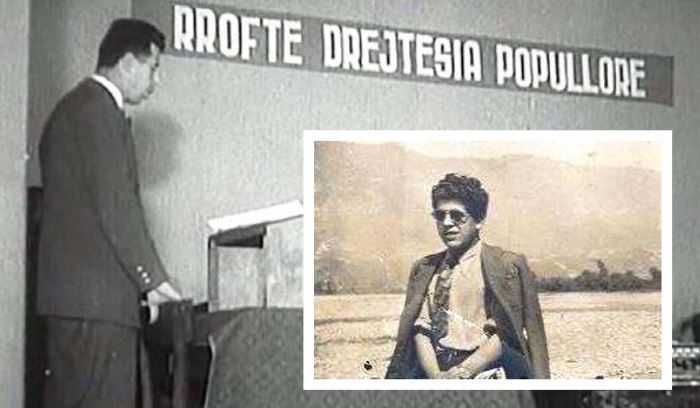
Zyhdi Herri ishte një i ri tiranas, intelektual, jurist dhe gazetar, i formuar në vitet kur Shqipëria përjetonte pushtimin fashist.

Zyhdi Herri lindi në vitin 1921 në Tiranë, në një familje të njohur të kryeqytetit. Ishte pjesë e një brezi të ri shqiptarësh që po shkolloheshin, po njihnin idetë moderne dhe po përballeshin me një realitet politik që ndryshonte me shpejtësi. Në vitet e rinisë ai studioi në Liceun francez të Korçës, një prej institucioneve më të rëndësishme arsimore të Shqipërisë së kohës. Korça ishte atëherë një prej qendrave kryesore të arsimit dhe kulturës shqiptare. Në mjedisin e liceut, të rinjtë njiheshin me kulturën evropiane, me gjuhët e huaja, me mendimin modern dhe me një botë që shkonte shumë përtej kufijve të Shqipërisë së vogël të viteve ’30. Ai ishte pjesë e asaj rinie që besonte te arsimi, te kultura dhe te një e ardhme tjetër për Shqipërinë.

Studimet në Liceun francez të Korçës dhe më pas në Tiranë i dhanë formimin e një intelektuali të kohës. Por jeta e tij do të ndërpritej dhunshëm në moshën vetëm 30-vjeçare. Në prag të pushtimit italian të Shqipërisë, Zyhdi Herri ishte ende student. Ai mori pjesë në demonstratat antifashiste që zhvilloheshin në Korçë dhe në Tiranë. Për këtë arsye, në vitet 1939–1940 u përjashtua nga shkollat e Perandorisë Italiane. Për një të ri që e kishte lidhur të ardhmen e tij me arsimin, ky ishte një ndëshkim i rëndë. Megjithatë, Herri nuk hoqi dorë nga studimet. Më vonë vazhdoi rrugën e tij arsimore dhe studioi jurisprudencë në Siena të Italisë. Formimi juridik do të ishte një pjesë e rëndësishme e profilit të tij intelektual. Por, krahas jurisprudencës, ai do të lidhej ngushtë edhe me gazetarinë dhe shtypin, një fushë në të cilën do të punonte pas Luftës së Dytë Botërore.

PREJARDHJA FAMILJARE SI AKUZË

Pas përfundimit të luftës, Zyhdi Herri nisi punë në gazetën “Bashkimi”, ku mori edhe detyrën e kryeredaktorit. Ishte një periudhë kur shumë intelektualë shqiptarë besonin se përfundimi i luftës do të sillte një rend të ri politik, më shumë të drejta dhe mundësi për një shoqëri më të drejtë. Edhe Herri, sipas dëshmive të familjarëve dhe kujtimeve të përcjella më vonë, shpresonte se premtimet për liri dhe të drejta demokratike do të bëheshin realitet. Por zhvillimet politike të pasluftës sollën një realitet krejt tjetër. Regjimi i ri filloi të ndërtonte mekanizmat e një shteti totalitar. Kundërshtarët politikë, intelektualët e pavarur, familjet e njohura dhe njerëzit që konsideroheshin të papërshtatshëm për pushtetin u vunë gradualisht nën presion. Në këtë klimë, edhe e kaluara familjare mund të shndërrohej në një “faj”. Zyhdi Herri ishte i biri i Xhemal Herrit, i cili ishte konsideruar si mbështetës i Legalitetit.

Kjo rrethanë do të përdorej më vonë kundër tij. Në dokumentet e asaj kohe, ai paraqitej si person me prejardhje të papërshtatshme politike dhe si intelektual që kishte mbajtur qëndrim armiqësor ndaj pushtetit. Fakti që kishte punuar në shtypin e kohës dhe kishte pasur një rol në një gazetë që mbështeste pushtetin e ri nuk e shpëtoi. Përkundrazi, në atmosferën e terrorit politik, një intelektual i formuar jashtë kornizës së Partisë Komuniste mund të bëhej lehtësisht objekt dyshimi. Më 20 shkurt 1951, policë të armatosur shkuan natën në shtëpinë e familjes Herri në Tiranë. Në shtëpi ndodheshin edhe gruaja dhe dy fëmijët e vegjël të Zyhdiut. Sipas dëshmisë së familjes, fëmijët ishin rreth tre vjeç dhe një vjeç. Arrestimi u krye para syve të tyre. Në kujtesën familjare ka mbetur momenti kur Zyhdi Herri u përpoq të qetësonte bashkëshorten dhe i tha se nuk kishte bërë asgjë dhe se do të kthehej shpejt. Por nuk u kthye më. Pas arrestimit, familja nisi të kërkonte informacion. U përpoqën t’i çonin ushqime dhe rroba, por përgjigjet e autoriteteve ishin mohuese. Më pas erdhi lajmi i tmerrshëm: Zyhdi Herri ishte pushkatuar. Ai ishte vetëm 30 vjeç.

TERRORI PAS BOMBËS NË AMBASADËN SOVJETIKE

Pushkatimi i Zyhdi Herrit ndodhi në kuadër të represionit që pasoi incidentin me bombën në ambasadën sovjetike në Tiranë më 19 shkurt 1951. Ngjarja u përdor nga regjimi për të ndërmarrë një valë arrestimesh dhe ekzekutimesh ndaj personave të konsideruar kundërshtarë politikë. Mes të vrarëve ishte edhe Zyhdi Herri. Sipas dokumentacionit të cituar për rastin e tij, një ditë pas vdekjes, më 27 shkurt 1951, Gjykata e Lartë Ushtarake dha vendimin nr. 64, duke e dënuar me vdekje me akuzat për pjesëmarrje në një “organizatë terroriste”, shërbim ndaj “spiunazhit imperialist”, propagandë kundër pushtetit dhe nxitje lufte. Ky fakt e bën rastin edhe më të rëndë, vendimi gjyqësor që e dënonte me vdekje ishte dhënë pasi ai ishte vrarë. Zyhdi Herri u pushkatua së bashku me një grup të dënuarish të tjerë, në atë që sot njihet si një nga episodet më të rënda të represionit komunist të vitit 1951. Mes viktimave ishte edhe shkencëtarja Sabiha Kasimati. Për familjet e tyre, për dekada me radhë nuk pati një varr ku të mund të vendosnin lule, të ndiznin një qiri apo të kryenin një ceremoni mortore. Të ekzekutuarit u varrosën në një varr të përbashkët në periferi të Tiranës. Familjarët nuk e dinin saktësisht se ku ndodheshin eshtrat e njerëzve të tyre. Heshtja ishte pjesë e dënimit.

FAMILJA, VIKTIMË E DYTË E REPRESIONIT

Zyhdi Herri u pushkatua më 26 shkurt 1951, pa gjyq, me pretekst të ashtuquajturin incident në ambasadën sovjetike. Një ditë pas vdekjes, më 27 shkurt, Gjykata e Lartë Ushtarake e dënoi, me vendim nr. 64, si «pjesëmarrës në organizatë terroriste, për hyrje në shërbim të spiunazhit imperialist, për propagandë kundër pushtetit dhe për nxitje lufte», me vdekje, pushkatim, me humbjen e të drejtave civile të përhershme dhe me konfiskimin e gjithë pasurisë të tundshme e të patundshme. Por tragjedia e familjes Herri nuk përfundoi me pushkatimin e Zyhdiut. Vetëm pak ditë më pas, familja u internua. Dëshmia e vajzës së tij, Brunhildes, e përcjellë vite më vonë, është një nga rrëfimet më të dhimbshme për atë që përjetuan familjet e të pushkatuarve.

Ajo ishte ende fëmijë. Kujtesa e saj ruajti jo argumentet politike të regjimit, por pamjet e natës kur njerëz të armatosur hynë në shtëpi, frikën e nënës, fëmijët e vegjël, rrëmujën e krijuar dhe largimin e babait. Më pas erdhi udhëtimi drejt internimit. Familja u transportua në kushte të rënda. Në kujtesën e saj mbeti karroceria e hapur e kamionit, shiu i ftohtë i shkurtit dhe rrugët e Tiranës në një natë terrori. Ata u dërguan në Vlorë. Për familjen, arrestimi i kryefamiljarit ishte kthyer tashmë në një dënim kolektiv. Për shumë vite, vendndodhja e varrit të përbashkët mbeti e panjohur. Vetëm pas ndryshimeve politike të viteve ’90 u krijua mundësia që të kërkohej më seriozisht vendi ku ishin varrosur viktimat. Në vitin 1994, dëshmitë e banorëve të zonës së Menikut, pranë Urës së Beshirit, ndihmuan në identifikimin e vendit. Dëshmitë e banorëve flisnin për një gropë të hapur paraprakisht dhe për transportimin e të burgosurve gjatë natës. Më pas nisën kërkimet dhe zhvarrosja. Ishte momenti kur familjet, pas më shumë se katër dekadash, mundën të përballeshin me një të vërtetë që regjimi kishte dashur ta mbante të fshehur.

UNAZA QË U KTHYE NGA TOKA

Një nga detajet më prekëse të historisë së Zyhdi Herrit është gjetja e unazës së martesës. Gjatë identifikimit të eshtrave, familjarët gjetën një unazë që lidhej me Zyhdi Herrin. Për vajzën e tij, ajo unazë u bë më shumë se një send personal. U bë një lidhje materiale me babanë që ia kishin marrë kur ishte ende fëmijë. Një objekt i vogël, i mbetur nga një jetë e ndërprerë dhunshëm, ishte kthyer nga toka pas dekadash. Në kujtesën familjare, kjo unazë mbeti një amanet. Zyhdi Herri ishte pjesë e një brezi intelektualësh shqiptarë që u formuan në vitet ’30, përjetuan pushtimin fashist, u përfshinë në jetën politike e shoqërore të kohës dhe më pas u përballën me një sistem të ri që nuk toleronte pavarësinë e mendimit. Ky brez jetoi dy përmbysje të mëdha historike. Fillimisht pushtimin dhe luftën.

Më pas vendosjen e një sistemi totalitar. Shumë prej tyre kishin besuar se pas luftës do të ndërtohej një Shqipëri më e lirë dhe më demokratike. Por realiteti politik u zhvillua në drejtim tjetër. Për disa, rruga përfundoi në burgje. Për të tjerë në internim. Për disa në ekzekutim. Zyhdi Herri ishte ndër ata që nuk patën mundësinë të shihnin se si do të zhvillohej më tej vendi që kishin dashur ta ndërtonin. Rasti i Zyhdi Herrit është pjesë e kujtesës së viktimave të terrorit komunist në Shqipëri. Ai është një histori për një intelektual të ri, i cili u arsimua, u përfshi në jetën publike, punoi si gazetar dhe besoi se pas luftës Shqipëria mund të ndërtonte një shoqëri me më shumë liri. Në vend të kësaj, ai u arrestua, u ekzekutua dhe u dënua zyrtarisht edhe pasi ishte vrarë.

/Gazeta Panorama 

Dokumentet sekrete Sarajevo Safari: Vuçiç i përfshirë në ‘gjahun e njerëzve’ gjatë rrethimit të Sarajevës

Gazetari kroat Domagoj Margetiq ka publikuar dokumente të cilat, sipas tij, janë pjesë e dokumentacionit të brendshëm dhe sekret të Shërbimit të Sigurimit Shtetëror të Bosnjë-Hercegovinës që lidhen me rolin e Aleksandar Vuçiqit në Rrethimin e Sarajevës.

Në qendër të materialit është një dokument i datës 17 shkurt 1995, i lidhur me përpunimin operacional të koduar “Lovac”, apo “Gjuetari”.

Dokumenti i atribuohet Nedžad Ugljenit, atëherë drejtues i Shërbimit të Sigurimit Shtetëror të Bosnjë-Hercegovinës.

Sipas përmbajtjes së dokumentit të publikuar nga Margetiq, Ugljeni e identifikon Aleksandar Vuçiqin, i cili në atë kohë ishte sekretar i përgjithshëm i Partisë Radikale Serbe në Beograd, si personin që koordinonte ardhjen e shtetasve të huaj në pozicionet e snajperëve nga ku, sipas dokumentit, qëllohej ndaj civilëve në Sarajevë.

Në dokument thuhet se, pas bisedave me disa persona lidhur me ardhjen e “gjuetarëve të huaj” për të qëlluar njerëz nga pozicionet e snajperëve në Grbavicë dhe Varrezat Hebraike, kontaktet operative kishin siguruar informacione që Shërbimi i konsideronte të besueshme.
Image“Personi që koordinon aktivitetet e sjelljes së gjuetarëve të huaj në Grbavicë dhe që i shoqëron ata në pozicionet nga të cilat qëllohet mbi civilët në Sarajevë është sekretari i atëhershëm i përgjithshëm i Partisë Radikale Serbe në Beograd, Aleksandar Vuçiq”, thuhet në dokumentin e publikuar.

Në material thuhet gjithashtu se Vuçiq kalonte kufirin dhe lëvizte në territorin nën kontrollin e forcave serbe të Bosnjë-Hercegovinës. Sipas dokumentit, në pikat e kontrollit ai identifikohej me një legjitimacion të rezervistit të Shërbimit të Sigurimit Shtetëror të Serbisë.

Image
Sipas dokumentit, ky legjitimacion ishte lëshuar nga Frenki Simatoviq, atëherë zëvendësdrejtor i DB-së së Serbisë.

Aty theksohet se aktivitetet e Vuçiqit në lidhje me ardhjen e “gjuetarëve të huaj” në Grbavicë dhe në Varrezat Hebraike kishin vazhduar edhe pasi ai ishte kthyer në Beograd dhe ishte zgjedhur sekretar i përgjithshëm i Partisë Radikale Serbe.

Në atë periudhë, sipas dokumentit, ai ishte edhe deputet në Kuvendin e Serbisë.

Image
Pikërisht për shkak të këtyre të dhënave, dokumenti thotë se përpunimi operacional ndaj personit vazhdonte nën emrin “Lovac” – “Gjuetari”.

Sektorët ku zhvilloheshin veprimtaritë

Një pjesë e veçantë e dokumentit përshkruan edhe mënyrën se si, sipas informacioneve të kontakteve operative të SDB-së, ishin organizuar pozicionet për “gjuetarët e huaj”.

Sipas materialit, ndarja në sektorë u mundësonte të huajve që merrnin pjesë në këto aktivitete të zgjidhnin pozicionin nga i cili do të qëllonin.

Dokumenti i përshkruan këto aktivitete si “gjueti njerëzish”, ndërsa Margetiq i referohet atyre si “safari njerëzore me snajper”.

Ugljeni mblidhte informacion pavarësisht ndalimit të hetimeve

Sipas Margetiq, Nedžad Ugljeni kishte vazhduar të dokumentonte informacionet që merrte nga burimet dhe kontaktet operative lidhur me këto aktivitete, pavarësisht një ndalimi zyrtar për zhvillimin e hetimeve.

Image
Informacionet e mbledhura regjistroheshin në dokumente të brendshme me qëllim që të mbetej gjurmë për atë që po raportohej nga burimet operative.

Dokumenti i datës 17 shkurt 1995 përfundon duke e paraqitur Vuçiqin si person me rol të rëndësishëm në organizatën që, sipas informacioneve të kontakteve operative, sillte “gjuetarë të huaj” në pozicionet e kontrolluara nga forcat serbe.

Çfarë ndodhi me dokumentet pas vrasjes së Ugljenit?

Një pjesë tjetër e materialit të publikuar nga Margetiq lidhet me fatin e dokumentacionit të Nedžad Ugljenit pas vrasjes së tij në vitin 1996.

Sipas gazetarit kroat, pas vrasjes së Ugljenit ishte urdhëruar shkatërrimi i dokumentacionit të tij.

Sipas këtij versioni, nuk pati dorëzim formal të zyrës së tij dhe as procesverbal për materialet që u gjetën aty pas vrasjes.

Image
Margetiq thekson se dokumentacioni i gjetur në zyrën e Ugljenit u zhduk. Megjithatë, sipas tij, Ugljeni kishte parashikuar rrezikun dhe kishte ruajtur kopje të një pjese të madhe të dokumenteve në disa vende.

Në veçanti, sipas tij, kopjet përfshinin shënime dhe informacione të brendshme që ai kishte mbledhur gjatë punës së tij.

Dokumentet e publikuara nga Domagoj Margetiq, ngrenë pretendime serioze për përfshirjen e Aleksandar Vuçiqit në organizimin e ardhjes së të huajve në pozicionet e snajperëve gjatë Rrethimit të Sarajevës.

The GeoPost

Arkiv i Voal.ch – 24.08.2014 JA SI U DËMSHPËRBLYEN BYROISTËT NGA QEVERITË SOCIALISTE Nga MIRA KAURI, anëtare e kryesisë së Gruaja Demokratike, Durrës, PDSH

JA SI U DËMSHPËRBLYEN BYROISTËT NGA QEVERITË SOCIALISTE
Nga MIRA KAURI, anëtare e kryesisë së Gruaja Demokratike, Durrës, PDSH

E Djelë, 08.24.2014, 10:10am (GMT+1)

Duke pare qe postimi im i djeshem mbi demshperblimin e ish te perndjekurve ngriti mjaft polemika jam e detyruar te bej disa sqarime . Se pari qe ne vitin 1992 Presidenti Berisha si dhe qeveria Meksi vendosen si paresore ndihmen ndaj kesaj shterese teper te vuajtur (te vuajtur eshte pak, me mire te martirizuar) te shoqerise sone nga regjimi i pa pare diktaktorial . Keshtu te gjithe ish te perndjekurve dhe familjeve te tyre ju dha nje demshperblim monetar modest (ato ishin mundesite e qeverise ne ato vite), ju dha prioritet ne privatizimet, ne strehim per aq sa qe e mundur, si dhe u be e pamundura duke ndihmuar femite e tyre per shkollim si brenda dhe jashte vendit. Ne 2005 Qeveria e Kryeministrit Berisha rihapi ligjin ( lene ne harese nga qeverite paraardhese) e demshperblimit i ndare ne tete keste. Me sa di te gjithe ish te perndjekurit dhe trashegimtaret e tyre plotesuan dokumentat sipas udhezimit dhe keshtu u be e mundur qe gjate 2005-2013 u shpernda kesti i pare dhe i dyte per te gjithe. Sigurisht do te kete pasur ndonje vonese ose mosmarreveshje, ose tek e fundit dhe ndonje punonjes jo korrekt, por se fundi u realizua dhe kesti i dyte. Pra ngelen dhe 6 keste te tjera, por ministri dje u nxitua dhe tha se nuk ka me keste!!!. Per te rregulluar ministrin doli Rama dhe tha se: “do te marrin demshperblimin te gjithe ata qe jane gjalle” (me sa kuptova e kishte fjalen per ata qe kane vuajtur burgjet in prima persona). Prap pune e ngateruar. Ata qe jane gjalle ta marrin dhe do te ishte nje mrekulli, por si t’ ja bejme se shumica kane vdekur , po familjet e tyre – trashegimtaret tashme dhe mbi 70 vjec pak kane vuajtur, kane jetuar fundin e ferrit mes mundimesh dhe vuajtjesh te papershkrueshme, vertete jashte burgjeve por ne internime, te privuar nga c’do e drejte ne burgun e madhe me emrin Shqiperi . Atehere perse duhet ndryshuar ligji!!!, perkundrazi mendoj se duhej vazhduar sic ishte nisur. Jane pra dhe 6 keste per tu ndare. Dhe dulces in fundum detyrohem te sqaroj per ata qe bejne sikur nuk e dine se per vitet 1998-2005 te qeverive Nano,Majko, etj jane demshperblyer menjehere dhe me shifer te plote vetem keta persona “teper te persekutuar”!!!!!!! listen e te cileve po ja u botoj ketu ……..
MIRA KAURI

“Përballë shqiptarëve të Plavës, Gucisë, Rugovës e Gashit të udhëhequr prej prijësit të tyre Ali Pashë Gucia, miti i trimërisë malazeze”- Dokumentet e panjohura austro-hungareze


Nga Eugen SHEHU*

Ka qenë vjeshta e vitit 1879, kur analistët shqiptarë të Plavës, Gucisë dhe Rugovës, ndjenë erërat e luftërave. Ndërsa për malazezët këto luftëra grishnin për territore të reja jugore, për shqiptarët ato ishin guri i provës së madhe: do të linin fqinjët e tyre të vjetër e dinakë t’u shkelnin vatrat, apo do të ruanin të paprekur ëndrrat dhe trojet e tyre stërgjyshore?

Nëse shqiptarët e këtyre malësive zgjodhën të dytën, tek e mbramja ata dëshmuan dimensionin e lirisë së fituar me çdo çmim, përballë turpit kombëtar.

Pushkët e para midis dy fqinjëve ranë në vjeshtën e dytë, ndërsa krismat e fundit u dëgjuan të lodhura në prillin e vitit 1880. Betejat kishin qenë të rrepta, madje deri në kufijtë irealë të goditjes së dy kundërshtarëve.


Shirat e borërat e motit të ftohtë nuk mund të fshihnin gjakun e derdhur prej malazezëve dhe shqiptarëve. Është pak të quhet kob. Madje popujt e të vendeve e pagëzuan këtë dimër me një simbol tejet ngjethës: “Dimri i gjakut”! Kokëfortësia e lashtë ballkanike nuk do të kursente mijëra jetë njerëzish, që me gjakun e tyre bënë që përrenjtë e maleve të rridhnin gjak në vend të ujërave të dëborave.

Në këtë dimër tragjik, për mijëra luftëtarë shqiptarë kishte një burrë që bënte dritë si vetëtima, kishte një zjarr që largonte shpirtrat e marrë, tek e mbramja kishte një shpresë që nuk fikej ndër luftëra. Ky ishte trimi dhe burri Ali Pashë Gucia. Po cili ishte ky vigan i trevave më veriore të Shqipërisë?

Ai ka lindur në Guci, në prag të vitit 1820, në derën e përmendur shpesh të Shabanagajve. I ati i Aliut, Hasani, për dhjetë vjet me radhë ka qenë kapedan i Gucisë dhe i shquar për trimërinë e tij. Me ndjenjën e atdhedashurisë, ai do të rriste të vetmin djalë të tij, Aliun, duke synuar edhe shkollimin ushtarak të të birit. Përgjithësisht, karakteri i Ali Pashë Gucisë formohet nëpër mjediset e ashpra të vendlindjes, ku fjala e burrave në kulla ishte disa herë më e rëndë se vetë pesha e plumbit.

Ndërkohë kryen studimet ushtarake, ku veçmas bien në sy prirjet e tij ndaj parimeve të luftërave popullore, larg akademizmave pedante të teorive osmane. Thellësisht i ndërgjegjshëm për luftërat e zhvilluara prej të parëve tanë, fitoret dhe humbjet e tyre, mendimi i tij teorik vendoset në terrenin konkret shqiptar, në armatimin dhe psikologjinë e popullit të Plavës, Gucisë e Rugovës.

Në fillim të viteve ’50 të shekullit të kaluar, (shekulli XVIII-të), është kajmekan i Gucisë. Autoritar dhe i vëmendshëm ndaj rrjedhës së ngjarjeve, mundi të grumbullojë rreth vetes një grusht njerëzish të pasur e të ndershëm, për të cilët ruajtja e tërësisë territoriale ishte gjithçka. Edhe pse nën trojet osmane, popujt e vegjël të Ballkanit po zgjoheshin. Në këtë zgjim, ndërsa shqiptarët i mbanin sytë tek kufijtë e tyre, të tjerë fërkonin sytë të mahnitur prej ëndrrave shovene.

Kujaz Darulloja, duke vërejtur se sytë dhe veprimtaria e shqiptarëve të Veriut po drejtoheshin përherë e më tepër drejt autonomisë, dërgon në Guci forca të shumta malazeze nën komandën e Serdar Piletiqit. Ky, i përkrahur edhe nga fisi i madh i Vasojeviqëve, nisi menjëherë represionin në fiset shqiptare, duke u përpjekur t’u vërë fre revoltave. Pikërisht këtë moment shfrytëzon Ali Pashë Gucia. Ai organizon punën me miqtë e tij dhe, së bashku me Plavën, Gucinë dhe Rugovën, u bënë thirrje edhe Krasniqit dhe Gashit, të cilët iu përgjigjën menjëherë.

Falë aftësive ushtarake të tij, Ali Pashë Gucia tërheq trupat e Serdar Piletiqit në disa gryka gati të frikshme dhe aty i godet si vetëtima, duke u shkaktuar humbje të mëdha. Forcat malazeze tërhiqen për t’iu rikthyer sërish viseve shqiptare në vitet 1856-1858. Por tanimë repartet e vetëmbrojtjes së Plavës e Gucisë, nën komandën e Ali Pashë Gucisë, dinë se si t’i presin fqinjit lakmitarë. Duke luftuar trimërisht për vatrat dhe vendet e tyre, trimat e këtyre trevave, njëherazi ishin frymëzues të krejt shqiptarëve, jo vetëm për të ruajtur trojet etnike, por edhe për mbajtjen gjallë të shpresës për një autonomi e mëvetësi të Shqipërisë.

Përballë këtij qëndrimi prej shqiptari të ndershëm, natyrisht që nuk mund të heshtë Porta e Lartë e Stambollit. Mesazhe të shumta vijnë prej andej, duke porositur Ali Pashë Gucinë se duhej të ndryshonte qëndrimin ndaj Perandorisë dhe jo të shpërfillte besimin e saj. I pajisur me virtyte të vyera në karakter, trimi i Gucisë gjen rastin dhe në një kuvend midis burrash shprehet: “Më kanë ardhur haberet se Sulltani më quan tradhtar. Nuk e njoh veten për të tillë. Po në qoftë se deri më sot i kam shërbyer me shpirt Sulltanit, tash e tutje do t’i shërbej vetëm Shqipërisë”.

Lëvizjet e atdhetarëve shqiptarë në agoninë e të “sëmurës së Bosforit”, tanimë ishin të plota: politike, diplomatike, ushtarake. Kulmi ishte dhe mbeti Lidhja Shqiptare e Prizrenit, e cila për nga detyra që shtroi dhe problemet që zgjidhi, u bë një pikë referimi për të tjera ngjarje kulmore të Shqipërisë.

Ndërsa Kongresi i Berlinit, i korrikut 1878, inicoi masakrën e madhe për pushtimin e Plavës, Gucisë dhe Rugovës prej Malit të Zi, ishte pikërisht shtabi madhor i Lidhjes së Prizrenit, i cili më 22 gusht të po këtij viti, deklaron: “Nuk do të njihet asnjë ndryshim i kufirit në Malin e Zi pa pjesëmarrjen…..e krerëve të Lidhjes së Shqiptarëve dhe pa u miratuar vendimet e tij nga gjithë Shqipëria”. (Historia e Shqipërisë, Vëllimi i dytë, faqe 234).

Ditët e para të dhjetorit të vitit 1873 do të shënonin konfrontimin e parë të madh midis forcave malazeze dhe atyre shqiptare. Mbi 10 mijë trupa malazezë të komanduara prej Mark Milanit, futen në drejtim të Plavës, duke kontrolluar disa lartësi tepër strategjike. Sidoqoftë, Ali Pashë Gucia, duke ditur qëllimet e armiqve, organizon disa prita në shpatet e maleve të Stereqit dhe Vixiterit, pothuaj të padukshme, duke e joshur kundërshtarin të kërkojë e të futet sa më thellë në trojet shqiptare.

Në kulmin e betejës, atëherë kur malazezët kërkojnë përforcime, Ali Pashë Gucia shkatërron me disa luftëtarë edhe Urën e Rozhanicës, duke ndërprerë përfundimisht komunikimin e armiqve mes veti. Kësisoj, fitorja fliste vetëm për shqiptarët. Por, natyrisht, këta ishin udhëhequr nga strategu ushtarak Ali Pashë Gucia.

Kuptohet, me rrjedhën e këtyre ngjarjeve, nuk mund të pajtoheshin as Edreneja dhe as Knjaz Nikolla. Tashmë Lidhja Shqiptare kishte fituar popullaritetin e vet. Me caktimin e Ali Pashë Gucisë si komandant të shtabit ushtarak të Prizrenit (në atë kohë Plava e Gucia ishin krahina të Vilajetit të Kosovës), trimat e këtyre trevave fituan siguri në veprimet e tyre luftarake.

Dhe kjo u duk sidomos në betejat e paprera të “dimrit të gjakut”, siç u quajt periudha dhjetor 1879 – prill 1880. Intuita dhe njohuritë ushtarake të kryekomandantit shqiptar Ali Pashë Gucia, u ndërthurën me besën dhe trimërinë e malësorëve shqiptarë, duke çuditur me fitoret e tyre jo vetëm ushtarët e mjerë malazezë, por krejt Europën. Janë të shumta betejat (sidomos ajo në frontin Andrejeviq – Plavë), ku pushkët nuk pushonin së punuari.

Frontet ishin kaq afër, saqë kundërshtarët dilnin nga pozicionet dhe luftonin me njëri-tjetrin me jataganë. E rëndësishme është të thuhet se në të gjitha këto beteja, Ali Pashë Gucia asnjëherë nuk ndenji si komandant madhor që vetëm jep urdhra. Ai drejtoi me zgjuarsi mjaft operacione të ndërlikuara, madje krisma e dyfekut të tij u ndje gati në çdo betejë.

Lidhur me këto luftime, konsulli austro-hungarez në Shkodër, Shumaker, dërgonte këto të dhëna drejt qeverisë së tij: “Vetë malazezët pohojnë se shqiptarët luftuan burrërisht dhe fituan mbi ta…! Fuqia e Lidhjes së Prizrenit e theu atë ushtri malazeze që ka qenë kurdoherë e zonja t’u bëjë ballë forcave turke. Miti i pathyeshmërisë së malazezëve, i trimërisë së tyre, thuajse ishte arratisur përballë gjokseve të bashkuar të shqiptarëve të Plavës, Gucisë, Rugovës e Gashit, të udhëhequr prej prijsit të tyre, Ali Pashë Gucia”. (Nga letrat e diplomacisë austro-hungareze në Shqipëri).

Duke parë se pas “dimrit të përgjakur” mjaft familje shqiptare ishin në mjerim, ky bir i Gucisë shet prona të shumta të trashëguara prej gjyshit dhe babait (ishte trashëgimtar i vetëm) dhe të hollat ua jep familjeve të atyre që ranë në këto beteja, për të mbrojtur tokën arbërore. Natyrisht, nën shembullin e tij vepruan edhe mjaft atdhetarë të tjerë, të cilët mund të falnin gjithçka për Atdheun.

Po aq sa i rreptë me armiqtë shekullorë të Atdheut, edhe dishepull i dhembjes njerëzore, shfaqet Ali Pashë Gucia me fiset e popujt e tjerë që luftërat i mpleksnin. Ai shmang disa konfrontime të boshnjakëve me malazezët, duke dëshmuar kësisoj lirinë dhe paqen. Kësisoj, ai jo rrallë respektohej edhe nga kundërshtarët. Kështu, Vukoviq, dikur ministër i Punëve të Jashtme të Malit të Zi, duke e njohur nga afër burrin shqiptar shkruan se: “Ali Beu ishte prijës i madh ushtarak dhe trim i rrallë, i cili kishte ndarë mejdanin burrërisht me të atin e tij, kur në paqe kishin respektuar njëri-tjetrin si njerëz”.

Ndërkohë, për rrethana të shumta (që nuk e shohim të arsyeshme t’i analizojmë në këtë shkrim), Lidhja Shqiptare e Prizrenit ra, sidoqoftë ajo shërben si një meteor që ndriçon deri sa të shuhet në qiellin e natës së gjatë shqiptare. Mjaft burra të mençur e trima shqiptarë u burgosën, u dënuan, apo u internuan në brigjet më të largëta të Anadollit. Sulltani i asaj kohe, duke njohur reputacionin e madh dhe personalitetin e Ali Pashë Gucisë, kërkon ta tundojë atë, duke i afruar detyra e grada të larta në hierarkinë ushtarake të kohës. Trimi prej Gucie nuk pranon.

Pas disa muajsh, duke dëgjuar edhe këshillat e miqve të tij atdhetarë, Ali Pashë Gucia pranon ta marrë detyrën e Mytesarifit të Pejës. Peja aso kohe ishte qendër e rëndësishme tregtare dhe vatër e zgjimit kombëtar. Vendosja e Ali Pashë Gucisë në detyrën e Mytesarifit të qytetit dhe rrethinave, do të thoshte zmbrapsje të synimeve serbe për aneksim territoresh…! Por serbët u përpoqën me të gjitha mënyrat për të minimizuar rolin e këtij shqiptari të madh, që për atdheun e vet nuk kursente asgjë.

Gjithsesi, katër vitet që Ali Pasha shërbeu si Mytesarif, dëshmuan për shqiptarizmin e kulluar të tij. Ai luftoi deri në fund për organizimin e shpirtrave kryengritës, si edhe për institucionalizimin e besës shqiptare drejt autonomisë. Pasurinë që pati në Guci, vërtet e shiti, duke derdhur kapitalin për të varfrit, por lidhjet me vendlindjen asnjëherë nuk i shkëputi. Janë të njohura disa organizime ushtarake që ky ndërmori në Plavë e Guci, ndërkohë që kryente detyrën në Pejë. Malazezët do të ndjenin së largu kurdoherë shungullimën e luftërave pas zërit të viganit prej Gucie.

Ka qenë viti 1885, kur një dorë vrastare u ngrit mbi trimin shqiptar. I qëlluar pas krahëve, tradhtisht, në çastin e mbramë ai ka thënë se nëse shpëton, do ta gjejë se kush e ka qëlluar. Por plagët ishin të mëdha dhe Ali Pashë Gucia mbylli sytë nën enigmën e përjetshme të vrasjes. Është krejt e kuptueshme se pas atentatit në rrugët e Pejës, nuk fshihet një person apo një grup i tillë.

Dy perandoritë e mëdha të kohës, Turqia dhe Austro-Hungaria, nuk do të mund të harronin demin e madh që u pat shkaktuar me trimërinë dhe mençurinë e tij Ali Pashë Gucia. Duke zgjedhur rrugën e vrasjes prapa shpine (pavarësisht se kush prej tyre), ato dëshmuan frikën përpara logjikës së këtij trimi.

Në të dalë të Gucisë, të shfaqet menjëherë lumi i Vrujës. Po të kapërcesh atë, nën magjinë e ujërave të kaltër, ndodhesh përpara gërmadhave të sarajeve të Ali Pashë Gucisë. Me vrasjen e trimit, dera e madhe e Shabanagajve mbyllet krejt. Ky ishte pinjolli i fundit i familjes, ky ishte kujtimi dhe krenaria e fundit e fisit. Por në rrethinat e Bradës së Vezirit, janë disa kroje të pashtershme që edhe sot quhen krojet e Ali Pashë Gucisë. Ato rrjedhin e do të rrjedhin përjetësisht me emrin e Aliut në gjoksin e tyre zhurmues.Memorie.al

Nordlys (1971) Shqipëria e izoluar në sytë e Herbert Schmitt: “Tirana, Enver Hoxha dhe turistët e huaj…”

Një qerre me kuaj përshkon «Bulevardin Dëshmorët e Kombit» në kryeqytetin e Shqipërisë, Tiranë. Rruga, e gjatë një kilometër, do të kishte hapësirë për tre ose katër korsi qarkullimi në secilin drejtim, por praktikisht nuk ka fare trafik. (Ass. Press Feature Photo) — Burimi : Nordlys, e martë, 8 qershor 1971, faqe n°11

Nga Aurenc Bebja*, Francë – 20 Gusht 2026

Gazeta norvegjeze “Nordlys” ka botuar, të martën e 8 qershorit 1971, në faqen n°11, një reportazh të gazetarit Herbert Schmitt, i cili, përmes agjencisë Associated Press, përcjell asokohe përshtypjet e tij mbi Shqipërinë komuniste, jetën në Tiranë dhe marrëdhënien e regjimit me turistët e huaj. Reportazhi, i shkruar në një periudhë kur Shqipëria ndodhej në një izolim të thellë ndërkombëtar dhe ndiqte një politikë të vendosur pro-kineze, ofron një dëshmi interesante mbi mënyrën se si vendi dhe shoqëria shqiptare perceptoheshin nga një gazetar perëndimor në fillim të viteve 1970. Në qendër të vëmendjes së Schmitt-it janë Tirana, jeta e përditshme, standardi i jetesës, zhvillimet ekonomike e arsimore, prania e fortë e propagandës politike, mbikëqyrja ndaj qytetarëve dhe të huajve, si dhe qëndrimi i autoriteteve shqiptare ndaj turizmit perëndimor. Aurenc Bebja e sjell këtë artikull të rrallë për publikun shqiptar përmes blogut të tij “Dars (Klos), Mat – Albania”.

Koha qëndron e ngrirë në Shqipëri

Nuk dëshiron të huaj pas përvojave të këqija

Një qerre me kuaj përshkon «Bulevardin Dëshmorët e Kombit» në kryeqytetin e Shqipërisë, Tiranë. Rruga, e gjatë një kilometër, do të kishte hapësirë për tre ose katër korsi qarkullimi në secilin drejtim, por praktikisht nuk ka fare trafik. (Ass. Press Feature Photo) — Burimi : Nordlys, e martë, 8 qershor 1971, faqe n°11

Tiranë, (Herbert Schmitt, AP) :

— Shqipëria sapo ka nisur planin e saj të pestë ekonomik pesëvjeçar. Mendimi i parë që i vjen një turisti nga Perëndimi është : Çfarë rezultatesh kanë sjellë katër planet e mëparshme?

Ky vend malor, i ngjeshur midis Greqisë dhe Jugosllavisë, i duket një vizitori perëndimor shumë i prapambetur në shumë fusha. Është sikur koha të ketë ndaluar këtu. Edhe një qytet si Tirana, me 170 000 banorë, duket i paprekur nga koha moderne.

Shqipëria është vendi komunist që, në mënyrë të vazhdueshme, ka mbajtur një linjë pro-kineze, pasi prishja me Bashkimin Sovjetik u bë fakt në vitin 1961.

I fuqishmi i Shqipërisë

Me përjashtim të një grupi të vogël funksionarësh të partisë dhe të shtetit, shqiptarët jetojnë në padije për gjendjen në vendet e tjera. Ata nuk kanë asnjë mundësi ta krahasojnë standardin e tyre të jetesës me atë të kombeve me të cilat do të ishte e natyrshme të krahasoheshin, për shkak se gazetat dhe revistat e huaja janë të ndaluara.

I fuqishmi i vendit, 62-vjeçari Enver Hoxha, qeveris me dorë të hekurt. Kudo ndeshesh me emrin e udhëheqësit të partisë. Përgjatë rrugëve, në disa vende mund të shihen gurë të bardhë të vendosur në mënyrë të tillë që formojnë fjalët «Lav Enver» («Rroftë Enveri»). Emri i tij të shfaqet përpara syve i gdhendur në shpatet e maleve dhe nëpër pankarta.

I vetmi aleat i Hoxhës është Kina komuniste dhe në Tiranë kinezët kanë një ambasadë të madhe dhe mbresëlënëse. Por në rrugët e Tiranës rrallë shihen kinezë me kostume maoiste.

Qytet i madh pa tipare të një qyteti të madh

Rruga kryesore e Tiranës, «Bulevardi Dëshmorët e Kombit», është aq e gjerë saqë, pa vështirësi, mund të zinin vend gjashtë automobila krah për krah. Megjithatë, automjetet shihen rrallë në qytet. Pamjen e rrugëve e dominojnë këmbësorë të veshur me rroba të errëta, qerre me kuaj, si dhe ndonjë automobil ose autobus.

Gjatë shëtitjes përgjatë bulevardit, turisti mund të ndalet i habitur përpara statujës së Stalinit, tre metra të lartë. Ajo i përket periudhës kur marrëdhëniet midis Shqipërisë dhe Bashkimit Sovjetik ishin në pikën e tyre më të mirë dhe ndoshta është e vetmja statujë e Stalinit që ka mbetur në Evropën Lindore.

Kur u pyet se përse statuja ishte lënë e paprekur, një udhërrëfyes shqiptar u përgjigj me krenari:

— Stalini ishte një burrë i madh. Ne jemi krenarë për këtë monument dhe kemi ndërmend ta ruajmë.

Tirana, pavarësisht parqeve të mirëmbajtura, një kompleksi universitar mbresëlënës dhe rrugëve të pastra, të jep një përshtypje zymtësie dhe mërzie. Vetë shqiptarët janë shumë pak mikpritës ndaj një turisti, të penguar siç janë nga mbikëqyrja e vazhdueshme policore. Kur disa futbollistë gjermanoperëndimorë, të cilët kohët e fundit kishin qenë mysafirë në Tiranë, u përpoqën t’u shpërndanin çokollata dhe portokaj fëmijëve dhe të rriturve që ishin mbledhur jashtë hotelit të tyre, shqiptarët u larguan me shpejtësi.

Tirana gjatë natës nuk është aspak gjallëruese. Trafiku pothuajse nuk ekziston. Vetëm herë pas here mund të dëgjohet një autobus që ndizet diku larg. Ndonjë kalimtar nxiton të kalojë dhe mallrat në vitrinat e dyqaneve janë të pakta. Mund të shohësh një biçikletë të prodhuar në Kinë, me çmim 925 lekë (rreth 540 korona), dhe një karrocë fëmijësh me çmim 400 lekë (rreth 230 korona).

Paga mesatare e një punëtori është 600 lekë.

Përparimet

Kur përfundoi lufta në vitin 1945, 75 për qind e banorëve të Shqipërisë nuk dinin as të lexonin dhe as të shkruanin. Sot, problemi i analfabetizmit thuhet se është pothuajse i zgjidhur, sipas burimeve zyrtare.

Më tej bëhet e ditur se më shumë se 60 për qind e fshatrave shqiptare sot kanë ndriçim elektrik dhe se vendi ka tashmë 10 000 traktorë, krahasuar me vetëm 10 në vitin 1945.

Prodhimi bujqësor ishte rritur me plot 75 për qind nga viti 1965 deri në vitin 1970 dhe, sipas asaj që thuhet, si punëtorët, ashtu edhe fshatarët, kanë sot kushte më të mira jetese se kurrë më parë, pavarësisht bllokadës ekonomike nga ana e Bashkimit Sovjetik.

— Si në kulturë, në shkencë, ashtu edhe në ekonomi, ne po marshojmë përpara, deklaroi udhërrëfyesi ynë shqiptar.

Këshilla të mira për turistët

Kur u pyet përse Shqipëria, me plazhet e saj të bukura përgjatë Adriatikut, nuk e hapte vendin për turistët perëndimorë, udhërrëfyesi u përgjigj se kishin pasur përvoja të këqija me disa turistë «të këqij».

— Ata vijnë këtu, fotografojnë gra të moshuara të veshura keq dhe pastaj kthehen në shtëpi e shkruajnë keq për ne. Mund të jetojmë edhe pa këtë lloj turistësh. Megjithatë, delegacionet e vogla janë gjithmonë të mirëpritura.

Dhe njerëzit që kanë ndërmend të vizitojnë Shqipërinë duhet ta kenë parasysh këtë. Dy ose tre persona së bashku janë, në të vërtetë, më mirë se një turist i vetëm në këtë vend.

Turisti duhet të kujtojë gjithashtu se nuk duhet t’i japë kurrë bakshish një kamerieri ndërsa udhërrëfyesi është duke parë. Në këtë vend, të gjithë vëzhgojnë njëri-tjetrin; prej kësaj burojnë dyshimi dhe rezervimi.

Nëse turisti del për shëtitje nëpër rrugë në mbrëmje, duhet të bëjë kujdes nga ushtarakët e armatosur, të cilët janë vendosur, ndër të tjera, përpara ndërtesave qeveritare. Nëse rojet i bien bilbilit ose i bëjnë shenjë me automatik, kjo do të thotë se turisti në fjalë duhet të largohet menjëherë.

Dajti është emri i hotelit më të mirë në Tiranë. Nëse turisti dëshiron të hajë diçka vërtet të mirë, duhet të shkojë atje dhe të kërkojë «viç me qepë». Kjo pjatë është një delikatesë e vërtetë.

Dhe nëse dëshiron të arrijë të marrë një buzëqeshje nga një shqiptar, është mirë t’i thotë se ekipi kombëtar shqiptar i futbollit është i një niveli të lartë. Një lajkatim i tillë nuk mund të mos i pëlqejë as shqiptarit.

Hamar Arbeiderblad (1969) “Berberi i kufirit dhe vendi i Mao Ce Dunit” — Udhëtimi i gazetarit norvegjez Finn Arne Eriksrud në Shqipëri

Burimi : Hamar Arbeiderblad, e martë, 22 korrik 1969, faqe n°8.

Nga Aurenc Bebja*, Francë – 9 Gusht 2026

Gazeta “Hamar Arbeiderblad”, ka botuar, të martën e 22 korrikut 1969, në faqen n°8, rrëfimin e gazetarit norvegjez Finn Arne Eriksrud në Shqipërinë komuniste, asokohe një nga vendet më të izoluara të Evropës. Në reportazhin e tij, ai përshkruan një vend nën regjimin e Enver Hoxhës, të lidhur ngushtë me Kinën e Mao Ce Dunit, ku ideologjia, kontrolli dhe izolimi ndërthureshin me përpjekjet për industrializim dhe zhvillim. Përmes përshkrimeve të tij nga kufiri, Shkodra dhe jeta e përditshme, Eriksrud ofron një dëshmi të rrallë për Shqipërinë e vitit 1969, të cilën Aurenc Bebja e sjell për publikun shqiptar përmes blogut të tij “Dars (Klos), Mat – Albania”.

Shqipëria – Konserva hermetike e Mao Ce Dunit në Evropë

Tekst dhe fotografi : Finn Arne Eriksrud

Pas shumë vitesh izolimi, Shqipëria ka hapur disi dyert e saj kufitare. Ky vend i pazakontë, i cili gjatë përplasjes ideologjike midis dy qendrave të mëdha komuniste, Moskës dhe Pekinit, zgjodhi të mbështeste Mao Ce Dunin dhe Kinën, ka qenë prej kohësh “vendi i mbyllur” i Evropës. Megjithatë, valuta perëndimore, sidomos dollari amerikan, nuk ishte aspak e padëshiruar në Shqipëri. Për këtë arsye, autoritetet vendosën të lehtësonin disa nga rregulloret e vjetruara që kishin qenë në fuqi deri atëherë.

CIRK NË KUFI

Nuk është pa arsye që Shqipëria konsiderohej bastioni evropian i Mao Ce Dunit. Edhe sot duket qartë se një ideologji e fortë qëndron pas mënyrës se si vepron shteti, gjë që mund t’i duket tepër e çuditshme një skandinavi të qetë.

Shqiptarët nuk duan të dëgjojnë për minifunde, rroba plazhi apo dekolte. Për burrat nuk lejohen flokët e gjatë dhe favoritet. Me një metër matës, doganieri kontrollon që të ketë të paktën tre centimetra distancë midis llapës së poshtme të veshit dhe flokëve. Ndërsa ata që kanë lënë mjekër për muaj të tërë, për fat të keq, duhet të heqin dorë prej saj. Kërkohet një “hapësirë” prej tre centimetrash midis flokëve dhe mjekrës. Megjithatë, mund t’ju ngushëllojmë se kjo zgjidhet menjëherë nga berberi i kufirit – madje falas! Mustaqet lejohen, por edhe atëherë nuk i shpëtoni ndonjë komenti ironik nga një doganier me portretin e Maos në jakën e xhaketës, i cili mund t’ju thotë se: Në Shqipëri vetëm burrat e moshuar mbajnë mustaqe.

Lexuesi i vëmendshëm do të ketë arritur tashmë në përfundimin se një pjesë e mirë e “maoistëve” tanë në SUF paraqesin, sipas standardeve shqiptare, një pamje tipike të dekadencës perëndimore! Një ndikim i tillë nuk duhet kurrsesi të korruptojë apo të degjenerojë popullin shqiptar.

Në kufi duhet të pranoni gjithashtu që orët, aparatet fotografike, kamerat filmike, unazat dhe sendet e tjera me vlerë të regjistrohen me kujdes. Gjithashtu duhet të siguroheni që të mos merrni me vete dinarë jugosllavë. Marrëdhëniet midis Jugosllavisë dhe Shqipërisë janë gjithçka tjetër përveçse të mira dhe jugosllavët nuk lejohen të hyjnë në vend – me përjashtim të udhërrëfyesve turistikë.

Në të vërtetë, kjo nuk përbën ndonjë problem, sepse shumica e jugosllavëve nuk shfaqin as dëshirën më të vogël për të vizituar fqinjin e tyre jugperëndimor. Në sytë e tyre, shqiptarët duken si njerëzit më të çuditshëm mbi tokë, gjë që duhet të jetë vërtet e rëndë. Dhe, për të thënë të drejtën, mbetesh disi i habitur kur guida jonë shqiptare, e ulur pranë udhërrëfyesit jugosllav, deklaron se Shqipëria ka qenë dhe vazhdon të jetë e rrethuar vetëm nga kombe armiqësore.

Pasi, pas rreth një ore pritjeje në kufi, pasaporta juaj vuloset – sigurisht në faqet e fundit të saj, sipas zakonit kinez – më në fund mund të hyni në këtë vend pothuajse hermetikisht të mbyllur.

Për turistin e zakonshëm nuk ka asnjë problem të fotografojë malet, liqenet me ujë të kthjellët, rrugët kryesore apo ndërtesat madhështore. Por mos prisni që autoritetet shqiptare ta lejojnë grupin e turistëve të ndalet pranë lagjeve të varfra, në zonat e banuara nga fshatarët apo, aq më pak, pranë ndonjërit prej më shumë se 500 000 ushtarëve kinezë, të cilët thuhet se janë të dislokuar në Shqipëri. Për të qenë i sigurt, është më mirë të pyesni gjithmonë guidën se ku lejohet të fotografoni.

Shkodra

Pamje nga rruga kryesore e qytetit industrial të Shkodrës. Trafiku është shumë i pakët. Në fund të fundit, në këtë qytet me 60 000 banorë nuk ka automjete private. — Burimi : Hamar Arbeiderblad, e martë, 22 korrik 1969, faqe n°8.

Vizita jonë u zhvillua në Shkodër, qytetin e dytë më të madh të Shqipërisë dhe, së bashku me kryeqytetin Tiranë, qendrën më të rëndësishme industriale të vendit. Qyteti kishte rreth 60 000 banorë dhe shërbente si qendra kryesore për një varg qytetesh të vogla, të cilat më parë kishin funksionuar si tregje për një rajon të pasur bujqësor.

Rruga drejt Shkodrës ishte e ngushtë, por e shtruar mirë me asfalt. Në intervale të rregullta, përgjatë saj ishin vendosur tabela të kuqe me citate nga Libri i Kuq i Vogël i Maos. Në shpatin malor në lindje të Liqenit të Shkodrës ishte gdhendur me shkronja gjigante parulla: Rroftë marksizëm-leninizmi!

Shkodra nuk të jep aspak përshtypjen e një qyteti të madh. Problemet e parkimit dhe zhurma e trafikut nuk ekzistonin, pasi në qytet nuk kishte automjete private. Numri i vogël i ndërtesave të shërbimeve dhe banesat e ulëta bënin që qyteti të kishte një shtrirje të ngjashme me atë të Hamarit.

Megjithatë, në qytet mund të kuptohej qartë gjendja në të cilën ndodheshin shqiptarët. Nga një vend me një strukturë shoqërore që i përkiste Mesjetës, Shqipëria, pas revolucionit, po përpiqej të hidhej drejtpërdrejt në botën e industrializuar.

Një përmbledhje historike

Është e kuptueshme që revolucioni duhej të ndodhte në këtë vend. Shqipëria ishte ekonomikisht e pazhvilluar, për shkak të përdorimit të mjeteve dhe metodave shumë të vjetra të punës. Situata rëndohej edhe më shumë nga gjakmarrjet që, vetëm një brez më parë, përfshinin fshatra të tëra. Gjendja shëndetësore ishte tepër e rëndë. Pjesa më e madhe e popullsisë jetonte nën sundimin e bejlerëve dhe pronarëve të mëdhenj të tokave, në periudhat kur vendi nuk ishte i pushtuar nga fuqi të huaja.

Epoka e re duhej të vinte në formën e një revolucioni, dhe kjo ndodhi në vitin 1947, kur Shqipëria u shpall Republikë Popullore. Që prej asaj kohe, bota perëndimore nuk ka dëgjuar shumë për Shqipërinë. Megjithatë, sot është e qartë se revolucioni ka sjellë ndryshime në pothuajse çdo fushë të jetës.

Pavarësisht burimeve të kufizuara dhe lidhjeve të pakta me vendet e Evropës Lindore (në vitin 1961, vendet e bllokut lindor vendosën një bllokadë tregtare ndaj Shqipërisë), vendi ndodhet në një fazë zhvillimi të vrullshëm.

Kolektivizimi i bujqësisë, edhe pse nuk solli ndonjë përparim të jashtëzakonshëm në prodhimin bujqësor, i dha fund gjakmarrjeve dhe krijoi kushte për bashkëjetesë më paqësore. Kjo, së bashku me përmirësimin e përgjithshëm të shëndetësisë, ka bërë që Shqipëria të ketë ritmin më të lartë të shtimit të popullsisë në Evropë – rreth 3,3% në vit (artikulli norvegjez shënon “33%”, por në kontekst bëhet fjalë për 3,3%). Popullsia ka arritur tashmë në rreth dy milionë banorë. Autoritetet nuk kanë ndërmarrë masa për të frenuar rritjen demografike, pasi besojnë se vendi do të jetë në gjendje të përballojë brezat e rinj.

Që nga revolucioni janë ndërtuar rrugë dhe hekurudha, sistemi arsimor është zgjeruar ndjeshëm, ndërsa industria është modernizuar dhe zgjeruar në mënyrë të konsiderueshme. Ndërtimi i pesë hidrocentraleve të mëdha ka bërë të mundur zhvillimin e industrisë minerare si një sektor i rëndësishëm eksporti. Kjo përfshin naftën, qymyrin, hekurin, kromin dhe, mbi të gjitha, bakrin.

Vizitë në një ndërmarrje

Kudo në Shqipëri mund të shihje portrete gjigante të krahut të zgjatur të Maos në Evropë, domethënë të presidentit të vendit, Enver Hoxha. Fotografia në të djathtë paraqet një punëtor që shikon poshtë një kapitalist (i dukshëm pranë murit) dhe tregon drejt “parajsës së punëtorëve”. Kjo fotografi është bërë në fabrikën e telave të bakrit në Shkodër, ku fotografimi ishte i ndaluar. — Burimi : Hamar Arbeiderblad, e martë, 22 korrik 1969, faqe n°8.

Na u dha mundësia të vizitonim një ndërmarrje të specializuar në prodhimin e telave të bakrit në të gjitha variantet. Fabrika ishte, edhe sipas standardeve tona, një ndërmarrje model, gjë që me siguri shpjegon pse na u lejua ta vizitonim. Pothuajse i gjithë procesi i prodhimit kryhej me ndihmën e makinerive moderne të ardhura nga Kina. Nga altoparlantët dëgjoheshin vazhdimisht melodi të ëmbla kineze, që shërbenin si muzikë gjatë punës.

Ndërmarrja ndodhej në një zonë të madhe industriale dhe pranë saj po ndërtoheshin disa fabrika të reja. Megjithatë, në tërësi, Shqipëria ishte ende në fazën e formimit si vend industrial. Objektivat ambicioze të planeve pesëvjeçare nuk ishin arritur plotësisht. Si shpjegim, udhërrëfyesi ynë përmendi bllokadën imperialiste-revizioniste.

Ky argument nuk është pa bazë, po të kihet parasysh se gjysma e eksporteve të Shqipërisë shkonin drejt Kinës, ndërsa 60 % e importeve vinin nga “vëllai i madh” në Lindjen e Largët. Gjatë viteve të fundit edhe ndihma e drejtpërdrejtë kineze për Shqipërinë kishte qenë mjaft e konsiderueshme.

Mes nesh, kapitalistëve

Nën diellin përvëlues të Shqipërisë, ishte kënaqësi të ndaleshe për disa minuta për t’u freskuar në hijen e pemëve. Por shumica e njerëzve kishin një qëllim tjetër: të sodisnin me kureshtje turistët skandinavë! — Burimi : Hamar Arbeiderblad, e martë, 22 korrik 1969, faqe n°8.

Nuk është e vështirë të kuptosh se vizitorët nga bota e jashtme janë një dukuri e rrallë në Shqipëri. Mjaftonte të ndaleshe katër ose pesë minuta në hijen freskuese të një peme që 30 deri në 40 fëmijë dhe të rritur të grumbulloheshin në gjysmërreth për të të soditur me kureshtje.

Megjithëse na ishte tërhequr vëmendja në mënyrë të përsëritur që të mos largoheshim nga grupi, vendosëm të bënim një shëtitje të shkurtër vetëm. Kjo na dha një provë të qartë se edukimi ideologjik në shkolla funksiononte ashtu siç synohej. Teksa kalonim pranë një cepi rruge, u shfaq fytyra lozonjare e një djali shtatë ose tetë vjeç, i cili bërtiti : KAPITALIST!

Pastaj ia mbathi me vrap dhe u zhduk pas qoshes tjetër. Nëse nuk do të kishe sens humori, edhe një socialist i deklaruar mund të ishte zhgënjyer nga një pritje e tillë.

Fëmijët shqiptarë janë të tërhequr, por zakonisht kureshtja mbizotëron dhe ata u afrohen me kujdes këtyre turistëve të çuditshëm. Është e pamundur të mos mahnitesh nga sjellja e tyre.

Një anglez mendoi se do të ishte një gjest i bukur t’i paguante drekën njërit prej këtyre fëmijëve simpatikë, por kjo doli të ishte një gabim. Një polic e vuri re ngjarjen dhe mbajti një ligjëratë të gjatë, duke shpjeguar se një gjë e tillë ishte krejt e panevojshme, sepse fëmijët në Shqipëri kishin ushqim të mjaftueshëm. Ata nuk kishin nevojë për kapitalistët!

Episodi pati edhe një vazhdim : kur anglezi dhe udhërrëfyesi i tij mbërritën në kufi, i priste një telegram. Të dy u shpallën pa shumë fjalë Persona non grata dhe u ndaluan të hynin përsëri në Shqipëri në të ardhmen.

Shqipëria si vend turistik

Do të kalojnë edhe disa vite para se shqiptarët të jenë në gjendje të përmbushin kërkesat e turistëve për komoditet dhe argëtim të natës. Unë vetë qëndrova në hotelin më të mirë të qytetit, por vështirë se mund të ketë dyshim se edhe një bujtinë e dobët në Norvegji do të ofronte një standard të ngjashëm. Restorantet ishin pa shije, madje të zymta, dhe atmosfera ishte mjaft e vakët.

Për ata që dëshirojnë të bëjnë pazar, ia vlen të shohin qilimat e punuar me dorë dhe punimet filigrane në argjend. Bëhet fjalë për objekte të bukura dhe çmimet janë të ulëta. Nëse dikush dëshiron të shuajë etjen, edhe këtu çmimet janë shumë të përballueshme : pesë korona norvegjeze për një shishe të konjakut më të mirë shqiptar.

Si një destinacion i ardhshëm turistik, Shqipëria ka mundësi të mira. Është një vend i bukur me klimë të favorshme. Popullsia dhe kultura e saj janë jashtëzakonisht interesante. Me kalimin e kohës, ndërsa vende të tjera turistike bëhen gjithnjë e më të amerikanizuara dhe mbipopullohen nga turistët, vizitorët me siguri do të fillojnë të kërkojnë alternativa të reja.

Nëse shqiptarët investojnë seriozisht në zhvillimin e turizmit dhe heqin dorë nga kufizimet e tyre të çuditshme të diktuara nga ideologjia, Shqipëria mund të bëhet një vend turistik shumë i pëlqyer. Sapo të kuptojnë vërtet vlerën e dollarëve që trokasin në arkë, nuk do të na habiste aspak nëse edhe shqiptarët do të detyroheshin të hiqnin dorë nga një pjesë e virtytit të tyre ideologjik. Por, siç thuhet, kur humbet virtyti, nuk humbet domosdoshmërisht ajo që është më e rëndësishme.

Nga dokumentet false te “shtëpitë e barit”- Investigimi i Daily Mail: Mafia shqiptare zgjeron perandorinë e kanabisit në Britani

ANGLI– Një investigim i Daily Mail ngre alarmin për përhapjen e fermave të kanabisit të lidhura me grupe kriminale shqiptare në Angli. Sipas hetimit gjashtëmujor të Daily Mail, në katër vitet e fundit janë identifikuar të paktën 450 ferma kanabisi të lidhura me shqiptarë, ndërsa rreth 620 shqiptarë janë dënuar për përfshirje në këto aktivitete. Në investigim, tabloidit britanik thekson se shifrat mund të jenë vetëm një pjesë e realitetit.

Fermat janë zbuluar kryesisht në banesa, por edhe në ambiente të braktisura si shkolla, zyra, lokale, dyqane dhe godina publike. Sipas hetimit, grupet kriminale kanë krijuar edhe një rrjet shërbimesh mbështetëse, përfshirë dokumente të falsifikuara për marrjen me qira të pronave dhe kompani që pastrojnë e rikthejnë në gjendje normale ambientet pas çmontimit të “shtëpive të barit”.

Daily Mail shkruan më tej se një tjetër problem i evidentuar është lidhja mes fermave të kanabisit dhe migracionit të paligjshëm. Sipas hetimit, disa persona të dënuar për kultivim droge janë deportuar dhe më pas janë kthyer ilegalisht në Britani, ku kanë rifilluar aktivitetin kriminal. Në investigim thuhet se në disa raste dënimet kanë qenë të buta, ndërsa të dënuarit kanë përdorur si justifikim pretendimin se ishin detyruar të punonin në ferma për të shlyer borxhe ndaj trafikantëve.

INVESTIGIMI I PLOTË I Daily Mail :

Një mbrëmje pranvere katër vjet më parë, qetësia e një rruge pa krye në Bristol u shkatërrua nga ajo që një gjyqtar më vonë do ta përshkruante si ‘britma të një natyre të tmerrshme’.

Fqinjët shikonin nga jashtë një betejë të plotë që po zhvillohej midis bandave rivale shqiptare për kontrollin e një fabrike kanabisi në atë që vetëm kohët e fundit kishte qenë një shtëpi familjare prej 400,000 £.

Dëshmitarët përshkruan një skenë “dhune ekstreme” në të cilën një burrë u godit me thikë në shpinë dhe një tjetër u godit në kokë me një shufër metalike.

Masakra përfundoi me vrasjen e një burri 32-vjeçar, i cili vdiq nga gjakderdhja buzë rrugës nga plagë të shumta me thikë.

Kryeinspektori i detektivëve, Phil Walker, shpjegoi më vonë se incidenti “jashtëzakonisht i frikshëm” lidhur me një operacion ose “kultivim” kanabisi me vlerë 100,000 £ ishte për shkak të trendit në rritje të bandave të krimit të organizuar që përdorin shtëpi banimi për të “zhvilluar tregtinë e tyre shfrytëzuese nën radar”.

Fjalët e tij do të rezultonin profetike. Vrasja në maj 2022, e kryer nga dy shqiptarë që sapo kishin mbërritur në Mbretërinë e Bashkuar, ndodhi në fillim të një rritjeje të emigracionit me anije të vogla drejt Britanisë nga Shqipëria.

Dhe modeli i biznesit të bandave shqiptare për fermat e kanabisit ka shpërthyer në katër vitet që nga ajo kohë.

Sot, pas një hetimi gjashtëmujor, Daily Mail mund të zbulojë shkallën e vërtetë dhe të tmerrshme të kësaj industrie që është bërë gurthemeli i tregtisë vjetore të kanabisit në Mbretërinë e Bashkuar prej 2.6 miliardë funtesh.

Ne kemi zbuluar se ka të paktën 450 ferma kanabisi shqiptare që operojnë në të gjithë vendin, megjithëse shifra ka të ngjarë të jetë shumë më e lartë.

Llogaritja jonë bazohet në një shqyrtim të hollësishëm të të dhënave të policisë dhe raporteve të shtypit, si lokal ashtu edhe kombëtar, që tregojnë se mesatarisht dy ferma të reja kanabisi janë bastisur ose zbuluar çdo javë gjatë katër viteve të fundit, një trend që nuk tregon shenja zvogëlimi.

Në një operacion të fshehtë si pjesë e hetimit, ne gjithashtu, për herë të parë, kemi infiltruar industritë ndihmëse shumë të sofistikuara që u shërbejnë këtyre fabrikave të kanabisit, operacione të paligjshme që prodhojnë dokumente të falsifikuara që kriminelët i përdorin për të marrë me qira prona, si dhe ‘kompani të specializuara për pastrimin e fabrikave të kanabisit’ që ndihmojnë në mbulimin e gjurmëve të bandave kur ato largohen.

Dhe mund të zbulojmë se të paktën 70 përqind e 620 shqiptarëve të dënuar për punë në strofullat e drogës të zbuluara në këto katër vitet e fundit ishin emigrantë të paligjshëm që drejtonin fabrika që prodhonin drogë me vlerë qindra miliona paund çdo vit.

Megjithatë, këto shifra përfaqësojnë vetëm majën e ajsbergut, sepse shumë dënime nuk u raportuan kurrë dhe shumica e kriminelëve të përfshirë në tregti nuk janë kapur kurrë.

Ajo që dimë është se më shumë se dy të tretat e 450 fabrikave të kanabisit të drejtuara nga shqiptarët që identifikuam vepronin në shtëpi banimi që shtriheshin në të gjithë gjatësinë e Mbretërisë së Bashkuar, nga Kornuolli deri në Malësitë Skoceze.

Kultivime që prodhojnë kanabis me vlerë disa milionë paund janë ngritur gjithashtu në shkolla fillore të braktisura, kampuse universitare, azile kujdesi, zyra regjistrimi, klube nate, kinema, zyra të gazetave lokale, klube sociale, bare dhe pishina komunale.

Rënia e High Street i ka dhënë mafias shqiptare edhe një mundësi të madhe, dhe fabrika të mëdha janë gjetur në degët bosh të WHSmith, bankat Barclays dhe NatWest, dyqanet me shërbim të gjatë, qendrat tregtare, dyqanet e veshjeve të veçanta dhe, në një rast, zyra bosh mbi një Jobcentre Plus.

Industria është një nxitës i migrimit të paligjshëm në Mbretërinë e Bashkuar, një bandë shqiptare madje drejton kalimet e veta me varka të vogla në Kanal për të sjellë dhjetëra punëtorë të rinj dhe familjet e tyre për operacionin e saj prej 1.6 milionë paundësh në Oksford.

Kjo gjithashtu çon në një karusel të migracionit të paligjshëm, i cili ka parë raste të shumta të shqiptarëve të deportuar pas dënimeve për drejtimin e fermave të kanabisit, ndonjëherë disa herë, vetëm që ata të kthehen fshehurazi në vend për të rifilluar kriminalitetin e tyre. Njëri u gjet duke drejtuar një strofull të madhe droge një vit pasi u lirua para kohe nga burgu, pasi i kishte thënë Ministrisë së Brendshme “se donte të shkonte në shtëpi sa më shpejt të ishte e mundur”.

Një tjetër kultivues i dënuar i shpëtoi deportimit pasi përfundoi dënimin duke kërkuar azil, dhe menjëherë vazhdoi të hapte një fabrikë të re kanabisi që e përmbyti zonën e tij me drogë.

Një vrasës shqiptar i deportuar nga Mbretëria e Bashkuar pasi vuajti dënimin e tij, arriti gjithashtu të kthehej dhe të fillonte një fermë të madhe, ndërsa disa emigrantë të paligjshëm të gjetur që drejtonin fabrika kanabisi në Mbretërinë e Bashkuar ishin dënuar më parë për vrasje dhe trafik heroine në vendet evropiane.

Sa i përket rrjetit të operacioneve ndihmëse të drejtuara nga Shqipëria që ofrojnë logjistikë mbështetëse, ato janë bërë një degë e specializuar e ekonomisë së errët.

Për të marrë me qira një pronë për të ngritur një fabrikë kanabisi, kërkohet t’u tregohet agjentëve të qirasë dokumentacion i gjerë që bandat e drogës zakonisht nuk e kanë. UK Papers është një operacion që reklamon veten në TikTok duke përdorur fotografi të autobusëve të Londrës dhe flamuj të Shqipërisë dhe të Unionit. Ai gjithashtu reklamon ‘dokumentet e nevojshme për të marrë me qira një shtëpi’, ndonjëherë me referenca specifike zhargon për fabrikat e kanabisit.

Biznesi ofron një sërë dokumentesh të falsifikuara, duke përfshirë pasaporta të Mbretërisë së Bashkuar për 1,900 £; patenta drejtimi për 80 £; deklarata bankare të tre muajve për 35 £; fatura shërbimesh dhe fletëpagesa për 35 £; dhe dokumente imigracioni.

Kur një gazetar i fshehtë i Daily Mail, i cili u paraqit si dikush që shpresonte të merrte me qira një pronë për të ngritur një fabrikë kanabisi, i kërkoi një operatori në firmë të siguronte dokumente të falsifikuara, ai ishte i lumtur ta ndihmonte.

Disa ditë më vonë, në një takim në një cep të rrugës së Nottinghamit, shefi i qeshur i njohur si Ramiz mori 200 paundët tona në para të gatshme ndërsa na dha një patentë shoferi të falsifikuar, deklarata bankare dhe fletë page.

Raste të shumta në katër vitet e fundit kanë treguar se si dokumente identiteti të rreme janë përdorur për të dhënë me qira prona për shtëpi kanabisi.

Vëllezërit Sokol dhe Amarildo Rranci përdorën një numër “të jashtëzakonshëm” dokumentesh të falsifikuara, përfshirë deklarata bankare, për të marrë me qira 13 shtëpi në të gjithë Yorkshire dhe East Midlands, për të prodhuar sasi “marrëmendëse” kanabisi me vlerë gati 1 milion paund, tha gjykatësi Steven Coupland ndërsa i burgosi ​​ata në Gjykatën e Kurorës së Nottinghamit në janar 2024.

Pesë emigrantë të paligjshëm shqiptarë u burgosën në vitin 2022 për përdorimin e dokumenteve të falsifikuara për të marrë me qira shtëpi për një rrjet fabrikash kanabisi në Bradford, Leeds, Keighley dhe Barnsley. Fermat e tyre të paligjshme ishin të fshehura në hapësira të aksesueshme nëpërmjet dyerve të mbyllura, pas paneleve sekrete dhe në papafingo ku arrihej ‘si Narnia’ nëpërmjet dyerve të dollapëve.

Shqiptari Afrim Krasniqi u burgos vitin e kaluar pasi përdori një dokument identifikimi të rremë për t’u paraqitur si italian që kërkonte strehim familjar për të marrë me qira 12 prona në të gjithë Skocinë, të cilat përdoreshin si fabrika kanabisi që prodhonin drogë me vlerë 3.8 milionë paund.

Më parë, shqiptarët kanë kanalizuar 5.5 milionë paund fitime nga një rrjet mbarëkombëtar kriminal te bosi i krimit Besnik Hoxha nëpërmjet një llogarie bankare që gruaja e tij e hapi me një kartë identiteti greke të rreme. Ajo financoi me paratë e drogës blerjet në House of Fraser, sallone bukurie dhe dyqane bukurie.

Pasi marrin me qira një pronë, bandat zakonisht përfundojnë dy deri në katër ‘korrje’, secila prej të cilave mund të zgjasë rreth tre muaj, pastaj zhvendosen në një vendndodhje të re për të shmangur inspektimet e pronarit dhe hetimet policore.

Përpara se t’ia dorëzojnë çelësat agjentit të qiradhënies, organizatorët përpiqen ta rikthejnë pronën në gjendjen e saj origjinale, duke hequr çdo shenjë të dukshme të prodhimit të kanabisit dhe prova të mundshme mjeko-ligjore, siç janë gjurmët e ADN-së ose gjurmët e gishtërinjve që mund t’i identifikojnë më vonë.

Është për të përmbushur këtë kërkesë që ka lindur një industri e tërë firmash për “pastrimin e fabrikave të kanabisit”. Njëra prej tyre, e quajtur “Punë Pastrimi Shtëpish” me logon e “Union Jack” dhe flamurin shqiptar dhe sloganin “ne kujdesemi për çdo detaj”, ka postuar pamje në mediat sociale të punëtorëve që pastrojnë dhjetëra shtëpi me kanabis në të gjithë vendin, duke përfshirë Maidenhead, Manchester, Leeds, Bedford, Londër, Doncaster dhe Leicester.

I kontaktuar nga një gazetar i fshehtë i Daily Mail, pronari qeshi ndërsa përshkroi se si e ka drejtuar biznesin për tre vjet, pasi i lindi ideja kur drejtonte fabrikën e tij të kanabisit në Leicester.

Duke dhënë emrin e tij si Tanushi, ai premtoi se ekipi i tij mund të pastronte dy shtëpi brenda pesë ditësh për t’u siguruar që të gjitha ADN-të dhe gjurmët e gishtërinjve do të fshiheshin ‘pa problem’ nga policia ose pronarët. Ai kërkoi të shihte shtëpinë përpara se të jepte aprovimin.

Kur Tanushi u kontaktua më vonë nga Daily Mail për koment, ai mohoi të kishte bërë diçka të paligjshme. Ai tha se e bëri sepse ‘nuk më jepni asnjë shans tjetër për të punuar’ dhe kjo ishte një ‘mënyrë e lehtë’ për të fituar para për familjen e tij. ‘Më telefonojnë, shkoj, pastroj, lyej’, tha ai.

Ai tha se nuk e kujtonte telefonatën me gazetarin e fshehtë, ku përshkroi se më parë drejtonte një fabrikë kanabisi dhe e mohoi këtë. Një faqe tjetër interneti, Repairs And Cleaning UK, e cila përfshin emoji të bimëve të kanabisit dhe krenohet me ‘asnjë punë shumë e madhe ose shumë e vogël’, ofron një listë të gjerë çmimesh të shkallëzuar sipas madhësisë së pronës. Kostot fillojnë nga 3,500 paund për një shtëpi me tre dhoma gjumi, duke u rritur në 4,500 paund për një me pesë dhoma gjumi dhe 6,500 paund për një pub.

Shërbimi përfshin lyerjen dhe dekorimin, pastrimin e tapeteve dhe largimin e mbeturinave.

Të tjerë bëjnë reklama të ndryshme me fotografi të oficerëve të policisë me uniforma kundër me mbishkrimin “kur ata vijnë dhe prishin, ne vijmë dhe rregullojmë”, duke u mburrur se shërbejnë “në të gjithë Anglinë 24/7” dhe duke i lënë shtëpitë “bukur të pastra… sikur të hyjnë në një farmaci” dhe duke iu përgjigjur “urgjencave… në çdo kohë të ditës ose të natës në mënyrë konfidenciale”.

Njëra prej tyre tregon pamje të bandave që hedhin në plehra dhjetëra vazo të papërdorura me bimë kanabisi.

Një tjetër ka një aktivitet dytësor duke shitur pajisje të përdorura në fabrikat e kanabisit për prodhues të tjerë, me reklama që ofrojnë kova për kultivim, kabllo, drita, filtra ajri dhe motorë elektrikë nga selia e saj e dukshme në Huddersfield.

Një faqe shqip e quajtur House Cleaning UK, me 61,000 ndjekës, përfshin një postim me mbishkrimin: “Ia dolëm t’i largonim xhaxhallarët” (zhargon shqip për policinë) të shoqëruar nga një sërë emojish për të qeshur.

Në të shfaqet një pastrues duke filmuar veten duke bërë shaka me dy oficerë policie jashtë një prone.

Pasi i ka bindur vizitorët se nuk po ndodh asgjë e çuditshme, njëri nga oficerët i thotë: “Jam mjaft i kënaqur me gjithçka, kështu që ju falënderoj shumë. Do t’ju ​​lëmë të rifilloni punën tuaj.”

Pasi shtrëngon duart me policin që po largohet, pastruesi kthehet në shtëpi për të zbuluar se po çmonton një fabrikë kanabisi.

TikTok, ku reklamoheshin shërbimet e mbështetjes së fabrikës së kanabisit, më parë e ndaloi faqen e dokumenteve të rreme dhe ndërmori veprime kundër kompanive të ‘pastrimit’ pasi u njoftua për to nga Daily Mail.

Me një sistem kaq të gjerë në vend, a është çudi që kaq shumë shqiptarë vijnë në Mbretërinë e Bashkuar për të punuar në kultivimin e kanabisit?

Dhe nuk janë vetëm kriminelë të regjur. Të dënuarit përfshijnë një ish-oficer policie shqiptar, i cili u burgos për rolin e tij në një fabrikë kanabisi me vlerë 800,000 £, dhe një të diplomuar në biokimi i cili punoi për Ministrinë e Mbrojtjes së Shqipërisë përpara se të fillonte një punë në një fabrikë me vlerë 105,000 £ në një rrugë banimi në Tyne and Wear.

Një tjetër, Xhafer Furriku, erdhi në Mbretërinë e Bashkuar për të marrë shërbime dentare falas në NHS, pastaj qëndroi për të punuar në një fabrikë kanabisi.

Shpërblimet mund të jenë të mëdha. Udhëheqësit e një bande në Leeds gëzonin ‘pasuri të madhe personale’ nga zinxhiri i tyre prej 3 milionë paundësh me pesë ferma kanabisi në të gjithë Yorkshire Perëndimore me një Range Rover, një Porsche, një Mercedes G-Wagon prej 150,000 paundësh dhe Rolexe.

Edhe punëtorët e nivelit më të ulët gëzojnë luks. Një fabrikë kanabisi u gjet në Southampton në vitin 2022 me një kuzhinë dhe palestër të pajisur plotësisht për punëtorët, ndërsa shishe të specave pas rrojës të firmave u gjetën në ambientet e banimit të një çifti që punonte në një bimë në Sëansea me vlerë 400,000 £.

Rigles Ndreka u gjet me një palë këpucë sportive prej 400 paundësh në fabrikën e kanabisit në Sheffield që ai drejtonte. Ai i tha policisë se po punonte atje vetëm për të shlyer një borxh prej 50,000 paundësh. Oetjon Agalliu, i cili mbërriti në Mbretërinë e Bashkuar në pjesën e pasme të një kamioni, përdori të ardhurat e tij nga ferma e kanabisit prej 146,000 paundësh që ai drejtonte në Mansfield për të blerë dokumente azili për 25,000 paund. Pjesa më e madhe e pjesës tjetër shkoi për prostituta.

Kostoja për komunitetet lokale e këtyre ndërmarrjeve në zonat e banuara vjen në formën e dhunës dhe terrorit, armë, thika dhe hanxharë janë gjetur shpesh në fabrika.

Një vit para asaj vrasjeje në rrugë pa krye në Bristol në vitin 2022, tre shqiptarë u burgosën pasi rrahën për vdekje një hajdut që bastisi prodhimin e fabrikës së tyre të kanabisit me vlerë 120,000 paund në Cardiff dhe e hodhi trupin e tij në një rrugë aty pranë.

Fermat e bandave gjithashtu vënë në rrezik jetën e familjeve fqinje nga zjarret dhe shpërthimet e shkaktuara nga mënyra se si ata anashkalojnë ilegalisht rrjetin elektrik dhe manipulojnë matësit për të shmangur faturat e larta dhe për t’iu shmangur zbulimit.

Ka pasur të paktën 640 zjarre në fermat e kanabisit midis vitit 2019 dhe mesit të vitit 2024; ato kanë shkaktuar tre vdekje, përfshirë atë të një djali shtatëvjeçar në vitin 2024, i cili po flinte i pafajshëm me familjen e tij në një bllok apartamentesh në Newcastle, ku një fqinj po prodhonte drogën.

Në një rast të veçantë, Kastriot Prendi, i cili ndodhej ilegalisht në Mbretërinë e Bashkuar, fillimisht refuzoi t’ua hapte derën zjarrfikësve në një shtëpizë me dy kate ku ai drejtonte një fabrikë kanabisi, edhe pse nga dritaret dilte tym.

Ekipet e zjarrfikësve përfundimisht hynë me forcë në pronën në Fife, por edhe atëherë Prendi fillimisht nuk i lejoi ata të kontrollonin të gjitha dhomat gjatë flakëve në mars të vitit 2024.

Vetëm kur u thirr policia, ai u dorëzua dhe oficerët zbuluan fabrikën e kanabisit me vlerë 342,000 £. Prendi, i cili kishte kaluar afatin e vizës së tij, u burgos për dy vjet. Kur kapeshin, operatorët e depove të drogës shpesh përdorin të njëjtën histori, të quajtur “mbrojtja shqiptare” nga një gjyqtar i acaruar, se ata punonin vetëm si “kopshtar” dhe kishin qenë në fabrikë për disa ditë pasi udhëtuan për në Mbretërinë e Bashkuar për të provuar të shlyenin borxhin për trajtimin mjekësor të një të afërmi.

Një gjyqtar tjetër tha se pothuajse çdo javë dëgjon justifikimin tjetër “shumë të njohur” se i akuzuari ishte “detyruar” të punonte në fabrikë për të shlyer borxhet ndaj kontrabandistëve të njerëzve që e trafikuan atë në Mbretërinë e Bashkuar.

Por, ndërsa disa nga anëtarët e bandave kriminale janë përballur me forcën e plotë të drejtësisë, gjyqtarë të tjerë kanë treguar një qëndrim të pashpjegueshëm butësisht ndaj tyre.

Redis Shahini mbërriti në Mbretërinë e Bashkuar me një varkë të vogël dhe, pasi kërkesa e tij për azil si viktimë e dyshuar e një ‘gjakmarrjeje’ u refuzua, ai menjëherë hapi një fermë kanabisi në Ystalyfera, Uells.

Duke e dënuar 20-vjeçarin në Gjykatën e Kurorës së Swansea-s në maj 2024 me 12 muaj burgim në një institucion për të mitur, gjyqtari Huë Rees shprehu dhembshuri, duke thënë se ishte “i ndjeshëm ndaj dëshpërimit” që duhet të ketë ndjerë kryerësi i veprës penale kur e kishte lënë familjen e tij në Shqipëri.

Shahini u deportua në vitin 2024 pasi kreu gjysmën e dënimit dhe ia shpërbleu keqardhjen gjyqtarit duke u futur kontrabandë direkt në Mbretërinë e Bashkuar për të ngritur një tjetër fabrikë kanabisi me vlerë 200,000 £ në Nottingham. Ai u burgos për 22 muaj në shkurt.

Benis Asllanaj, Fatos Daci, Luan Maci dhe Luan Prozllomi u liruan nga gjykata pavarësisht se pranuan se punonin në një fabrikë kanabisi me vlerë 4.5 milionë paund në vit në Bodmin, Cornwvall, pasi një gjyqtar ia hodhi fajin për këtë vonesave në aplikimet e tyre për të punuar ligjërisht në Mbretërinë e Bashkuar.

Ndërsa u dha atyre dënime me kusht në Gjykatën e Kurorës në Truro në janar 2024, gjykatësi Simon Carr i përshkroi shqiptarët si ‘kopshtarë’ të cilët duhet të jenë ‘futur në ambientet’ dhe ‘u është thënë çfarë të bëjnë’ dhe nuk kanë pasur ‘alternativë tjetër’. Ai shtoi: ‘Arsyeja pse mund të bëheni pre në këtë mënyrë është se të gjithë jeni shtetas shqiptarë, që kërkoni të qëndroni ligjërisht në këtë vend, por të bllokuar në një sistem që kërkon vite që aplikime të tilla të merren në konsideratë dhe keni pak ose aspak mundësi për të fituar të ardhura ndërsa kjo bëhet.’

Ndoshta më dëshpërues është rasti i Xhoni Lekës, i cili u burgos për 40 muaj në shtator 2020 pasi u kap duke drejtuar një fermë kanabisi të mbushur me 1,300 bimë në Whitehaven, Cumbria. Ai u kap gjithashtu në posedim të drogave të klasit B me qëllim shitjen e tyre.

Shumica e kriminelëve të huaj dëbohen nga vendi sapo dënimi i tyre mbaron. Por jo Leka, i cili luftoi një betejë të gjatë ligjore për të qëndruar dhe këtë vit apeloi me sukses kundër deportimit duke pretenduar se kjo do të shkelte të drejtat e tij sipas Konventës Evropiane për të Drejtat e Njeriut. Gjyqtarët e gjykatës së lartë të imigracionit, Fiona Lindsley dhe Mark Symes, vendosën se deportimi do të ishte ‘jashtëzakonisht i ashpër’ për vajzën e tij katërvjeçare, pasi do ta linte atë pa një model mashkullor prindëror. Ndërkohë, fabrikat e kanabisit të shqiptarëve vazhdojnë ta prodhojnë atë.

Vetëm këtë muaj, arrestimet kanë përfshirë një fabrikë kanabisi “të sofistikuar dhe të konsiderueshme” në një shtëpi në Nottinghamshire (e gjetur vetëm për shkak të një zjarri i cili u shpëtua mezi nga përhapja te fqinjët); një fabrikë në Wiltshire ku ishte vjedhur energji elektrike me vlerë 1.5 milion paund nga Rrjeti Kombëtar; një fabrikë 5 milion paund në Aston, Birmingham, e zbuluar pasi shkaktoi një ndërprerje të energjisë elektrike sepse energjia elektrike ishte devijuar ilegalisht për dritat dhe ventilatorët; dhe një fabrikë “të madhe” me vlerë 1.7 milion paund të drejtuar nga një bandë e dyshuar e krimit të organizuar në Doncaster, ku u gjetën edhe armë. Me shpërblime kaq të mëdha dhe ndëshkime kaq të lehta, industria dhe miliona fabrikat e saj po lulëzojnë si kurrë më parë./Dosja.al

BIRN: Propozimi mazhorancës – Harta e re territoriale: Centralizim i pushtetit?

Qeveria shqiptare planifikon ta reduktojë numrin e bashkive nga 61 në 46, por kritikët druhen se reforma do të thellojë izolimin e komuniteteve rurale nga shërbimet publike dhe do të dobësojë mbrojtjen e mjedisit.

Erjon Zylyftari ishte i revoltuar.

“Është një padrejtësi dhe një turp i madh,” deklaroi ai në fund të korrikut, kur dha dorëheqjen nga posti i drejtuesit lokal të Partisë Socialiste në qytetin e vogël të Poliçanit, në juglindje të Shqipërisë.

Shkak u bë plani i qeverisë për shkrirjen e Bashkisë së Poliçanit dhe bashkimin e saj me Bashkinë më të madhe të Beratit, si pjesë e një reforme më të gjerë territoriale që po shkakton përplasje edhe brenda radhëve të socialistëve në pushtet.

“Jam tradhtuar, ashtu siç jeni tradhtuar edhe ju,” tha Zylyftari, përpara se disa mbështetës të Partisë Socialiste t’u vinin flakën kartave të anëtarësimit në parti në shenjë proteste.

Qeveria e kryeministrit Edi Rama argumenton se harta aktuale me 61 bashki nuk pasqyron më realitetin demografik dhe ekonomik të Shqipërisë. Sipas propozimit, 15 bashki të vogla do të shkrihen dhe do të bashkohen me njësi më të mëdha, duke e reduktuar numrin total të bashkive nga 61 në 46.

Kritikët, megjithatë, thonë se reforma do të sjellë një përqendrim më të madh të pushtetit dhe do t’i largojë më tej komunitetet rurale nga shërbimet publike, duke nxitur edhe më shumë shpopullimin. Reforma vjen vetëm 12 vjet pas ndryshimit të fundit të hartës territoriale, kur numri i njësive vendore u ul nga rreth 400 në 61.

“Faktorët vendimtarë do të jenë elementet që do ta shoqërojnë reformën,” tha eksperti i qeverisjes vendore, Agron Haxhimali. “Niveli i decentralizimit, funksionet që do të ushtrohen, struktura organizative e bashkive dhe shpërndarja territoriale e shërbimeve.”

“Megjithatë, përvoja e reformës së vitit 2014 nuk ishte gjithmonë pozitive për komunitetet e ish-bashkive,” tha Haxhimali për BIRN.

“Në shumë raste u shfaqën probleme me aksesin në shërbime, përfaqësimin për shkak të distancave dhe funksionimin e njësive administrative. Këto janë gabime që reforma e re duhet t’i shmangë dhe të mos i përsërisë.”

Mbledhje e tensionuar
Image
Bashkitë shqiptare janë konceptuar si njësi të rëndësishme të qeverisjes, me përgjegjësi për menaxhimin e mbetjeve, furnizimin me ujë të pijshëm, planifikimin urban, transportin publik, shërbimet sociale, mbrojtjen e mjedisit, eficiencën energjetike, përshtatjen ndaj ndryshimeve klimatike, mbrojtjen civile dhe prokurimet publike vendore.

Por nga 61 bashki gjithsej, vetëm 10 klasifikohen nga qeveria si njësi me performancë të lartë ekonomike, 12 me performancë të mesme dhe 38, ose 63 për qind e totalit, me performancë të ulët.

Arbjan Mazniku, ministër i Shtetit për Pushtetin Vendor dhe bashkëkryetar i Komisionit të Posaçëm Parlamentar për Reformën Administrativo-Territoriale, tha se ndryshimet janë të nevojshme për t’u dhënë bashkive “kapacitete më të mëdha dhe për t’i përgatitur ato për sfidat e anëtarësimit të Shqipërisë në Bashkimin Europian”, të cilin Rama thotë se vendi do ta arrijë deri në vitin 2030.

Në një deklaratë për shtyp të 31 korrikut, Partia Socialiste mohoi se reforma do të çojë në “zhdukjen” e ndonjë qyteti apo bashkie.

“Bashkitë e përfshira në këtë proces ruajnë emrat, identitetet dhe qendrat e tyre urbane,” deklaroi Partia Socialiste. “Ato integrohen në një strukturë të re administrative përmes bashkimit me bashkitë fqinje, duke ruajtur statusin e qytetit përbërës brenda njësisë së re të qeverisjes vendore.”

Por një mbledhje 4-orëshe e 31 korrikut mes Ramës dhe kryebashkiakëve shqiptarë u zhvillua në një atmosferë të tensionuar, sipas raportimeve të mediave, dhe përfundoi me largimin nga takimi të dy kryebashkiakëve.

Shqetësimet për mjedisin

Image
Komisioni për reformën territoriale u krijua në nëntor të vitit të kaluar me kërkesë të Partisë Socialiste dhe rivales së saj kryesore, Partisë Demokratike.

Megjithatë, raporti përfundimtar u hartua vetëm nga ekspertët e Partisë Socialiste, pasi demokratët nuk arritën të zgjasnin mandatin e komisionit.

Zylyftari nuk është i vetmi përfaqësues socialist që e ka kundërshtuar planin.

Edhe Josif Gorrea, kryetari socialist i Bashkisë Divjakë ka dalë publikisht kundër bashkimit të kësaj bashkie në jug të Shqipërisë, një zonë e pasur me biodiversitet dhe territore të mbrojtura, me Bashkinë e Lushnjës.

Gorrea i tha BIRN se ekipi i tij po përgatit “kundërshtime zyrtare”, “dëgjesa publike” dhe një votim në këshillin bashkiak.

Taulant Bino, drejtues i Shoqatës Ornitologjike Shqiptare, një organizatë joqeveritare me bazë në Tiranë, tha se plani për Bashkinë Divjakë është veçanërisht shqetësues.

“Organizimi territorial nuk mund të mbështetet vetëm te treguesit administrativë, ekonomikë dhe demografikë”, tha ai. “Kapitali natyror, veçanërisht zonat e mbrojtura me rëndësi kombëtare dhe europiane, nuk duket se është marrë në konsideratë si një kriter më vete.”

Bashkia Divjakë shtrihet në një sipërfaqe prej rreth 310 kilometrash katrorë, nga të cilat 207 kilometra katrorë përfshihen në Parkun Kombëtar Divjakë-Karavasta, i cili shtrihet në një masë më të kufizuar edhe në territorin e Fierit.

“Edhe pse Bashkia Divjakë nuk është de jure administratore e parkut, ajo mbetet një aktor kyç në qeverisjen e territorit ku ndodhet parku,” theksoi Bino.

“Vendimet për planifikimin vendor, përdorimin e tokës, zhvillimin urban, turizmin, infrastrukturën, menaxhimin e mbetjeve, bujqësinë, peshkimin dhe zhvillimin ekonomik ndikojnë drejtpërdrejt ose tërthorazi në integritetin ekologjik të parkut.”

Edhe Olsi Nika nga organizata “Eco Albania” veçoi Parkun Kombëtar Divjakë-Karavasta si një nga shqetësimet kryesore.

“Transferimi i këtij territori te Bashkia më e madhe e Lushnjës rrezikon ta zhvendosë parkun nga qendra në periferi të prioriteteve të qeverisjes vendore”, tha ai.

“Roli [i bashkive] bëhet veçanërisht i rëndësishëm në planifikimin territorial, zhvillimin vendor dhe vendimmarrjen për projektet dhe lejet që mund të ndikojnë drejtpërdrejt ose tërthorazi në zonat e mbrojtura.”

Deputetja e opozitës: Na mohuan çdo rol në reformë

Image

Partia Demokratike e ka kritikuar reformën, duke akuzuar socialistët se i kanë mohuar opozitës çdo “ndikim domethënës” në proces.

“Reforma territoriale nuk ka të bëjë kurrë thjesht me vizatimin e vijave në hartë”, tha deputetja demokrate, Jorida Tabaku. “Ajo përcakton se sa pranë shërbimeve publike janë qytetarët, nëse komunitetet përfaqësohen siç duhet, si shpërndahen paratë publike dhe, në fund të fundit, se ku qëndron pushteti politik.”

“Bashkitë duhet të jenë institucione demokratike, me autoritetin, financat dhe llogaridhënien e tyre,” tha më tej Tabaku.

“Por shumë shpesh në Shqipëri ato kanë funksionuar si zgjatime të qeverisë qendrore. Kryetarët e bashkive trajtohen më pak si përfaqësues të pavarur të komuniteteve të tyre dhe më shumë si zbatues vendorë të prioriteteve politike dhe administrative të qeverisë.”

Jurgen Isufllari, punonjës në sektorin e strehimit në Bashkinë Maliq, e cila sipas planit do të bashkohet me Bashkinë Korçë, tha se ndryshimet do të nxisin më tej shpopullimin.

Ai tha se banorët janë skeptikë për mënyrën se si do të shpërndahen fondet e buxhetit të alokuara për “bashkinë e madhe”.

“Ata argumentojnë se aspektet kulturore dhe historike nuk mund të bashkohen thjesht duke bashkuar dy bashki, pasi ato përfaqësojnë realitete të ndryshme,” tha Isufllari për BIRN.

Ibrahim Sako, jurist nga Bashkia Cërrik, e cila do të bashkohet me Bashkinë Elbasan, tha se plani nuk mbështetet në studime të mjaftueshme.

“Ndarjet territoriale duhet të bazohen në interesa të përbashkëta ekonomike, kulturë dhe tradita, duke u konsultuar gjithmonë dhe duke marrë parasysh vullnetin dhe dëshirat e qytetarëve”, tha ai.

Sipas tij, rreziku është që shërbimet të largohen edhe më shumë nga qytetarët, ndërsa investimet të përqendrohen në zonat urbane me dendësi më të lartë të popullsisë.

Hanajs Mehilli, aktivist dhe udhërrëfyes malor që kundërshton bashkimin e bashkive Selenicë dhe Vlorë në jug të Shqipërisë tha:“Një reformë që e largon edhe më shumë vendimmarrjen nga komunitetet duhet të dëshmojë me shifra se si do të përmirësojë shërbimet, në vend që të supozojë se një njësi më e madhe administrative është automatikisht më efikase.”/Reporter.al

“Gjyshi im, Haki Hoxha (Sytari), kur fliste për mjerimin e Shqipërisë nga komunizmi, kujtonte Hafiz Musa Dërgutin, që thoshte; Enver Hoxha asht qafiri biddin…” Historia e panjohur e klerikut të famshëm të Shkodrës

Nga Imam Muhamed Sytari

Shkrimin tim do ta nis me lutjen e dijetarit të shquar shkodran, Hafiz Ali Kraja (1900-1973), botuar në librin e tij: “A duhet feja, a e pengon bashkimin kombëtar”, në të cilin shkruan: “I lutem të Madhit Perëndi që ta ruajë popullin shqiptar prej afetarizmit, që është një humnerë e rrezikshme për komb e atdhe! Amin.” Duke lexuar me vëmendje në ecejaket e historisë sonë kombëtare, mendoj se kjo është një ndër lutjet më të rëndësishme, me të cilat duhet të ishin pajisur shqiptarët në të shkuarën e tyre, e sidomos në të sotmen, për të shpëtuar nga “humnerat e rrezikshme”, në të cilat shpesh kanë rënë duke dëshmuar momente aspak të këndshme, shpesh edhe tragjike, sidomos në 100 vitet e fundit të kësaj historie.

“Le të kujtojmë se ai i takonte breznisë së luftës për mbrojtjen e Shkodrës (1912-‘13) dhe se ishte pjesë e kompaktësisë shkodrane të atyne viteve. (Ai ka kalue shtatë muaj në llogoret e frontit të Shtojit, dhe familja Repishti ka furnizue me ushqim e armatim 17 vullnetarë të kompanisë që ai komandonte gjatë të gjithë luftës). Ma vonë, me 1916, kur Austro-Hungaria filloi keqtrajtimin e qytetarëve shkodranë, ai ka marrë pjesë në demonstratat anti-austriake, dhe ashtë burgosë me nji grup qytetarësh.

Ka luejtë nji rol aktiv në mobilizimin dhe organizimin e Luftës se Koplikut (1920), për gjashtë muej. Në ato vite, ka ndihmue aktivisht Komitetin për Mbrojtjen e Kosovës (Hoxha Kadriu dhe shokët kanë ba disa nga mbledhjet e Komitetit në shtëpinë e babës), ka marrë pjesë aktive në politikën e forcimit të vendit, dhe në dhjetor 1923 asht zgjedhë deputet i Shkodrës (grupi i Opozitës kundër Ahmet Zogut)”.

Ai ishte nxënës i devotshëm i dijetarit të shquar Hafiz Halid Bushati (vd. 27 dhjetor 1916), prej nxënësve të cilit u diplomuan edhe dijetarë që më pas dhanë një kontribut të vyer në organizimin e shqiptarëve në mërgatë, si Hafiz Sulejman Gavoçi (20.1.1883-1958), që emigroi në Damask të Sirisë.

Kur flasim për mërgatën, nuk mund të lëmë pa përmendur rolin e madh të Kryemyftiut të shqiptarëve në botën e lirë, Salih ef. Myftija (1891-1978), gjurmët e të cilit janë të arkivuara edhe në gazetën e famshme amerikane “The New York Times”, që “në numrin e 13 nëntorit 1972, të ditës së hënë, njofton se në rrugën ‘Albermarle’ 1325, në zonën Flatbush të Brooklyn-it u ngrit xhamia e re e komunitetit Mysliman të Shqiptarëve të Amerikës, me inisiativën e Kryemyftisë Salih Efendi Myftija, mbi 80 vjeç.”

Kujtojmë poliglotin e shquar Hafiz Abaz Golemi (1870-1925), i cili që “në vitin 1895 emërohet mësues i persishtes dhe i besimit në shkollën qytetëse”. Studiuesit e jetës së tij dëshmojnë se ai: “Përveç persishtes zotëronte edhe arabishten, turqishten, frëngjishten, italishten e serbokroatishten”. Nuk duhet të harrojmë se: “Në vitin 1913, Komisioni Arsimor i Bashkisë, i kryesuar nga Xhemal Naipi, kadi i Shkodrës në atë kohë, hapi tri shkolla shtetërore: Shkolla Popullore me drejtor Gaspër Mikeli, e ‘Rusit’ me drejtor Molla Medo Sukniqi dhe e ‘Parrucës’ me drejtor Haxhi Hafiz Abaz Golemi”.

Nëse në vitin 1913, lënda e besimit fetar ishte pjesë programit në shkollat shtetërore shqiptare, sot në vitin 2012, kur shumë vende të Evropës e kanë aplikuar lëndën e edukatës fetare në shkollat e tyre, paradoksalisht në Shqipëri ky fakt vazhdon të shihet me utopi…!

Në raportet e inspektorit të arsimit Shkodër drejtuar Ministrisë së Arsimit, më 6.2.1925, në lidhje me personalitetin e H. Abaz Golemi, shkruhet se: “Në kohën e 12 vjetëve mund të vërtetojmë se ai përherë qe drejtori i shkollës së ‘Parrucës’ dhe përherë gëzoi dhe gëzon gjithnjë një famë të mirë në popull, sa që fëmijët prej të tana lagjeve e marrin mbrapa dhe mund të themi se shkolla e Parrucës asht sot nji fryt i tij.”

Megjithatë, Hafiz Abaz Golemi ishte njeri modest, i frikësohej Zotit të botëve dhe këtë e dëshmonte në shënimet personale mbi faqet e brendshme të librave të tij, ku kam gjetur edhe këto shënime: “Prej librave të të varfrit, të përulurit, Haxhi Hafiz Abaz, i biri i Haxhi Aliut. I faltë të dy, Falësi, Krijues. Amin!”. Shumë interesante është edhe përmbajtja e vulës së Hirësisë së Tij, ku shkruhet: “Më i dobëti i njerëzve, robi, Hafiz Abaz. 1307”.

Kujtojmë hoxhallarët e shumtë që ranë a u plagosën në betejat e tyre në luftë për mbrojtjen e Shkodrës dhe trojeve shqiptare nga serbo-malazezët, si rasti i dy hoxhallarëve të nderuar, H. Halil Gavoçi dhe H. Sulejman Gavoçi, babë e bir, të cilët “në vitin 1913, kur Shkodra u rrethua nga forcat serbe e malazeze… rrokën armët e dolën vullnetarë për mbrojtjen e qytetit nën komandën e Hasan Riza Pashës.”

Po ashtu Sheh Ali Kruja (1884-1976), që doli dy herë në frontet për mbrojtjen e Shkodrës nga serbo-malazezët. Në betejën e tij të dytë, në vitin 1920, në frontin e Koplikut, “nga plaga e rëndë humbi syrin e majtë”.

Kujtojmë shumë dijetarë, hoxhallarë të nderuar, që me veprën e tyre i bëjnë nder këtij kombi dhe na bëjnë të ndjehemi krenar për ta dhe gjurmët e tyre të ndritshme e fisnike. Kush nuk i njeh në botën arabe dhe islame dijetarët shkodranë Muhammed Nasiruddin El-Albani, Shejkh Shuajb El-Arnaut dhe Shejkh Vehbi Sulejman Gavoçi, librat e të cilëve kanë mbushur bibliotekat islame bashkëkohore.

Fatkeqësisht, dekadat e kaluara nën regjimin ateist të imponuar nga Partia e Punës e Shqipërisë, bënë që shqiptarët të ndahen nga ky shpirt dhe kjo frymë, madje edhe të dëshmoheshin publikisht plot krenari dhe mburrje kundër saj.

Edhe këtu, nuk mund të harrojmë thirrjen e ez’heristit të ditur Hafiz Ali Kraja, që në vitin 1934 shkruante: “… lus vllaznit musliman të mos gënjehen me fjalët e bukra t’asaj pjesë pseudo-intelektualesh, pse qëllimi i këtyne âsht me dobsue konvikcjonin dogmatik në shpirtin e fetarve, e nuk janë fjalë të bazueme… mbi shkencë e filosofí”, duke sinjalizuar errësirën komuniste dhe një frymë faraoneske që po vërshonte drejt Shqipërisë për ta rrënuar e poshtëruar para mbarë botës…

Nuk duhet të harrojmë shkrimet e panumërta në gazetën “Jeta e re”, e simotrat e saj, ku shkruhej se: “Në vendin tonë rinia dhe mbarë populli, të edukuar nga partia me qartësi politike dhe ideologjike, u çuan në këmbë, po fshijnë nga jeta dhe ndërgjegjja mbeturinat e botës së vjetër dhe rreziku i fesë dhe paragjykimeve të saj është pakësuar…”!

Nuk duhet harruar zëri i kobshëm, që shëmtueshëm, thërriste se: “Për vazhdimin e luftës kundër ideologjisë fetare, shumë i vlefshëm do të ishte krijimi i një muzeu ateisto-shkencor në qytetin tonë. Hapja e një muzeu të tillë, për të cilin janë krijuar mundësitë, do t’i vlente jo vetëm qytetit dhe rrethit tonë, por edhe rretheve të tjera”.

Nuk duhet harruar dhuna dhe persekutimi ndaj hoxhallarëve tanë të nderuar, të cilët qëndruan me burrëri dhe plot besim para tundimeve femohuese. Janë të shumtë në numër, në shembuj konkretë e vuajtje.

Nuk duhet harruar se: “Me akuzën “dijeni për Lëvizjen e Postribës”, ishte arrestue edhe i forti Hafiz Musa Dërguti, për të cilin do t’u fliste, se kur kishte qenë në nji dhomë paraburgimi me Gjon Serreqin dhe i lidhun dorë për dorë me te, ishin pasë çue e ulë së bashku si të kishin qenë nji trup i vetëm, sa herë që gjatë ditës e natës t’i vinte vakti hafizit për me iu falë Zotit, si mysliman e si hoxhë që ishte”, ose:

“Po ashtu i mbështjellë nofullash me shami për mungesë mjekre edhe plaku tjetër Hafiz Musa Dërguti, që do kohë ma parë ia kishte la në gjak fytyrën nji polici, kur ai i kishte pasë derdhë ujtë e “abdesit” aty te truma, e që kur kishte kenë në Sigurim, i kishte pasë thanë nji shoku të dhomës: “Më kërkojnë me folë për priftën, dojnë me na përça, e nesër me thanë se u pushkatuen priftënt me dëshmitë e hoxhallarëve. U kam thanë bani çka të doni, se atë punë s’e baj kurr”.

“Në vitet 1943-1944, kur idetë komuniste u propaganduan në mënyrë më të organizuar, në qytetin e Shkodrës Hafiz Musai ishte ndër kundërshtarët më të vendosur. Ai në tubime të ndryshme, spontane apo dhe në xhami fliste për rrezikun e madh që do të sillte triumfi i komunizmit në Shqipëri”.

Kujtoj nga fëmijëria, se kur gjyshi im, Haki Hoxha (Sytari), fliste për mjerimin që kishte sjellë komunizmi për vendin dhe shqiptarët, kujtonte “mikun e shpís”, Hafiz Musa Dërguti, që në një prej ndenjave u kishte thënë se: “Enver Hoxha asht qafiri biddín!”.

Nuk duhet harruar dhimbja e hoxhallarëve të mëdhenj shqiptarë në mërgatë si Hoxha i jonë Vehbi S. Gavoçi, i cili dëshmon se: “Ndër artikujt e parë që kam shkruar është edhe “Asal- xhenneh” – (Shkopi i xhennetit), ku kam shkruar për Shqipërinë, vuajtjet që keni pësuar ju, vëllezërit e mi, pas vitit 1944.

I pari artikull i imi ka qenë për ju, për vendin tim. Pastaj, shumë kam shkruar për Shqipërinë nëpër revista, gazeta apo libra dhe jam munduar që të mos e harroj vendin tim, që më ka bërë nder të madh. Këtë e kam bërë që t’ia kthej atë nder të madh vendit tim me plot respekt.”

Kujtojmë me nderim të thellë prijësin e myslimanëve në Shtetet e Bashkuara të Amerikës, Imam Vehbi Ismaili (1919-2008). Kontributi i tij atje është i gjithanshëm. Ai, jo vetëm që dha një kontribut të madh në organizimin fetar të myslimanëve shqiptar, por ishte edhe një prijës shqiptar që thërriste për harmoni e mirëkuptim në shërbim të interesave kombëtare.

Lidhur me këtë, ai shkruan: “Kur erdha në Amerikë, kjo shoqëri nuk kishte lokal. Morëm me qira një sallë në Institutin Internacional dhe menjëherë hapëm klasë, ku për çdo të diele nxënësit nga dy orë mësonin gjuhën shqipe, kurse një orë ndiqnin mësimin fetar. Këto paralele ekzistojnë edhe sot. Të gjithë fëmijët e lindur këtu mësuan të shkruajnë e lexojnë shqip”.

Imami i nderuar ishte modeli i prijësit që bashkonte shqiptarët dhe nxiste frymën e harmonisë. Shkruan: “Nuk ka rast të organizohet ndonjë drekë apo darkë e të mos ketë në mesin e besimtarëve myslimanë dhe besimtarë të fesë katolike dhe anasjelltas. Kjo bëhet për shkak se të gjithë klerikët janë të një niveli të lartë fetar e kombëtar. Të gjithë predikojnë dashuri e vëllazërim”.

Në këto ditë, kur sapo kemi përkujtuar 100 vjetorin e shtetit shqiptar, është e pamundur të mos qëndrojmë me respekt para kujtimit të elitës së dijetarëve myslimanë shqiptarë që u sprovuan në burgjet komuniste a në lirinë e tyre intelektuale, si:

Hafiz Ali Korça (burgosur në vitin 1945),

Hafiz Ibrahim Dalliu (burgosur në vitin 1946),

Hafiz Ismet Dibra, ish- drejtor i Medresesë së Përgjithshme, Tiranë (burgosur në vitin 1946),

Hafiz Sabri Koçi (burgosur në vitin 1966),

Dede Reshat Bardhi (internuar 15 vjet),

Haki Sharofi, ish-kryeredaktor i revistës “Zani i Naltë” (burgosur në vitin 1946),

Jonuz Bulaj (burgosur në vitin 1946),

Vexhi Buharaja (burgosur në vitin 1946),

Ismail Muçej (burgosur në periudhën 6 shtator 1952 – 24 prill 1963),

Hasan Tahsini (burgosur në vitin 1947),

Baba Bedriu i Brerimës (ekzekutuar në vitin 1947),

Baba Hajro Progonati (ekzekutuar në vitin 1947),

Hafiz Mustafa Varoshi, ish-myfti i Durrësit (burgosur në vitin 1945),

Hafiz Sherif Lëngu, ish-kryetar i Këshillit të Naltë të Sheriatit (burgosur në vitin 1945),

Hafiz Esat Myftia, ish-kryetar i Komunitetit Mysliman Shqiptar (burgosur në vitin 1946),

Hafiz Musa Dërguti (burgosur në vitin 1946),

Hafiz Ali Kraja (burgosur në vitin 1945),

Imam Liman Shabani (vdekur në burg më 1945),

Imam Met Troci (vdekur në burg më 1947),

Sheh Ibrahim Karabunara (vrarë në burg më 1947),

Sheh Myslim Luma (vdekur në burg më 1953),

Baba Myrteza Kruja (vdekur në burg më 1945),

Imam Ahmet Hyseni (vdekur në burg më 1945),

Dervish Mehmet Verleni (vdekur në burg më 1947),

Xhemal Naipi (me vendim nr. 218, dt. 23.6.1947 të Gjykatës Ushtarake Shkodër është dënuar me privim lirie për jetë, me punë të detyruar, humbjen e të drejtave civile e politike. Vdiq në burgun famëkeq të Burrelit në vitin 1955 në moshën 77 vjeçare, pa pasur familjarët dijeni as për varrin e tij),

Hafiz Sheuqet Boriçi (i vetë-izoluar në shtëpi deri në vdekje). Me shkrimin e dorës së tij, në gjuhën arabe, kam gjetur këtë shënim: “Ka thënë Imam Shatibiu (rahmet pastë): Atij që Kur’ani i zë gjuhën, do të arrijë të plotë shpërblimin e dhakirinëve”.

Hafiz Sabri Bushati (i vetë-izoluar në shtëpi në vitin 1967, në moshën 77 vjeçare deri në vdekje),

Molla Alush Zaganjori (i vetë-izoluar në shtëpi deri në vdekje),

Hafiz Vehbi Sulejman Gavoçi (u ndalua disa herë nga regjimi komunist për të vizituar vendlindjen e tij, Shkodër), etj. [38]

Në përfundim, unë jam i bindur se ajo çfarë kam paraqitur para jush është më e pakta e mundshme, për të vërtetuar e dëshmuar madhështinë e hoxhallarëve tanë të nderuar, që ia falën jetën misionit të shenjtë të edukimit të njerëzve me besimin e patundur në Zotin Një, si dhe u bënë shembulli më i mirë i praktikimit të këtij besimi në jetë, me dije, durim, përkushtim, harmoni e tolerancë.

Në kujtim dhe vlerësim të veprës dhe shembullit të tyre, Kryesia e Komunitetit Mysliman të Shqipërisë, ka botuar para pak kohësh vëllimin e parë të enciklopedisë: “100 personalitete shqiptare të kulturës islame”. Jam i bindur se sa më shumë që lexojmë dhe hulumtojmë rreth gjurmëve të hoxhallarëve tanë të nderuar, aq më tepër bindemi për madhështinë e misionit të tyre dhe amanetin e shenjtë që lanë pas.

Ai amanet nuk mund të mbetet vetmitar në krahët e kohës… Është amanet i pastër që e trashëgojnë sërish zemra të pastra e të përkushtuara për t’i shërbyer misionit më të lashtë e më të shenjtë të njerëzimit…

Rahmete mbi shpirtrat e hoxhallarëve të Shkodrës, të mbarë kombit shqiptar!/ Memorie.al

Shkodër, më 27 nëntor 2012.

*Myfti i Zonës Shkodër


Rambouillet conference- Interim Agreement for Peace and Self-Government in Kosovo

The Rambouillet Conference was an international diplomatic conference held between 6 February and 22 March 1999 at the Château de Rambouillet, France, in an attempt to resolve the Kosovo crisis. The talks resulted in the drafting of a proposed Interim Agreement for Peace and Self-Government in Kosovo (Rambouillet Agreement), between the Federal Republic of Yugoslavia and the Republic of Serbia on the one hand and the delegation of political representatives of the ethnic Albanian majority population of Kosovo on the other. Among other things, the proposed agreement called for substantial autonomy for Kosovo; the deployment of up to 30,000 NATO peacekeeping troops in Kosovo; an unhindered right of passage for NATO troops on Yugoslav territory; and immunity for NATO and its agents to Yugoslav law.[1] The Kosovo Albanian side signed the agreement on 18 March 1999, however the refusal of the Yugoslav and Serbian side to sign the accords led to the 1999 bombing of Yugoslavia.[2]

Interim Agreement for Peace and Self-Government in Kosovo

The provisions of the proposed agreement included:[1]

  1. “Kosovo will have a president, prime minister, and government, an assembly, its own Supreme Court, constitutional court and other courts.”
  2. “Kosovo will have the authority to make laws not subject to revision by Serbia or the Federal Republic of Yugoslavia, including levying taxes, instituting programs of economic, scientific, technological, regional and social development, conducting foreign relations within its area of responsibility in the same manner as a Republic.”
  3. “Yugoslav army forces and Serb security forces will withdraw completely from Kosovo, except for a limited border guard force (active only within a 5 kilometer border zone).”
  4. “The parties invite NATO to deploy a military force (KFOR), which will be authorized to use necessary force to ensure compliance with the accords.”
  5. “The international community will play a role in ensuring that these provisions are carried out through a Civilian Implementation Mission (CIM) appointed by NATO”.
  6. “The Chief of the CIM has the authority to issue binding directives to the Parties on all important matters he sees fit, including appointing and removing officials and curtailing institutions.”
  7. “Three years after the implementation of the Accords, an international meeting will be convened to determine a mechanism for a final settlement for Kosovo on the basis of the will of its People.”
  8. “NATO personnel shall enjoy, together with their vehicles, vessels, aircraft, and equipment, free and unrestricted passage and unimpeded access throughout the Federal Republic of Yugoslavia including associated airspace and territorial waters. This shall include, but not be limited to, the right of bivouac, maneuver, billet and utilization of any areas or facilities as required for support, training, and operations.”
  9. “NATO is granted the use of airports roads, rails, and ports without payment of fees, duties, dues, tolls, or charges occasioned by mere use.”
  10. “Yugoslavia and Kosovo shall, upon simple request, grant all telecommunications services, including broadcast services, needed for the Operation, as determined by NATO, This shall include the right to utilize such means and services as required to assure full ability to communicate and the right to use all of the electromagnetic spectrum for this purpose, free of cost.”
  11. “In the conduct of the Operation, NATO may need to make improvements or modifications to certain infrastructure in the FRY, such as roads, bridges, tunnels, buildings, and utility systems.”
  12. “NATO shall be immune from all legal process, whether civil, administrative, or criminal.”
  13. “NATO personnel, under all circumstances and at all times, shall be immune from the Parties, jurisdiction in respect of any civil, administrative, criminal or disciplinary offenses which may be committed by them in the FRY.”
  14. “NATO personnel shall be immune from any form of arrest, investigation, or detention by the authorities in the FRY.”

Proposed autonomy for Kosovo

The Rambouillet Agreement included a constitution creating a system of democratic self-governance for Kosovo within the Federal Republic of Yugoslavia. It would have established executive, legislative and judicial branches of government, a system of local government and law enforcement institutions.

Federal Republic of Yugoslavia and Republic of Serbia

The Federal Republic of Yugoslavia would have competency over territorial integrity, maintaining a common market, monetary policy, defense, foreign policy, customs services, federal taxation, and federal elections. The federal government would maintain border crossings at Kosovo’s external borders with Albania and North Macedonia and would exercise authority in connection with the enforcement of federal immigration laws.

The Republic of Serbia would have competence in relation to republic level elections in Kosovo.

Kosovo would be entitled to at least 10 seats in the federal parliament and at least 20 seats in the Serbian parliament.[3] Kosovo would be entitled to at least one minister in the federal government, one minister in the government of Serbia, one judge in the federal constitutional court, one in the federal court and three judges in the supreme court of Serbia.

Kosovo would have competency over all matters not reserved to the Federal Republic of Yugoslavia and the Republic of Serbia.

The institutions of Kosovo would be able to make laws in areas they have competency and would be able to levy taxes, and institute programs for economic, scientific, technological, regional and social development.

Kosovo would be able to conduct foreign relations within its areas of competency including the right to maintain relations with foreign states, establish missions abroad, and join international organisations.

The Rambouillet Agreement proposed the establishment of executive, legislative and judicial organs in Kosovo.

Kosovo was to have an 120 member assembly of which 80 would be directly elected. Of the remaining 40 members, 10 would be elected by communities representing between 0.5 and 5% and 30 would be shared equally between the Albanian and Serb communities. The assembly would be led by a president, two vice-presidents.[4]

Kosovo would have had a president elected by the assembly for a three year term renewable once. Executive power would be exercised by a government led by a prime minister, proposed by the president and confirmed by the assembly.[4]

Kosovo was to have a constitutional court, a supreme court, district courts, and communal courts. The constitutional court and supreme court would each have 9 judges. An office of the prosecutor, led by a chief prosecutor, would be responsible for prosecuting individuals who violate the criminal laws of Kosovo. With the exception of immigration and customs related crimes, any person arrested within Kosovo would subject to the jurisdiction of the Kosovo courts. The rights and freedoms set forth in the European Convention on Human Rights would apply directly in Kosovo. An ombudsman institution would be established to protect human and community rights in Kosovo.[4]

Kosovo’s existing communes would continue to exist and would elect their own municipal assemblies and executive councils.

Communal police units would be established throughout Kosovo with responsibility police patrols, crime prevention, criminal investigations, arrest and detention of criminal suspects, crowd control, and traffic control. Communal police officers may be equipped with a sidearm, handcuffs, a baton, and, a radio and would be required to wear a badge, picture identification, and name tag. Each unit would be led by a communal commander, appointed by the local communal assembly. A criminal justice administration would be established to coordinate law enforcement operations across Kosovo.[4]

The Rambouillet Agreement authorised the deployment of a 30,000 strong NATO-led multi-national military implementation force into Kosovo.[1] (Wikipedia)

Kosovo: Interim Agreement (Rambouillet Agreement)

https://1997-2001.state.gov/www/regions/eur/ksvo_rambouillet_text.html

Interim Agreement for Peace and Self-Government in KosovoThe Parties to the present Agreement,

Convinced of the need for a peaceful and political solution in Kosovo as a prerequisite for stability and democracy,

Determined to establish a peaceful environment in Kosovo,

Reaffirming their commitment to the Purposes and Principles of the United Nations, as well as to OSCE principles, including the Helsinki Final Act and the Charter of Paris for a new Europe,

Recalling the commitment of the international community to the sovereignty and territorial integrity of the Federal Republic of Yugoslavia,

Recalling the basic elements/principles adopted by the Contact Group at its ministerial meeting in London on January 29, 1999,

Recognizing the need for democratic self-government in Kosovo, including full participation of the members of all national communities in political decision-making,

Desiring to ensure the protection of the human rights of all persons in Kosovo, as well as the rights of the members of all national communities, Recognizing the ongoing contribution of the OSCE to peace and stability in Kosovo,

Noting that the present Agreement has been concluded under the auspices of the members of the Contact Group and the European Union and undertaking with respect to these members and the European Union to abide by this Agreement,

Aware that full respect for the present Agreement will be central for the development of relations with European institutions,

Have agreed as follows:

FrameworkArticle I: Principles
1. All citizens in Kosovo shall enjoy, without discrimination, the equal rights and freedoms set forth in this Agreement.

2. National communities and their members shall have additional rights specified in Chapter 1. Kosovo, Federal, and Republic authorities shall not interfere with the exercise of these additional rights. The national communities shall be legally equal as specified herein, and shall not use their additional rights to endanger the rights of other national communities or the rights of citizens, the sovereignty and territorial integrity of the Federal Republic of Yugoslavia, or the functioning of representative democratic government in Kosovo.

3. All authorities in Kosovo shall fully respect human rights, democracy, and the equality of citizens and national communities.

4. Citizens in Kosovo shall have the right to democratic self-government through legislative, executive, judicial, and other institutions established in accordance with this Agreement. They shall have the opportunity to be represented in all institutions in Kosovo. The right to democratic self-government shall include the right to participate in free and fair elections.

5. Every person in Kosovo may have access to international institutions for the protection of their rights in accordance with the procedures of such institutions.

6. The Parties accept that they will act only within their powers and responsibilities in Kosovo as specified by this Agreement. Acts outside those powers and responsibilities shall be null and void. Kosovo shall have all rights and powers set forth herein, including in particular as specified in the Constitution at Chapter 1. This Agreement shall prevail over any other legal provisions of the Parties and shall be directly applicable. The Parties shall harmonize their governing practices and documents with this Agreement.

7. The Parties agree to cooperate fully with all international organizations working in Kosovo on the implementation of this Agreement.

Article II: Confidence-Building Measures

End of Use of Force

1. Use of force in Kosovo shall cease immediately. In accordance with this Agreement, alleged violations of the cease-fire shall be reported to international observers and shall not be used to justify use of force in response.

2. The status of police and security forces in Kosovo, including withdrawal of forces, shall be governed by the terms of this Agreement. Paramilitary and irregular forces in Kosovo are incompatible with the terms of this Agreement.

Return

3. The Parties recognize that all persons have the right to return to their homes. Appropriate authorities shall take all measures necessary to facilitate the safe return of persons, including issuing necessary documents. All persons shall have the right to reoccupy their real property, assert their occupancy rights in state-owned property, and recover their other property and personal possessions. The Parties shall take all measures necessary to readmit returning persons to Kosovo.

4. The Parties shall cooperate fully with all efforts by the United Nations High Commissioner for Refugees (UNHCR) and other international and non-governmental organizations concerning the repatriation and return of persons, including those organizations monitoring of the treatment of persons following their return.

Access for International Assistance

5. There shall be no impediments to the normal flow of goods into Kosovo, including materials for the reconstruction of homes and structures. The Federal Republic of Yugoslavia shall not require visas, customs, or licensing for persons or things for the Implementation Mission (IM), the UNHCR, and other international organizations, as well as for non- governmental organizations working in Kosovo as determined by the Chief of the Implementation Mission (CIM).

6. All staff, whether national or international, working with international or non-governmental organizations including with the Yugoslav Red Cross, shall be allowed unrestricted access to the Kosovo population for purposes of international assistance. All persons in Kosovo shall similarly have safe, unhindered, and direct access to the staff of such organizations.

Other Issues

7. Federal organs shall not take any decisions that have a differential, disproportionate, injurious, or discriminatory effect on Kosovo. Such decisions, if any, shall be void with regard to Kosovo.

8. Martial law shall not be declared in Kosovo.

9. The Parties shall immediately comply with all requests for support from the Implementation Mission (IM). The IM shall have its own broadcast frequencies for radio and television programming in Kosovo. The Federal Republic of Yugoslavia shall provide all necessary facilities, including frequencies for radio communications, to all humanitarian organizations responsible for delivering aid in Kosovo.

Detention of Combatants and Justice Issues

10. All abducted persons or other persons held without charge shall be released. The Parties shall also release and transfer in accordance with this Agreement all persons held in connection with the conflict. The Parties shall cooperate fully with the International Committee of the Red Cross (ICRC) to facilitate its work in accordance with its mandate, including ensuring full access to all such persons, irrespective of their status, wherever they might be held, for visits in accordance with the ICRC’s standard operating procedures.

11. The Parties shall provide information, through tracing mechanisms of the ICRC, to families of all persons who are unaccounted for. The Parties shall cooperate fully with the ICRC and the International Commission on Missing Persons in their efforts to determine the identity, whereabouts, and fate of those unaccounted for.

12. Each Party:

(a) shall not prosecute anyone for crimes related to the conflict in Kosovo, except for persons accused of having committed serious violations of international humanitarian law. In order to facilitate transparency, the Parties shall grant access to foreign experts (including forensics experts) along with state investigators;

(b) shall grant a general amnesty for all persons already convicted of committing politically motivated crimes related to the conflict in Kosovo. This amnesty shall not apply to those properly convicted of committing serious violations of international humanitarian law at a fair and open trial conducted pursuant to international standards.

13. All Parties shall comply with their obligation to cooperate in the investigation and prosecution of serious violations of international humanitarian law.

(a) As required by United Nations Security Council resolution 827 (1993) and subsequent resolutions, the Parties shall fully cooperate with the International Criminal Tribunal for the Former Yugoslavia in its investigations and prosecutions, including complying with its requests for assistance and its orders.

(b) The Parties shall also allow complete, unimpeded, and unfettered access to international experts- including forensics experts and investigators to investigate allegations of serious violations of international humanitarian law.

Independent Media

14. Recognizing the importance of free and independent media for the development of a democratic political climate necessary for the reconstruction and development of Kosovo, the Parties shall ensure the widest possible press freedoms in Kosovo in all media, public and private, including print, television, radio, and Internet.

Chapter 1

Constitution
Affirming their belief in a peaceful society, justice, tolerance, and reconciliation,

Resolved to ensure respect for human rights and the equality of all citizens and national communities,

Recognizing that the preservation and promotion of the national, cultural, and linguistic identity of each national community in Kosovo are necessary for the harmonious development of a peaceful society,

Desiring through this interim Constitution to establish institutions of democratic self-government in Kosovo grounded in respect for the territorial integrity and sovereignty of the Federal Republic of Yugoslavia and from this Agreement, from which the authorities of governance set forth herein originate,

Recognizing that the institutions of Kosovo should fairly represent the national communities in Kosovo and foster the exercise of their rights and those of their members,

Recalling and endorsing the principles/basic elements adopted by the Contact Group at its ministerial meeting in London on January 29, 1999,

Article I: Principles of Democratic Self-Government in Kosovo
1. Kosovo shall govern itself democratically through the legislative, executive, judicial, and other organs and institutions specified herein. Organs and institutions of Kosovo shall exercise their authorities consistent with the terms of this Agreement.

2. All authorities in Kosovo shall fully respect human rights, democracy, and the equality of citizens and national communities.

3. The Federal Republic of Yugoslavia has competence in Kosovo over the following areas, except as specified elsewhere in this Agreement: (a) territorial integrity, (b) maintaining a common market within the Federal Republic of Yugoslavia, which power shall be exercised in a manner that does not discriminate against Kosovo, (c) monetary policy, (d) defense, (e) foreign policy, (f) customs services, (g) federal taxation, (h) federal elections, and (i) other areas specified in this Agreement.

4. The Republic of Serbia shall have competence in Kosovo as specified in this Agreement, including in relation to Republic elections.

5. Citizens in Kosovo may continue to participate in areas in which the Federal Republic of Yugoslavia and the Republic of Serbia have competence through their representation in relevant institutions, without prejudice to the exercise of competence by Kosovo authorities set forth in this Agreement.

6. With respect to Kosovo:

(a) There shall be no changes to the borders of Kosovo;

(b) Deployment and use of police and security forces shall be governed by Chapters 2 and 7 of this Agreement; and

(c) Kosovo shall have authority to conduct foreign relations within its areas of responsibility equivalent to the power provided to Republics under Article 7 of the Constitution of the Federal Republic of Yugoslavia.

7. There shall be no interference with the right of citizens and national communities in Kosovo to call upon appropriate institutions of the Republic of Serbia for the following purposes:

(a) assistance in designing school curricula and standards;

(b) participation in social benefits programs, such as care for war veterans, pensioners, and disabled persons; and

(c) other voluntarily received services, provided that these services are not related to police and security matters governed by Chapters 2 and 7 of this Agreement, and that any Republic personnel serving in Kosovo pursuant to this paragraph shall be unarmed service providers acting at the invitation of a national community in Kosovo.

The Republic shall have the authority to levy taxes or charges on those citizens requesting services pursuant to this paragraph, as necessary to support the provision of such services.

8. The basic territorial unit of local self-government in Kosovo shall be the commune. All responsibilities in Kosovo not expressly assigned elsewhere shall be the responsibility of the communes.

9. To preserve and promote democratic self-government in Kosovo, all candidates for appointed, elective, or other public office, and all office holders, shall meet the following criteria:

(a) No person who is serving a sentence imposed by the International Criminal Tribunal for the Former Yugoslavia, and no person who is under indictment by the Tribunal and who has failed to comply with an order to appear before the Tribunal, may stand as a candidate or hold any office; and

(b) All candidates and office holders shall renounce violence as a mechanism for achieving political goals; past political or resistance activities shall not be a bar to holding office in Kosovo.

Article II: The Assembly
General

1. Kosovo shall have an Assembly, which shall be comprised of 120 Members.

(a) Eighty Members shall be directly elected.

(b) A further 40 Members shall be elected by the members of qualifying national communities.

(i) Communities whose members constitute more than 0.5 per cent of the Kosovo population but less than 5 per cent shall have ten of these seats, to be divided among them in accordance with their proportion of the overall population.

(ii) Communities whose members constitute more than 5 per cent of the Kosovo population shall divide the remaining thirty seats equally. The Serb and Albanian national communities shall be presumed to meet the 5 per cent population threshold.

Other Provisions

2. Elections for all Members shall be conducted democratically, consistent with the provisions of Chapter 3 of this Agreement. Members shall be elected for a term of three years.

3. Allocation of seats in the Assembly shall be based on data gathered in the census referred to in Chapter 5 of this Agreement. Prior to the completion of the census, for purposes of this Article declarations of national community membership made during voter registration shall be used to determine the percentage of the Kosovo population that each national community represents.

4. Members of the Assembly shall be immune from all civil or criminal proceedings on the basis of words expressed or other acts performed in their capacity as Members of the Assembly.

Powers of the Assembly

5. The Assembly shall be responsible for enacting laws of Kosovo, including in political, security, economic, social, educational, scientific, and cultural areas as set out below and elsewhere in this Agreement. This Constitution and the laws of the Kosovo Assembly shall not be subject to change or modification by authorities of the Republics or the Federation.

(a) The Assembly shall be responsible for:

(i) Financing activities of Kosovo institutions, including by levying taxes and duties on sources within Kosovo;

(ii) Adopting budgets of the Administrative organs and other institutions of Kosovo, with the exception of communal and national community institutions unless otherwise specified herein;

(iii) Adopting regulations concerning the organization and procedures of the Administrative Organs of Kosovo;

(iv) Approving the list of Ministers of the Government, including the Prime Minister;

(v) Coordinating educational arrangements in Kosovo, with respect for the authorities of national communities and Communes;

(vi) Electing candidates for judicial office put forward by the President of Kosovo;

(vii) Enacting laws ensuring free movement of goods, services, and persons in Kosovo consistent with this Agreement;

(viii) Approving agreements concluded by the President within the areas of responsibility of Kosovo;

(ix) Cooperating with the Federal Assembly, and with the Assemblies of the Republics, and conducting relations with foreign legislative bodies;

(x) Establishing a framework for local self- government;

(xi) Enacting laws concerning inter-communal issues and relations between national communities, when necessary;

(xii) Enacting laws regulating the work of medical institutions and hospitals;

(xiii) Protecting the environment, where inter- communal issues are involved;

(xiv) Adopting programs of economic, scientific, technological, demographic, regional, and social development, as well as urban planning;

(xv) Adopting programs for the development of agriculture and of rural areas;

(xvi) Regulating elections consistent with Chapters 3 and 5;

(xvii) Regulating Kosovo-owned property; and

(xviii) Regulating land registries.

(b) The Assembly shall also have authority to enact laws in areas within the responsibility of the Communes if the matter cannot be effectively regulated by the Communes or if regulation by individual Communes might prejudice the rights of other Communes. In the absence of a law enacted by the Assembly under this subparagraph that preempts communal action, the Communes shall retain their authority.

Procedure

6. Laws and other decisions of the Assembly shall be adopted by majority of Members present and voting.

7. A majority of the Members of a single national community elected to the Assembly pursuant to paragraph 1(b) may adopt a motion that a law or other decision adversely affects the vital interests of their national community. The challenged law or decision shall be suspended with regard to that national community until the dispute settlement procedure in paragraph 8 is completed.

8. The following procedure shall be used in the event of a motion under paragraph 7:

(a) The Members making the vital interest motion shall give reasons for their motion. The proposers of the legislation shall be given an opportunity to respond.

(b) The Members making the motion shall appoint within one day a mediator of their choice to assist in reaching an agreement with those proposing the legislation.

(c) If mediation does not produce an agreement within seven days, the matter may be submitted for a binding ruling. The decision shall be rendered by a panel comprising three Members of the Assembly: one Albanian and one Serb, each appointed by his or her national community delegation; and a third Member, who will be of a third nationality and will be selected within two days by consensus of the Presidency of the Assembly.

(i) A vital interest motion shall be upheld if the legislation challenged adversely affects the community’s fundamental constitutional rights, additional rights as set forth in Article VII, or the principle of fair treatment.

(ii) If the motion is not upheld, the challenged legislation shall enter into force for that community.

(d) Paragraph (c) shall not apply to the selection of Assembly officials.

(e) The Assembly may exclude other decisions from this procedure by means of a law enacted by a majority that includes a majority of each national community elected pursuant to paragraph 1(b).

9. A majority of the Members shall constitute a quorum. The Assembly shall otherwise decide its own rules of procedure.

Leadership

10. The Assembly shall elect from among its Members a Presidency, which shall consist of a President, two Vice-Presidents, and other leaders in accordance with the Assembly’s rules of procedure. Each national community meeting the threshold specified in paragraph 1(b)(ii) shall be represented in the leadership. The President of the Assembly shall not be from the same national community as the President of Kosovo.

11. The President of the Assembly shall represent it, call its sessions to order, chair its meetings, coordinate the work of any committees it may establish, and perform other tasks prescribed by the rules of procedure of the Assembly.

Article III: President of Kosovo
1. There shall be a President of Kosovo, who shall be elected by the Assembly by vote of a majority of its Members. The President of Kosovo shall serve for a three-year term. No person may serve more than two terms as President of Kosovo.

2. The President of Kosovo shall be responsible for:

(i) Representing Kosovo, including before any international or Federal body or any body of the Republics;

(ii) Proposing to the Assembly candidates for Prime Minister, the Constitutional Court, the Supreme Court, and other Kosovo judicial offices;

(iii) Meeting regularly with the democratically elected representatives of the national communities;

(iv) Conducting foreign relations and concluding agreements within this power consistent with the authorities of Kosovo institutions under this Agreement. Such agreements shall only enter into force upon approval by the Assembly;

(v) Designating a representative to serve on the Joint Commission established by Article I.2 of Chapter 5 of this Agreement;

(vi) Meeting regularly with the Federal and Republic Presidents; and

(vii) Other functions specified herein or by law.

Article IV: Government and Administrative Organs
1. Executive power shall be exercised by the Government. The Government shall be responsible for implementing the laws of Kosovo, and of other government authorities when such responsibilities are devolved by those authorities. The Government shall also have competence to propose laws to the Assembly.

(a) The Government shall consist of a Prime Minister and Ministers, including at least one person from each national community meeting the threshold specified in paragraph 1(b)(ii) of Article II. Ministers shall head the Administrative Organs of Kosovo.

(b) The candidate for Prime Minister proposed by the President shall put forward a list of Ministers to the Assembly. The Prime Minister, together with the list of Ministers, shall be approved by a majority of those present and voting in the Assembly. In the event that the Prime Minister is not able to obtain a majority for the Government, the President shall propose a new candidate for Prime Minister within ten days.

(c) The Government shall resign if a no confidence motion is adopted by a vote of a majority of the members of the Assembly. If the Prime Minister or the Government resigns, the President shall select a new candidate for Prime Minister who shall seek to form a Government.

(d) The Prime Minister shall call meetings of the Government, represent it as appropriate, and coordinate its work. Decisions of the Government shall require a majority of Ministers present and voting. The Prime Minister shall cast the deciding vote in the event Ministers are equally divided. The Government shall otherwise decide its own rules of procedure.

2. Administrative Organs shall be responsible for assisting the Government in carrying out its duties.

(a) National communities shall be fairly represented at all levels in the Administrative Organs.

(b) Any citizen in Kosovo claiming to have been directly and adversely affected by the decision of an executive or administrative body shall have the right to judicial review of the legality of that decision after exhausting all avenues for administrative review. The Assembly shall enact a law to regulate this review.

3. There shall be a Chief Prosecutor who shall be responsible for prosecuting individuals who violate the criminal laws of Kosovo. He shall head an Office of the Prosecutor, which shall at all levels have staff representative of the population of Kosovo.

Article V: Judiciary
General

1. Kosovo shall have a Constitutional Court, a Supreme Court, District Courts, and Communal Courts.

2. The Kosovo courts shall have jurisdiction over all matters arising under this Constitution or the laws of Kosovo except as specified in paragraph 3. The Kosovo courts shall also have jurisdiction over questions of federal law, subject to appeal to the Federal courts on these questions after all appeals available under the Kosovo system have been exhausted.

3. Citizens in Kosovo may opt to have civil disputes to which they are party adjudicated by other courts in the Federal Republic of Yugoslavia, which shall apply the law applicable in Kosovo.

4. The following rules will apply to criminal cases:

(a) At the start of criminal proceedings, the defendant is entitled to have his or her trial transferred to another Kosovo court that he or she designates.

(b) In criminal cases in which all defendants and victims are members of the same national community, all members of the judicial council will be from a national community of their choice if any party so requests.

(c) A defendant in a criminal case tried in Kosovo courts is entitled to have at least one member of the judicial council hearing the case to be from his or her national community. Kosovo authorities will consider and allow judges of other courts in the Federal Republic of Yugoslavia to serve as Kosovo judges for these purposes.

Constitutional Court

5. The Constitutional Court shall consist of nine judges. There shall be at least one Constitutional Court judge from each national community meeting the threshold specified in paragraph 1(b)(ii) of Article II. Until such time as the Parties agree to discontinue this arrangement, 5 judges of the Constitutional Court shall be selected from a list drawn up by the President of the European Court of Human Rights.

6. The Constitutional Court shall have authority to resolve disputes relating to the meaning of this Constitution. That authority shall include, but is not limited to, determining whether laws applicable in Kosovo, decisions or acts of the President, the Assembly, the Government, the Communes, and the national communities are compatible with this Constitution.

(a) Matters may be referred to the Constitutional Court by the President of Kosovo, the President or Vice-Presidents of the Assembly, the Ombudsman, the communal assemblies and councils, and any national community acting according to its democratic procedures.

(b) Any court which finds in the course of adjudicating a matter that the dispute depends on the answer to a question within the Constitutional Court’s jurisdiction shall refer the issue to the Constitutional Court for a preliminary decision.

7. Following the exhaustion of other legal remedies, the Constitutional Court shall at the request of any person claiming to be a victim have jurisdiction over complaints that human rights and fundamental freedoms and the rights of members of national communities set forth in this Constitution have been violated by a public authority.

8. The Constitutional Court shall have such other jurisdiction as may be specified elsewhere in this Agreement or by law.

Supreme Court

9. The Supreme Court shall consist of nine judges. There shall be at least one Supreme Court judge from each national community meeting the threshold specified in paragraph 1(b)(ii) of Article II.

10. The Supreme Court shall hear appeals from the District Courts and the Communal Courts. Except as otherwise provided in this Constitution, the Supreme Court shall be the court of final appeal for all cases arising under law applicable in Kosovo. Its decisions shall be recognized and executed by all authorities in the Federal Republic of Yugoslavia.

Functioning of the Courts

11. The Assembly shall determine the number of District and Communal Court judges necessary to meet current needs.

12. Judges of all courts in Kosovo shall be distinguished jurists of the highest moral character. They shall be broadly representative of the national communities of Kosovo.

13. Removal of a Kosovo judge shall require the consensus of the judges of the Constitutional Court. A Constitutional Court judge whose removal is in question shall not participate in the decision on his case.

14. The Constitutional Court shall adopt rules for itself and for other courts in Kosovo. The Constitutional and Supreme Courts shall each adopt decisions by majority vote of their members.

15. Except as otherwise specified in their rules, all Kosovo courts shall hold public proceedings. They shall issue published opinions setting forth the reasons for their decisions.

Article VI: Human Rights and Fundamental Freedoms
1. All authorities in Kosovo shall ensure internationally recognized human rights and fundamental freedoms.

2. The rights and freedoms set forth in the European Convention for the Protection of Human Rights and Fundamental Freedoms and its Protocols shall apply directly in Kosovo. Other internationally recognized human rights instruments enacted into law by the Kosovo Assembly shall also apply. These rights and freedoms shall have priority over all other law.

3. All courts, agencies, governmental institutions, and other public institutions of Kosovo or operating in relation to Kosovo shall conform to these human rights and fundamental freedoms.

Article VII: National Communities
1. National communities and their members shall have additional rights as set forth below in order to preserve and express their national, cultural, religious, and linguistic identities in accordance with international standards and the Helsinki Final Act. Such rights shall be exercised in conformity with human rights and fundamental freedoms.

2. Each national community may elect, through democratic means and in a manner consistent with the principles of Chapter 3 of this Agreement, institutions to administer its affairs in Kosovo.

3. The national communities shall be subject to the laws applicable in Kosovo, provided that any act or decision concerning national communities must be non- discriminatory. The Assembly shall decide upon a procedure for resolving disputes between national communities.

4. The additional rights of the national communities, acting through their democratically elected institutions, are to:

(a) preserve and protect their national, cultural, religious, and linguistic identities, including by:

(i) inscribing local names of towns and villages, of squares and streets, and of other topographic names in the language and alphabet of the national community in addition to signs in Albanian and Serbian, consistent with decisions about style made by the communal institutions;

(ii) providing information in the language and alphabet of the national community;

(iii) providing for education and establishing educational institutions, in particular for schooling in their own language and alphabet and in national culture and history, for which relevant authorities will provide financial assistance; curricula shall reflect a spirit of tolerance between national communities and respect for the rights of members of all national communities in accordance with international standards;

(iv) enjoying unhindered contacts with representatives of their respective national communities, within the Federal Republic of Yugoslavia and abroad;

(v) using and displaying national symbols, including symbols of the Federal Republic of Yugoslavia and the Republic of Serbia;

(vi) protecting national traditions on family law by, if the community decides, arranging rules in the field of inheritance; family and matrimonial relations; tutorship; and adoption;

(vii) the preservation of sites of religious, historical, or cultural importance to the national community in cooperation with other authorities;

(viii) implementing public health and social services on a non-discriminatory basis as to citizens and national communities;

(ix) operating religious institutions in cooperation with religious authorities; and

(x) participating in regional and international non-governmental organizations in accordance with procedures of these organizations;

(b) be guaranteed access to, and representation in, public broadcast media, including provisions for separate programming in relevant languages under the direction of those nominated by the respective national community on a fair and equitable basis; and

(c) finance their activities by collecting contributions the national communities may decide to levy on members of their own communities.

5. Members of national communities shall also be individually guaranteed:

(a) the right to enjoy unhindered contacts with members of their respective national communities elsewhere in the Federal Republic of Yugoslavia and abroad;

(b) equal access to employment in public services at all levels;

(c) the right to use their languages and alphabets;

(d) the right to use and display national community symbols;

(e) the right to participate in democratic institutions that will determine the national community’s exercise of the collective rights set forth in this Article; and

(f) the right to establish cultural and religious associations, for which relevant authorities will provide financial assistance.

6. Each national community and, where appropriate, their members acting individually may exercise these additional rights through Federal institutions and institutions of the Republics, in accordance with the procedures of those institutions and without prejudice to the ability of Kosovo institutions to carry out their responsibilities.

7. Every person shall have the right freely to choose to be treated or not to be treated as belonging to a national community, and no disadvantage shall result from that choice or from the exercise of the rights connected to that choice.

Article VIII: Communes
1. Kosovo shall have the existing communes. Changes may be made to communal boundaries by act of the Kosovo Assembly after consultation with the authorities of the communes concerned.

2. Communes may develop relationships among themselves for their mutual benefit.

3. Each commune shall have an Assembly, an Executive Council, and such administrative bodies as the commune may establish.

(a) Each national community whose membership constitutes at least three percent of the population of the commune shall be represented on the Council in proportion to its share of the communal population or by one member, whichever is greater.

(b) Prior to the completion of a census, disputes over communal population percentages for purposes of this paragraph shall be resolved by reference to declarations of national community membership in the voter registry.

4. The communes shall have responsibility for:

(a) law enforcement, as specified in Chapter 2 of this Agreement;

(b) regulating and, when appropriate, providing child care;

(c) providing education, consistent with the rights and duties of national communities, and in a spirit of tolerance between national communities and respect for the rights of the members of all national communities in accordance with international standards;

(d) protecting the communal environment;

(e) regulating commerce and privately-owned stores;

(f) regulating hunting and fishing;

(g) planning and carrying out public works of communal importance, including roads and water supplies, and participating in the planning and carrying out of Kosovo-wide public works projects in coordination with other communes and Kosovo authorities;

(h) regulating land use, town planning, building regulations, and housing construction;

(i) developing programs for tourism, the hotel industry, catering, and sport;

(j) organizing fairs and local markets;

(k) organizing public services of communal importance, including fire, emergency response, and police consistent with Chapter 2 of this Agreement; and

(l) financing the work of communal institutions, including raising revenues, taxes, and preparing budgets.

5. The communes shall also have responsibility for all other areas within Kosovo’s authority not expressly assigned elsewhere herein, subject to the provisions of Article II.5(b) of this Constitution.

6. Each commune shall conduct its business in public and shall maintain publicly available records of its deliberations and decisions.

Article IX: Representation
1. Citizens in Kosovo shall have the right to participate in the election of:

(a) At least 10 deputies in the House of Citizens of the Federal Assembly; and

(b) At least 20 deputies in the National Assembly of the Republic of Serbia.

2. The modalities of elections for the deputies specified in paragraph 1 shall be determined by the Federal Republic of Yugoslavia and the Republic of Serbia respectively, under procedures to be agreed with the Chief of the Implementation Mission.

3. The Assembly shall have the opportunity to present to the appropriate authorities a list of candidates from which shall be drawn:

(a) At least one citizen in Kosovo to serve in the Federal Government, and at least one citizen in Kosovo to serve in the Government of the Republic of Serbia; and

(b) At least one judge on the Federal Constitutional Court, one judge on the Federal Court, and three judges on the Supreme Court of Serbia.

Article X: Amendment
1. The Assembly may by a majority of two-thirds of its Members, which majority must include a majority of the Members elected from each national community pursuant to Article II.1(b)(ii), adopt amendments to this Constitution.

2. There shall, however, be no amendments to Article I.3-8 or to this Article, nor shall any amendment diminish the rights granted by Articles VI and VII.

Article XI: Entry into Force
This Constitution shall enter into force upon signature of this Agreement.

Chapter 2

Police and Civil Public Security
Article I: General Principles
1. All law enforcement agencies, organizations and personnel of the Parties, which for purposes of this Chapter will include customs and border police operating in Kosovo, shall act in compliance with this Agreement and shall observe internationally recognized standards of human rights and due process. In exercising their functions, law enforcement personnel shall not discriminate on any ground, such as sex, race, color, language, religion, political or other opinion, national or social origin, association with a national community, property, birth or other status.

2. The Parties invite the Organization for Security and Cooperation in Europe (OSCE) through its Implementation Mission (IM) to monitor and supervise implementation of this Chapter and related provisions of this Agreement. The Chief of the Implementation Mission (CIM) or his designee shall have the authority to issue binding directives to the Parties and subsidiary bodies on police and civil public security matters to obtain compliance by the Parties with the terms of this Chapter. The Parties agree to cooperate fully with the IM and to comply with its directives. Personnel assigned to police-related duties within the IM shall be permitted to wear a uniform while serving in this part of the mission.

3. In carrying out his responsibilities, the CIM will inform and consult KFOR as appropriate.

4. The IM shall have the authority to:

(a) Monitor, observe, and inspect law enforcement activities, personnel, and facilities, including border police and customs units, as well as associated judicial organizations, structures, and proceedings;

(b) Advise law enforcement personnel and forces, including border police and customs units, and, when necessary to bring them into compliance with this Agreement, including this Chapter, issue appropriate binding directions in coordination with KFOR;

(c) Participate in and guide the training of law enforcement personnel;

(d) In coordination with KFOR, assess threats to public order;

(e) Advise and provide guidance to governmental authorities on how to deal with threats to public order and on the organization of effective civilian law enforcement agencies;

(f) Accompany the Parties’ law enforcement personnel as they carry out their responsibilities, as the IM deems appropriate;

(g) Dismiss or discipline public security personnel of the Parties for cause; and

(h) Request appropriate law enforcement support from the international community to enable IM to carry out the duties assigned in this Chapter.

5. All Kosovo, Republic and Federal law enforcement and Federal military authorities shall be obligated, in their respective areas of authority, to ensure freedom of movement and safe passage for all persons, vehicles and goods. This obligation includes a duty to permit the unobstructed passage into Kosovo of police equipment which has been approved by the CIM and COMKFOR for use by Kosovo police, and of any other support provided under subparagraph 4(h) above.

6. The Parties undertake to provide one another mutual assistance, when requested, in the surrender of those accused of committing criminal acts within a Party’s jurisdiction, and in the investigation and prosecution of offenses across the boundary of Kosovo with other parts of the FRY. The Parties shall develop agreed procedures and mechanisms for responding to these requests. The CIM or his designee shall resolve disputes on these matters.

7. The IM shall aim to transfer law enforcement responsibilities described in Article II below to the law enforcement officials and organizations described in Article II at the earliest practical time consistent with civil public security.

Article II: Communal Police
1. As they build up, communal police units, organized and stationed at the communal and municipal levels, shall assume primary responsibility for law enforcement in Kosovo. The specific responsibilities of the communal police will include police patrols and crime prevention, criminal investigations, arrest and detention of criminal suspects, crowd control, and traffic control.

2. Number and Composition. The total number of communal police established by this Agreement operating within Kosovo shall not exceed 3,000 active duty law enforcement officers. However, the CIM shall have the authority to increase or decrease this personnel ceiling if he determines such action is necessary to meet operational needs. Prior to taking any such action, the CIM shall consult with the Criminal Justice Administration and other officials as appropriate. The national communities in each commune shall be fairly represented in the communal police unit.

3. Criminal Justice Administration.

a. A Criminal Justice Administration (CJA) shall be established. It shall be an Administrative Organ of Kosovo, reporting to an appropriate member of the Government of Kosovo as determined by the Government. The CJA shall provide general coordination of law enforcement operations in Kosovo. Specific functions of the CJA shall include general supervision over, and providing guidance to, communal police forces through their commanders, assisting in the coordination between separate communal police forces, and oversight of the operations of the police academy. In carrying out these responsibilities, the CJA may issue directives, which shall be binding on communal police commanders and personnel. In the exercise of its functions, the CJA shall be subject to any directions given by CIM.

b. Within twelve months of the establishment of the CJA, the CJA shall submit for review by the CIM a plan for the coordination and development of law enforcement bodies and personnel in Kosovo within its jurisdiction. This plan shall serve as the framework for law enforcement coordination and development in Kosovo and be subject to modification by the CIM.

c. The IM will endeavor to develop the capacities of the CJA as quickly as possible. Prior to the point when the CJA is able to properly carry out the functions described in the preceding paragraph, as determined by the CIM, the IM shall carry out these functions.

4. Communal Commanders. Subject to review by the CIM, each commune will appoint, and may remove for cause, by majority vote of the communal council, a communal police commander with responsibility for police operations within the commune.

5. Service in Police.

(a) Recruitment for public security personnel will be conducted primarily at the local level. Local and communal governments, upon consultation with communal Criminal Justice Commissions, will nominate officer candidates to attend the Kosovo Police Academy. Offers of employment will be made by communal police commanders, with the concurrence of the academy director, only after the candidate has successfully completed the academy basic recruit course.

(b) Recruitment, selection and training of communal police officers shall be conducted under the direction of the IM during the period of its operation.

(c) There shall be no bar to service in the communal police based on prior political activities. Members of the police shall not, however, be permitted while they hold this public office to participate in party political activities other than membership in such a party.

(d) Continued service in the police is dependent upon behavior consistent with the terms of this Agreement, including this Chapter. The IM shall supervise regular reviews of officer performance, which shall be conducted in accordance with international due process norms.

6. Uniforms and Equipment.

(a) All communal police officers, with the exception of officers participating in crowd control functions, shall wear a standard uniform. Uniforms shall include a badge, picture identification, and name tag.

(b) Communal police officers may be equipped with a sidearm, handcuffs, a baton, and a radio.

(c) Subject to authorization or modification by the CIM, each commune may maintain, either at the communal headquarters or at municipal stations, no more than one long-barreled weapon not to exceed 7.62 mm for every fifteen police officers assigned to the commune. Each such weapon must be approved by and registered with the IM and KFOR pursuant to procedures established by the CIM and COMKFOR. When not in use, all such weapons will be securely stored and each commune will keep a registry of these weapons.

(i) In the event of a serious law enforcement threat that would justify the use of these weapons, the communal police commander shall obtain IM approval before employing these weapons.

(ii) The communal police commander may authorize the use of these weapons without prior approval of the IM for the sole purpose of self-defense. In such cases, he must report the incident no later than one hour after it occurs to the IM and KFOR.

(iii) If the CIM determines that a weapon has been used by a member of a communal police force in a manner contrary to this Chapter, he may take appropriate corrective measures; such measures may include reducing the number of such weapons that the communal police force is allowed to possess or dismissing or disciplining the law enforcement personnel involved.

(d) Communal police officers engaged in crowd control functions will receive equipment appropriate to their task, including batons, helmets and shields, subject to IM approval.

Article III: Interim Police Academy
1. Under the supervision of the IM, the CJA shall establish an interim Police Academy that will offer mandatory and professional development training for all public security personnel, including border police. Until the interim police academy is established, IM will oversee a temporary training program for public security personnel including border police.

2. All public security personnel shall be required to complete a course of police studies successfully before serving as communal police officers.

3. The Academy shall be headed by a Director appointed and removed by the CJA in consultation with the Kosovo Criminal Justice Commission and the IM. The Director shall consult closely with the IM and comply fully with its recommendations and guidance.

4. All Republic and Federal police training facilities in Kosovo, including the academy at Vucitrn, will cease operations within 6 months of the entry into force of this Agreement.

Article IV: Criminal Justice Commissions
1. The parties shall establish a Kosovo Criminal Justice Commission and Communal Criminal Justice Commissions. The CIM or his designee shall chair meetings of these Commissions. They shall be forums for cooperation, coordination and the resolution of disputes concerning law enforcement and civil public security in Kosovo.

2. The functions of the Commissions shall include the following:

(a) Monitor, review, and make recommendations regarding the operation of law enforcement personnel and policies in Kosovo, including communal police units;

(b) Review, and make recommendations regarding the recruitment, selection and training of communal police officers and commanders;

(c) Consider complaints regarding police practices filed by individuals or national communities, and provide information and recommendations to communal police commanders and the CIM for consideration in their reviews of officer performance; and

(d) In the Kosovo Criminal Justice Commission only: In consultation with designated local, Republic and Federal police liaisons, monitor jurisdiction sharing in cases of overlapping criminal jurisdiction between Kosovo, Republic and Federal authorities.

3. The membership of the Kosovo Criminal Justice Commission and each Communal Criminal Justice Commission shall be representative of the population and shall include:

(a) In the Kosovo Criminal Justice Commission:

(i) a representative of each commune;

(ii) the head of the Kosovo CJA;

(iii) a representative of each Republic and Federal law enforcement component operating in Kosovo (for example, Customs police and Border police);

(iv) a representative of each national community;

(v) a representative of the IM, during its period of operation in Kosovo;

(vi) a representative of the VJ border guard, as appropriate;

(vii) a representative of the MUP, as appropriate, while present in Kosovo; and

(viii) A representative of KFOR, as appropriate. (b) In the Communal Criminal Justice Commissions:

(i) the communal police commander;

(ii) a representative of any Republic and Federal law enforcement component operating in the commune;

(iii) a representative of each national community;

(iv) a civilian representative of the communal government;

(v) a representative of the IM, during its period of operation in Kosovo;

(vi) a representative of the VJ border guard, who shall have observer status, as appropriate; and

(vii) A representative of KFOR, as appropriate.

4. Each Criminal Justice Commission shall meet at least monthly, or at the request of any Commission member.

Article V: Police Operations in Kosovo
1. The communal police established by this Agreement shall have exclusive law enforcement authority and jurisdiction and shall be the only police presence in Kosovo following the reduction and eventual withdrawal from Kosovo by the MUP, with the exception of border police as specified in Article VI and any support provided pursuant to Article I(3)(h).

(a) During the transition to communal police, the remaining MUP shall carry out only normal policing duties, and shall draw down, pursuant to the schedule described in Chapter 7.

(b) During the period of the phased drawdown of the MUP, the MUP in Kosovo shall have authority to conduct only civil police functions and shall be under the supervision and control of the CIM. The IM may dismiss from service, or take other appropriate disciplinary action against, MUP personnel who obstruct implementation of this Agreement.

2. Concurrent Law Enforcement in Kosovo.

(a) Except as provided in Article V.1 and Article VI, Federal and Republic law enforcement officials may only act within Kosovo in cases of hot pursuit of a person suspected of committing a serious criminal offense.

(i) Federal and Republic authorities shall as soon as practicable, but in no event later than one hour after their entry into Kosovo while engaged in a hot pursuit, notify the nearest Kosovo law enforcement officials that the pursuit has crossed into Kosovo. Once notification has been made, further pursuit and apprehension shall be coordinated with Kosovo law enforcement. Following apprehension, suspects shall be placed into the custody of the authorities originating the pursuit. If the suspect has not been apprehended within four hours, the original pursuing authorities shall cease their pursuit and immediately depart Kosovo unless invited to continue their pursuit by the CJA or the CIM.

(ii) In the event the pursuit is of such short duration as to preclude notification, Kosovo law enforcement officials shall be notified that an apprehension has been made and shall be given access to the detainee prior to his removal from Kosovo.

(iii) Personnel engaged in hot pursuit under the provisions of this Article may only be civilian police, may only carry weapons appropriate for normal civilian police duties (sidearms, and long-barreled weapons not to exceed 7.62mm), may only travel in officially marked police vehicles, and may not exceed a total of eight personnel at any one time. Travel in armored personnel carriers by police engaged in hot pursuit is strictly prohibited.

(iv) The same rules shall apply to hot pursuit of suspects by Kosovo law enforcement authorities to Federal territory outside of Kosovo.

(b) All Parties shall provide the highest degree of mutual assistance in law enforcement matters in response to reasonable requests.

Article VI: Security on International Borders
1. The Government of the FRY will maintain official border crossings on its international borders (Albania and FYROM).

2. Personnel from the organizations listed below may be present along Kosovo’s international borders and at international border crossings, and may not act outside the scope of the authorities specified in this Chapter.

(a) Republic of Serbia Border Police

(i) The Border Police shall continue to exercise authority at Kosovo’s international border crossings and in connection with the enforcement of Federal Republic of Yugoslavia immigration laws. The total number of border police shall be drawn down to 75 within 14 days of entry into force of this Agreement.

(ii) While maintaining the personnel threshold specified in subparagraph (i), the ranks of the existing Border Police units operating in Kosovo shall be supplemented by new recruits so that they are representative of the Kosovo population.

(iii) All Border Police stationed in Kosovo must attend police training at the Kosovo police academy within 18 months of the entry into force of this Agreement.

(b) Customs Officers

(i) The FRY Customs Service will continue to exercise customs jurisdiction at Kosovo’s official international border crossings and in such customs warehouses as may be necessary within Kosovo. The total number of customs personnel shall be drawn down to 50 within 14 days of the entry into force of this Agreement.

(ii) Kosovar Albanian officers of the Customs Service shall be trained and compensated by the FRY.

(c) The CIM shall conduct a periodic review of customs and border police requirements and shall have the authority to increase or decrease the personnel ceilings described in paragraphs (a)(i) and (b)(i) above to reflect operational needs and to adjust the composition of individual customs units.

Article VII: Arrest and Detention
1. Except pursuant to Article V, Article I(3)(h), and sections (a)-(b) of this paragraph, only officers of the communal police shall have authority to arrest and detain individuals in Kosovo. (a) Border Police officers shall have authority within Kosovo to arrest and detain individuals who have violated criminal provisions of the immigration laws.

(b) Officers of the Customs Service shall have authority within Kosovo to arrest and detain individuals for criminal violations of the customs laws.

2. Immediately upon making an arrest, the arresting officer shall notify the nearest Communal Criminal Justice Commission of the detention and the location of the detainee. He subsequently shall transfer the detainee to the nearest appropriate jail in Kosovo at the earliest opportunity.

3. Officers may use reasonable and necessary force proportionate to the circumstances to effect arrests and keep suspects in custody.

4. Kosovo and its constituent communes shall establish jails and prisons to accommodate the detention of criminal suspects and the imprisonment of individuals convicted of violating the laws applicable in Kosovo. Prisons shall be operated consistent with international standards. Access shall be provided to international personnel, including representatives of the International Committee of the Red Cross.

Article VIII: Administration of Justice
1. Criminal Jurisdiction over Persons Arrested within Kosovo.

(a) Except in accordance with Article V and subparagraph (b) of this paragraph, any person arrested within Kosovo shall be subject to the jurisdiction of the Kosovo courts.

(b) Any person arrested within Kosovo, in accordance with the law and with this Agreement, by the Border Police or Customs Police shall be subject to the jurisdiction of the FRY courts. If there is no applicable court of the FRY to hear the case, the Kosovo courts shall have jurisdiction.

2. Prosecution of Crimes.

(a) The CJA shall, in consultation with the CIM, appoint and have the authority to remove the Chief Prosecutor.

(b) The IM shall have the authority to monitor, observe, inspect, and when necessary, direct the operations of the Office of the Prosecutor and any and all related staff.

Article IX: Final Authority to Interpret
The CIM is the final authority regarding interpretation of this Chapter and his determinations are binding on all Parties and persons.

Chapter 3

Conduct and Supervision of Elections
Article I: Conditions for Elections
1. The Parties shall ensure that conditions exist for the organization of free and fair elections, which include but are not limited to:

a) freedom of movement for all citizens;

b) an open and free political environment;

c) an environment conducive to the return of displaced persons;

d) a safe and secure environment that ensures freedom of assembly, association, and expression;

e) an electoral legal framework of rules and regulations complying with OSCE commitments, which will be implemented by a Central Election Commission, as set forth in Article III, which is representative of the population of Kosovo in terms of national communities and political parties; and

f) free media, effectively accessible to registered political parties and candidates, and available to voters throughout Kosovo.

2. The Parties request the OSCE to certify when elections will be effective under current conditions in Kosovo, and to provide assistance to the Parties to create conditions for free and fair elections.

3. The Parties shall comply fully with Paragraphs 7 and 8 of the OSCE Copenhagen Document, which are attached to this Chapter.

Article II: Role of the OSCE

1. The Parties request the OSCE to adopt and put in place an elections program for Kosovo and supervise elections as set forth in this Agreement.

2. The Parties request the OSCE to supervise, in a manner to be determined by the OSCE and in cooperation with other international organizations the OSCE deems necessary, the preparation and conduct of elections for:

a) Members of the Kosovo Assembly;

b) Members of Communal Assemblies;

c) other officials popularly elected in Kosovo under this Agreement and the laws and Constitution of Kosovo at the discretion of the OSCE.

3. The Parties request the OSCE to establish a Central Election Commission in Kosovo (“the Commission”).

4. Consistent with Article IV of Chapter 5, the first elections shall be held within nine months of the entry into force of this Agreement. The President of the Commission shall decide, in consultation with the Parties, the exact timing and order of elections for Kosovo political offices.

Article III: Central Election Commission
1. The Commission shall adopt electoral Rules and Regulations on all matters necessary for the conduct of free and fair elections in Kosovo, including rules relating to: the eligibility and registration of candidates, parties, and voters, including displaced persons and refugees; ensuring a free and fair elections campaign; administrative and technical preparation for elections including the establishment, publication, and certification of election results; and the role of international and domestic election observers.

2. The responsibilities of the Commission, as provided in the electoral Rules and Regulations, shall include:

a) the preparation, conduct, and supervision of all aspects of the electoral process, including development and supervision of political party and voter registration, and creation of secure and transparent procedures for production and dissemination of ballots and sensitive election materials, vote counts, tabulations, and publication of elections results;

b) ensuring compliance with the electoral Rules and Regulations established pursuant to this Agreement, including establishing auxiliary bodies for this purpose as necessary;

c) ensuring that action is taken to remedy any violation of any provision of this Agreement, including imposing penalties such as removal from candidate or party lists, against any person, candidate, political party, or body that violates such provisions; and

d) accrediting observers, including personnel from international organizations and foreign and domestic non-governmental organizations, and ensuring that the Parties grant the accredited observers unimpeded access and movement.

3. The Commission shall consist of a person appointed by the Chairman-in-Office (CIO) of the OSCE, representatives of all national communities, and representatives of political parties in Kosovo selected by criteria to be determined by the Commission. The person appointed by the CIO shall act as the President of the Commission. The rules of procedure of the Commission shall provide that in the exceptional circumstance of an unresolved dispute within the Commission, the decision of the President shall be final and binding.

4. The Commission shall enjoy the right to establish communication facilities, and to engage local and administrative staff.

Chapter 4

Economic Issues
Article I
1. The economy of Kosovo shall function in accordance with free market principles.

2. The authorities established to levy and collect taxes and other charges are set forth in this Agreement. Except as otherwise expressly provided, all authorities have the right to keep all revenues from their own taxes or other charges consistent with this Agreement.

3. Certain revenue from Kosovo taxes and duties shall accrue to the Communes, taking into account the need for an equalization of revenues between the Communes based on objective criteria. The Assembly of Kosovo shall enact appropriate non-discriminatory legislation for this purpose. The Communes may also levy local taxes in accordance with this Agreement.

4. The Federal Republic of Yugoslavia shall be responsible for the collection of all customs duties at international borders in Kosovo. There shall be no impediments to the free movement of persons, goods, services, and capital to and from Kosovo.

5. Federal authorities shall ensure that Kosovo receives a proportionate and equitable share of benefits that may be derived from international agreements concluded by the Federal Republic and of Federal resources.

6. Federal and other authorities shall within their respective powers and responsibilities ensure the free movement of persons, goods, services, and capital to Kosovo, including from international sources. They shall in particular allow access to Kosovo without discrimination for persons delivering such goods and services.

7. If expressly required by an international donor or lender, international contracts for reconstruction projects shall be concluded by the authorities of the Federal Republic of Yugoslavia, which shall establish appropriate mechanisms to make such funds available to Kosovo authorities. Unless precluded by the terms of contracts, all reconstruction projects that exclusively concern Kosovo shall be managed and implemented by the appropriate Kosovo authority.

Article II
1. The Parties agree to reallocate ownership and resources in accordance insofar as possible with the distribution of powers and responsibilities set forth in this Agreement, in the following areas:

(a) government-owned assets (including educational institutions, hospitals, natural resources, and production facilities);

(b) pension and social insurance contributions;

(c) revenues to be distributed under Article I.5; and

(d) any other matters relating to economic relations between the Parties not covered by this Agreement.

2. The Parties agree to the creation of a Claim Settlement Commission (CSC) to resolve all disputes between them on matters referred to in paragraph 1.

(a) The CSC shall consist of three experts designated by Kosovo, three experts designated jointly by the Federal Republic of Yugoslavia and the Republic of Serbia, and three independent experts designated by the CIM.

(b) The decisions of the CSC, which shall be taken by majority vote, shall be final and binding. The Parties shall implement them without delay.

3. Authorities receiving ownership of public facilities shall have the power to operate such facilities.

Chapter 4 A

Humanitarian Assistance, Reconstruction and Economic Development
1. In parallel with the continuing full implementation of this Agreement, urgent attention must be focused on meeting the real humanitarian and economic needs of Kosovo in order to help create the conditions for reconstruction and lasting economic recovery. International assistance will be provided without discrimination between national communities.

2. The Parties welcome the willingness of the European Commission working with the international community to co-ordinate international support for the parties’ efforts. Specifically, the European Commission will organize an international donors’ conference within one month of entry into force of this Agreement.

3. The international community will provide immediate and unconditional humanitarian assistance, focusing primarily on refugees and internally displaced persons returning to their former homes. The Parties welcome and endorse the UNHCR’s lead role in co-ordination of this effort, and endorse its intention, in close co-operation with the Implementation Mission, to plan an early, peaceful, orderly and phased return of refugees and displaced persons in conditions of safety and dignity.

4. The international community will provide the means for the rapid improvement of living conditions for the population of Kosovo through the reconstruction and rehabilitation of housing and local infrastructure (including water, energy, health and local education infrastructure) based on damage assessment surveys.

5. Assistance will also be provided to support the establishment and development of the institutional and legislative framework laid down in this Agreement, including local governance and tax settlement, and to reinforce civil society, culture and education. Social welfare will also be addressed, with priority given to the protection of vulnerable social groups.

6. It will also be vital to lay the foundations for sustained development, based on a revival of the local economy. This must take account of the need to address unemployment, and to stimulate the economy by a range of mechanisms. The European Commission will be giving urgent attention to this.

7. International assistance, with the exception of humanitarian aid, will be subject to full compliance with this Agreement as well as other conditionalities defined in advance by the donors and the absorptive capacity of Kosovo.

Chapter 5

Implementation I
Article I: Institutions
Implementation Mission

1. The Parties invite the OSCE, in cooperation with the European Union, to constitute an Implementation Mission in Kosovo. All responsibilities and powers previously vested in the Kosovo Verification Mission and its Head by prior agreements shall be continued in the Implementation Mission and its Chief.

Joint Commission

2. A Joint Commission shall serve as the central mechanism for monitoring and coordinating the civilian implementation of this Agreement. It shall consist of the Chief of the Implementation Mission (CIM), one Federal and one Republic representative, one representative of each national community in Kosovo, the President of the Assembly, and a representative of the President of Kosovo. Meetings of the Joint Commission may be attended by other representatives of organizations specified in this Agreement or needed for its implementation.

3. The CIM shall serve as the Chair of the Joint Commission. The Chair shall coordinate and organize the work of the Joint Commission and decide the time and place of its meetings. The Parties shall abide by and fully implement the decisions of the Joint Commission. The Joint Commission shall operate on the basis of consensus, but in the event consensus cannot be reached, the Chair’s decision shall be final.

4. The Chair shall have full and unimpeded access to all places, persons, and information (including documents and other records) within Kosovo that in his judgment are necessary to his responsibilities with regard to the civilian aspects of this Agreement.

Joint Council and Local Councils

5. The CIM may, as necessary, establish a Kosovo Joint Council and Local Councils, for informal dispute resolution and cooperation. The Kosovo Joint Council would consist of one member from each of the national communities in Kosovo. Local Councils would consist of representatives of each national community living in the locality where the Local Council is established.

Article II: Responsibilities and Powers
1. The CIM shall:

(a) supervise and direct the implementation of the civilian aspects of this Agreement pursuant to a schedule that he shall specify;

(b) maintain close contact with the Parties to promote full compliance with those aspects of this Agreement;

(c) facilitate, as he deems necessary, the resolution of difficulties arising in connection with such implementation;

(d) participate in meetings of donor organizations, including on issues of rehabilitation and reconstruction, in particular by putting forward proposals and identifying priorities for their consideration as appropriate;

(e) coordinate the activities of civilian organizations and agencies in Kosovo assisting in the implementation of the civilian aspects of this Agreement, respecting fully their specific organizational procedures;

(f) report periodically to the bodies responsible for constituting the Mission on progress in the implementation of the civilian aspects of this Agreement; and

(g) carry out the functions specified in this Agreement pertaining to police and security forces.

2. The CIM shall also carry out other responsibilities set forth in this Agreement or as may be later agreed.

Article III: Status of Implementation Mission
1. Implementation Mission personnel shall be allowed unrestricted movement and access into and throughout Kosovo at any time.

2. The Parties shall facilitate the operations of the Implementation Mission, including by the provision of assistance as requested with regard to transportation, subsistence, accommodation, communication, and other facilities.

3. The Implementation Mission shall enjoy such legal capacity as may be necessary for the exercise of its functions under the laws and regulations of Kosovo, the Federal Republic of Yugoslavia, and the Republic of Serbia. Such legal capacity shall include the capacity to contract, and to acquire and dispose of real and personal property.

4. Privileges and immunities are hereby accorded as follows to the Implementation Mission and associated personnel:

(a) the Implementation Mission and its premises, archives, and other property shall enjoy the same privileges and immunities as a diplomatic mission under the Vienna Convention on Diplomatic Relations;

(b) the CIM and professional members of his staff and their families shall enjoy the same privileges and immunities as are enjoyed by diplomatic agents and their families under the Vienna Convention on Diplomatic Relations; and

(c) other members of the Implementation Mission staff and their families shall enjoy the same privileges and immunities as are enjoyed by members of the administrative and technical staff and their families under the Vienna Convention on Diplomatic Relations.

Article IV: Process of Implementation
General

1. The Parties acknowledge that complete implementation will require political acts and measures, and the election and establishment of institutions and bodies set forth in this Agreement. The Parties agree to proceed expeditiously with these tasks on a schedule set by the Joint Commission. The Parties shall provide active support, cooperation, and participation for the successful implementation of this Agreement.

Elections and Census

2. Within nine months of the entry into force of this Agreement, there shall be elections in accordance with and pursuant to procedures specified in Chapter 3 of this Agreement for authorities established herein, according to a voter list prepared to international standards by the Central Election Commission. The Organization for Security and Cooperation in Europe (OSCE) shall supervise those elections to ensure that they are free and fair.

3. Under the supervision of the OSCE and with the participation of Kosovo authorities and experts nominated by and belonging to the national communities of Kosovo, Federal authorities shall conduct an objective and free census of the population in Kosovo under rules and regulations agreed with the OSCE in accordance with international standards. The census shall be carried out when the OSCE determines that conditions allow an objective and accurate enumeration.

(a) The first census shall be limited to name, place of birth, place of usual residence and address, gender, age, citizenship, national community, and religion.

(b) The authorities of the Parties shall provide each other and the OSCE with all records necessary to conduct the census, including data about places of residence, citizenship, voters’ lists, and other information.

Transitional Provisions

4. All laws and regulations in effect in Kosovo when this Agreement enters into force shall remain in effect unless and until replaced by laws or regulations adopted by a competent body. All laws and regulations applicable in Kosovo that are incompatible with this Agreement shall be presumed to have been harmonized with this Agreement. In particular, martial law in Kosovo is hereby revoked.

5. Institutions currently in place in Kosovo shall remain until superseded by bodies created by or in accordance with this Agreement. The CIM may recommend to the appropriate authorities the removal and appointment of officials and the curtailment of operations of existing institutions in Kosovo if he deems it necessary for the effective implementation of this Agreement. If the action recommended is not taken in the time requested, the Joint Commission may decide to take the recommended action.

6. Prior to the election of Kosovo officials pursuant to this Agreement, the CIM shall take the measures necessary to ensure the development and functioning of independent media in keeping with international standards, including allocation of radio and television frequencies.

Article V: Authority to Interpret
The CIM shall be the final authority in theater regarding interpretation of the civilian aspects of this Agreement, and the Parties agree to abide by his determinations as binding on all Parties and persons.

Chapter 6

The Ombudsman
Article I: General
1. There shall be an Ombudsman, who shall monitor the realization of the rights of members of national communities and the protection of human rights and fundamental freedoms in Kosovo. The Ombudsman shall have unimpeded access to any person or place and shall have the right to appear and intervene before any domestic, Federal, or (consistent with the rules of such bodies) international authority upon his or her request. No person, institution, or entity of the Parties may interfere with the functions of the Ombudsman.

2. The Ombudsman shall be an eminent person of high moral standing who possesses a demonstrated commitment to human rights and the rights of members of national communities. He or she shall be nominated by the President of Kosovo and shall be elected by the Assembly from a list of candidates prepared by the President of the European Court of Human Rights for a non-renewable three-year term. The Ombudsman shall not be a citizen of any State or entity that was a part of the former Yugoslavia, or of any neighboring State. Pending the election of the President and the Assembly, the CIM shall designate a person to serve as Ombudsman on an interim basis who shall be succeeded by a person selected pursuant to the procedure set forth in this paragraph.

3. The Ombudsman shall be independently responsible for choosing his or her own staff. He or she shall have two Deputies. The Deputies shall each be drawn from different national communities.

(a) The salaries and expenses of the Ombudsman and his or her staff shall be determined and paid by the Kosovo Assembly. The salaries and expenses shall be fully adequate to implement the Ombudsman’s mandate.

(b) The Ombudsman and members of his or her staff shall not be held criminally or civilly liable for any acts carried out within the scope of their duties.

Article II: Jurisdiction
1. The Ombudsman shall consider:

(a) alleged or apparent violations of human rights and fundamental freedoms in Kosovo, as provided in the Constitutions of the Federal Republic of Yugoslavia and the Republic of Serbia, and the European Convention for the Protection of Human Rights and Fundamental Freedoms and the Protocols thereto; and

(b) alleged or apparent violations of the rights of members of national communities specified in this Agreement.

2. All persons in Kosovo shall have the right to submit complaints to the Ombudsman. The Parties agree not to take any measures to punish persons who intend to submit or who have submitted such allegations, or in any other way to deter the exercise of this right.

Article III: Powers and Duties
1. The Ombudsman shall investigate alleged violations falling within the jurisdiction set forth in Article II.1. He or she may act either on his or her own initiative or in response to an allegation presented by any Party or person, non-governmental organization, or group of individuals claiming to be the victim of a violation or acting on behalf of alleged victims who are deceased or missing. The work of the Ombudsman shall be free of charge to the person concerned.

2. The Ombudsman shall have complete, unimpeded, and immediate access to any person, place, or information upon his or her request.

(a) The Ombudsman shall have access to and may examine all official documents, and he or she can require any person, including officials of Kosovo, to cooperate by providing relevant information, documents, and files.

(b) The Ombudsman may attend administrative hearings and meetings of other Kosovo institutions in order to gather information.

(c) The Ombudsman may examine facilities and places where persons deprived of their liberty are detained, work, or are otherwise located.

(d) The Ombudsman and staff shall maintain the confidentiality of all confidential information obtained by them, unless the Ombudsman determines that such information is evidence of a violation of rights falling within his or her jurisdiction, in which case that information may be revealed in public reports or appropriate legal proceedings.

(e) The Parties undertake to ensure cooperation with the Ombudsman’s investigations. Willful and knowing failure to comply shall be a criminal offense prosecutable in any jurisdiction of the Parties. Where an official impedes an investigation by refusing to provide necessary information, the Ombudsman shall contact that official’s superior or the public prosecutor for appropriate penal action to be taken in accordance with the law.

3. The Ombudsman shall issue findings and conclusions in the form of a published report promptly after concluding an investigation.

(a) A Party, institution, or official identified by the Ombudsman as a violator shall, within a period specified by the Ombudsman, explain in writing how it will comply with any prescriptions the Ombudsman may put forth for remedial measures.

(b) In the event that a person or entity does not comply with the conclusions and recommendations of the Ombudsman, the report shall be forwarded for further action to the Joint Commission established by Chapter 5 of this Agreement, to the President of the appropriate Party, and to any other officials or institutions that the Ombudsman deems proper.

Chapter 7

Implementation II
Article I: General Obligations
1. The Parties undertake to recreate, as quickly as possible, normal conditions of life in Kosovo and to co- operate fully with each other and with all international organizations, agencies, and non-governmental organizations involved in the implementation of this Agreement. They welcome the willingness of the international community to send to the region a force to assist in the implementation of this Agreement.

a. The United Nations Security Council is invited to pass a resolution under Chapter VII of the Charter endorsing and adopting the arrangements set forth in this Chapter, including the establishment of a multinational military implementation force in Kosovo. The Parties invite NATO to constitute and lead a military force to help ensure compliance with the provisions of this Chapter. They also reaffirm the sovereignty and territorial integrity of the Federal Republic of Yugoslavia (FRY).

b. The Parties agree that NATO will establish and deploy a force (hereinafter “KFOR”) which may be composed of ground, air, and maritime units from NATO and non-NATO nations, operating under the authority and subject to the direction and the political control of the North Atlantic Council (NAC) through the NATO chain of command. The Parties agree to facilitate the deployment and operations of this force and agree also to comply fully with all the obligations of this Chapter.

c. It is agreed that other States may assist in implementing this Chapter. The Parties agree that the modalities of those States’ participation will be the subject of agreement between such participating States and NATO.

2. The purposes of these obligations are as follows:

a. to establish a durable cessation of hostilities. Other than those Forces provided for in this Chapter, under no circumstances shall any armed Forces enter, reenter, or remain within Kosovo without the prior express consent of the KFOR Commander (COMKFOR). For the purposes of this Chapter, the term “Forces” includes all personnel and organizations with military capability, including regular army, armed civilian groups, paramilitary groups, air forces, national guards, border police, army reserves, military police, intelligence services, Ministry of Internal Affairs, Local, Special, Riot and Anti-Terrorist Police, and any other groups or individuals so designated by COMKFOR. The only exception to the provisions of this paragraph is for civilian police engaged in hot pursuit of a person suspected of committing a serious criminal offense, as provided for in Chapter 2;

b. to provide for the support and authorization of the KFOR and in particular to authorize the KFOR to take such actions as are required, including the use of necessary force, to ensure compliance with this Chapter and the protection of the KFOR, Implementation Mission (IM), and other international organizations, agencies, and non- governmental organizations involved in the implementation of this Agreement, and to contribute to a secure environment;

c. to provide, at no cost, the use of all facilities and services required for the deployment, operations and support of the KFOR.

3. The Parties understand and agree that the obligations undertaken in this Chapter shall apply equally to each Party. Each Party shall be held individually responsible for compliance with its obligations, and each agrees that delay or failure to comply by one Party shall not constitute cause for any other Party to fail to carry out its own obligations. All Parties shall be equally subject to such enforcement action by the KFOR as may be necessary to ensure implementation of this Chapter in Kosovo and the protection of the KFOR, IM, and other international organizations, agencies, and non- governmental organizations involved in the implementation of this Agreement.

Article II: Cessation of Hostilities
1. The Parties shall, immediately upon entry into force of this Agreement (EIF), refrain from committing any hostile or provocative acts of any type against each other or against any person in Kosovo. They shall not encourage or organize hostile or provocative demonstrations.

2. In carrying out the obligations set forth in paragraph 1, the Parties undertake in particular to cease the firing of all weapons and explosive devices except as authorized by COMKFOR. They shall not place any mines, barriers, unauthorized checkpoints, observation posts (with the exception of COMKFOR-approved border observation posts and crossing points), or protective obstacles. Except as provided in Chapter 2, the Parties shall not engage in any military, security, or training-related activities, including ground, air, or air defense operations, in or over Kosovo, without the prior express approval of COMKFOR.

3. Except for Border Guard forces (as provided for in Article IV), no Party shall have Forces present within a 5 kilometer zone inward from the international border of the FRY that is also the border of Kosovo (hereinafter “the Border Zone”). The Border Zone will be marked on the ground by EIF + 14 days by VJ Border Guard personnel in accordance with direction from IM. COMKFOR may determine small scale reconfigurations for operational reasons.

4. a. With the exception of civilian police performing normal police duties as determined by the CIM, no Party shall have Forces present within 5 kilometers of the Kosovo side of the boundary of Kosovo with other parts of the FRY.

b. The presence of any Forces within 5 kilometers of the other side of that boundary shall be notified to COMKFOR; if, in the judgment of COMKFOR, such presence threatens or would threaten implementation of this Chapter in Kosovo, he shall contact the authorities responsible for the Forces in question and may require those Forces to withdraw from or remain outside that area.

5. No Party shall conduct any reprisals, counter-attacks, or any unilateral actions in response to violations of this Chapter by another Party. The Parties shall respond to alleged violations of this Chapter through the procedures provided in Article XI.

Article III: Redeployment, Withdrawal, and Demilitarization of Forces
In order to disengage their Forces and to avoid any further conflict, the Parties shall immediately upon EIF begin to re-deploy, withdraw, or demilitarize their Forces in accordance with Articles IV, V, and VI.

Article IV: VJ Forces
1. VJ Army Units

a. By K-Day + 5 days, all VJ Army units in Kosovo (with the exception of those Forces specified in paragraph 2 of this Article) shall have completed redeployment to the approved cantonment sites listed at Appendix A to this Chapter. The senior VJ commander in Kosovo shall confirm in writing to COMKFOR by K-Day + 5 days that the VJ is in compliance and provide the information required in Article VII below to take account of withdrawals or other changes made during the redeployment. This information shall be updated weekly.

b. By K-Day + 30 days, the Chief of the VJ General Staff, through the senior VJ commander in Kosovo, shall provide for approval by COMKFOR a detailed plan for the phased withdrawal of VJ Forces from Kosovo to other locations in Serbia to ensure the following timelines are met:

1) By K-Day + 90 days, VJ authorities must, to the satisfaction of COMKFOR, withdraw from Kosovo to other locations in Serbia 50% of men and materiel and all designated offensive assets. Such assets are taken to be: main battle tanks; all other armored vehicles mounting weapons greater than 12.7mm; and, all heavy weapons (vehicle mounted or not) of over 82mm.

2) By K-Day + 180 days, all VJ Army personnel and equipment (with the exception of those Forces specified in paragraph 2 of this Article) shall be withdrawn from Kosovo to other locations in Serbia.

2. VJ Border Guard Forces

a. VJ Border Guard forces shall be permitted but limited to a structure of 1500 members at pre- February 1998 Border Guard Battalion facilities located in Djakovica, Prizren, and Urosevac and subordinate facilities within the 5 kilometer Border Zone, or at a limited number of existing facilities in the immediate proximity of the Border Zone subject to the prior approval of COMKFOR, with that number to be reached by K-Day + 14 days. An additional number of VJ personnel — totaling no more than 1000 C2 and logistics forces — will be permitted to remain in the approved cantonment sites listed at Appendix A to fulfill brigade-level functions related only to border security. After an initial 90 day period from K- Day, COMKFOR may at any time review the deployments of VJ personnel and may require further adjustments to force levels, with the objective of reaching the minimum force structure required for legitimate border security, as the security situation and the conduct of the Parties warrant.

b. VJ elements in Kosovo shall be limited to weapons of 82mm and below. They shall possess neither armored vehicles (other than wheeled vehicles mounting weapons of 12.7mm or less) nor air defense weapons.

c. VJ Border Guard units shall be permitted to patrol in Kosovo only within the Border Zone and solely for the purpose of defending the border against external attack and maintaining its integrity by preventing illicit border crossings. Geographic terrain considerations may require Border Guard maneuver inward of the Border Zone; any such maneuver shall be coordinated with and approved by COMKFOR.

d. With the exception of the Border Zone, VJ units may travel through Kosovo only to reach duty stations and garrisons in the Border Zone or approved cantonment sites. Such travel may only be along routes and in accordance with procedures that have been determined by COMKFOR after consultation with the CIM, VJ unit commanders, communal government authorities, and police commanders. These routes and procedures will be determined by K-Day + 14 days, subject to re- determination by COMKFOR at any time. VJ forces in Kosovo but outside the Border Zone shall be permitted to act only in self-defense in response to a hostile act pursuant to Rules of Engagement (ROE) which will be approved by COMKFOR in consultation with the CIM. When deployed in the Border Zone, they will act in accordance with ROE established under control of COMKFOR.

e. VJ Border Guard forces may conduct training activities only within the 5 kilometer Border Zone, and only with the prior express approval of COMKFOR.

3. Yugoslav Air and Air Defense Forces (YAADF)

All aircraft, radars, surface-to-air missiles (including man-portable air defense systems {MANPADS}) and anti-aircraft artillery in Kosovo shall immediately upon EIF begin withdrawing from Kosovo to other locations in Serbia outside the 25 kilometer Mutual Safety Zone as defined in Article X. This withdrawal shall be completed and reported by the senior VJ commander in Kosovo to the appropriate NATO commander not more than 10 days after EIF. The appropriate NATO commander shall control and coordinate use of airspace over Kosovo commencing at EIF as further specified in Article X. No air defense systems, target tracking radars, or anti-aircraft artillery shall be positioned or operated within Kosovo or the 25 kilometer Mutual Safety Zone without the prior express approval of the appropriate NATO commander.

Article V: Other Forces
1. The actions of Forces in Kosovo other than KFOR, VJ, MUP, or local police forces provided for in Chapter 2 (hereinafter referred to as “Other Forces”) shall be in accordance with this Article. Upon EIF, all Other Forces in Kosovo must immediately observe the provisions of Article I, paragraph 2, Article II, paragraph 1, and Article III and in addition refrain from all hostile intent, military training and formations, organization of demonstrations, and any movement in either direction or smuggling across international borders or the boundary between Kosovo and other parts of the FRY. Furthermore, upon EIF, all Other Forces in Kosovo must publicly commit themselves to demilitarize on terms to be determined by COMKFOR, renounce violence, guarantee security of international personnel, and respect the international borders of the FRY and all terms of this Chapter.

2. Except as approved by COMKFOR, from K-Day, all Other Forces in Kosovo must not carry weapons:

a. within 1 kilometer of VJ and MUP cantonments listed at Appendix A;

b. within 1 kilometer of the main roads as follows:
1) Pec – Lapusnik – Pristina
2) border – Djakovica – Klina
3) border – Prizren – Suva Rika – Pristina
4) Djakovica – Orahovac – Lapusnik – Pristina
5) Pec – Djakovica – Prizren – Urosevac – border
6) border – Urosevac – Pristina – Podujevo – border
7) Pristina – Kosovska Mitrovica – border
8) Kosovka Mitrovica – (Rakos) – Pec
9) Pec – Border with Montenegro (through Pozaj)
10) Pristina – Lisica – border with Serbia
11) Pristina – Gnjilane – Urosevac
12) Gnjilane – Veliki Trnovac – border with Serbia;
13) Prizren – Doganovic

c. within 1 kilometer of the Border Zone;

d. in any other areas designated by COMKFOR.

3. By K-Day + 5 days, all Other Forces must abandon and close all fighting positions, entrenchments, and checkpoints.

4. By K-Day + 5 days, all Other Forces’ commanders designated by COMKFOR shall report completion of the above requirements in the format at Article VII to COMKFOR and continue to provide weekly detailed status reports until demilitarization is complete.

5. COMKFOR will establish procedures for demilitarization and monitoring of Other Forces in Kosovo and for the further regulation of their activities. These procedures will be established to facilitate a phased demilitarization program as follows:

a. By K-Day + 5 days, all Other Forces shall establish secure weapons storage sites, which shall be registered with and verified by the KFOR;

b. By K-Day + 30 days, all Other Forces shall store all prohibited weapons (any weapon 12.7mm or larger, any anti-tank or anti-aircraft weapons, grenades, mines or explosives) and automatic weapons in the registered weapons storage sites. Other Forces commanders shall confirm completion of weapons storage to COMKFOR no later than K-Day + 30 days;

c. By K-Day + 30 days, all Other Forces shall cease wearing military uniforms and insignia, and cease carrying prohibited weapons and automatic weapons;

d. By K-Day + 90 days, authority for storage sites shall pass to the KFOR. After this date, it shall be illegal for Other Forces to possess prohibited weapons and automatic weapons, and such weapons shall be subject to confiscation by the KFOR;

e. By K-Day + 120 days, demilitarization of all Other Forces shall be completed.

6. By EIF + 30 days, subject to arrangements by COMKFOR if necessary, all Other Forces personnel who are not of local origin, whether or not they are legally within Kosovo, including individual advisors, freedom fighters, trainers, volunteers, and personnel from neighboring and other States, shall be withdrawn from Kosovo.

ARTICLE VI: MUP
1. Ministry of Interior Police (MUP) is defined as all police and public security units and personnel under the control of Federal or Republic authorities except for the border police referred to in Chapter 2 and police academy students and personnel at the training school in Vucitrn referred to in Chapter 2. The CIM, in consultation with COMKFOR, shall have the discretion to exempt any public security units from this definition if he determines that it is in the public interest (e.g. firefighters).

a. By K-Day + 5 days, all MUP units in Kosovo (with the exception of the border police referred to in Chapter 2) shall have completed redeployment to the approved cantonment sites listed at Appendix A to this Chapter or to garrisons outside Kosovo. The senior MUP commander in Kosovo or his representative shall confirm in writing by K-Day + 5 days to COMKFOR and the CIM that the MUP is in compliance and update the information required in Article VII to take account of withdrawals or other changes made during the redeployment. This information shall be updated weekly. Resumption of normal communal police patrolling will be permitted under the supervision and control of the IM and as specifically approved by the CIM in consultation with COMKFOR, and will be contingent on compliance with the terms of this Agreement.

b. Immediately upon EIF, the following withdrawals shall begin:

1) By K-Day + 5 days, those MUP units not assigned to Kosovo prior to 1 February 1998 shall withdraw all personnel and equipment from Kosovo to other locations in Serbia.

2) By K-Day + 20 days, all Special Police, including PJP, SAJ, and JSO forces, and their equipment shall be withdrawn from their cantonment sites out of Kosovo to other locations in Serbia. Additionally, all MUP offensive assets (designated as armored vehicles mounting weapons 12.7mm or larger, and all heavy weapons {vehicle mounted or not} of over 82mm) shall be withdrawn.

c. By K-Day + 30 days, the senior MUP commander shall provide for approval by COMKFOR, in consultation with the CIM, a detailed plan for the phased drawdown of the remainder of MUP forces. In the event that COMKFOR, in consultation with the CIM, does not approve the plan, he has the authority to issue his own binding plan for further MUP drawdowns. The CIM will decide at the same time when the remaining MUP units will wear new insignia. In any case, the following time-table must be met:

1) by K-Day + 60 days, 50% drawdown of the remaining MUP units including reservists. The CIM after consultations with COMKFOR shall have the discretion to extend this deadline for up to K-Day + 90 days if he judges there to be a risk of a law enforcement vacuum;

2) by K-Day + 120 days, further drawdown to 2500 MUP. The CIM after consultations with COMKFOR shall have the discretion to extend this deadline for up to K-Day + 180 days to meet operational needs;

3) transition to communal police force shall begin as Kosovar police are trained and able to assume their duties. The CIM shall organize this transition between MUP and communal police;

4) in any event, by EIF + one year, all Ministry of Interior Civil Police shall be drawn down to zero. The CIM shall have the discretion to extend this deadline for up to an additional 12 months to meet operational needs.

d. The 2500 MUP allowed by this Chapter and referred to in Article V.1(a) of Chapter 2 shall have authority only for civil police functions and be under the supervision and control of the CIM.

Article VII: Notifications
1. By K-Day + 5 days, the Parties shall furnish the following specific information regarding the status of all conventional military; all police, including military police, Department of Public Security Police, special police; paramilitary; and all Other Forces in Kosovo, and shall update the COMKFOR weekly on changes in this information:

a. location, disposition, and strengths of all military and special police units referred to above;

b. quantity and type of weaponry of 12.7 mm and above, and ammunition for such weaponry, including location of cantonments and supply depots and storage sites;

c. positions and descriptions of any surface-to-air missiles/launchers, including mobile systems, anti-aircraft artillery, supporting radars, and associated command and control systems;

d. positions and descriptions of all mines, unexploded ordnance, explosive devices, demolitions, obstacles, booby traps, wire entanglements, physical or military hazards to the safe movement of any personnel in Kosovo, weapons systems, vehicles, or any other military equipment; and

e. any further information of a military or security nature requested by the COMKFOR.

Article VIII: Operations and Authority of the KFOR
1. Consistent with the general obligations of Article I, the Parties understand and agree that the KFOR will deploy and operate without hindrance and with the authority to take all necessary action to help ensure compliance with this Chapter.

2. The Parties understand and agree that the KFOR shall have the right:

a. to monitor and help ensure compliance by all Parties with this Chapter and to respond promptly to any violations and restore compliance, using military force if required. This includes necessary action to:

1) enforce VJ and MUP reductions; 2) enforce demilitarization of Other Forces; 3) enforce restrictions on all VJ, MUP and Other Forces’ activities, movement and training in Kosovo;

b. to establish liaison arrangements with IM, and support IM as appropriate;

c. to establish liaison arrangements with local Kosovo authorities, with Other Forces, and with FRY and Serbian civil and military authorities;

d. to observe, monitor, and inspect any and all facilities or activities in Kosovo, including within the Border Zone, that the COMKFOR believes has or may have military capability, or are or may be associated with the employment of military or police capabilities, or are otherwise relevant to compliance with this Chapter;

e. to require the Parties to mark and clear minefields and obstacles and to monitor their performance;

f. to require the Parties to participate in the Joint Military Commission and its subordinate military commissions as described in Article XI.

3. The Parties understand and agree that the KFOR shall have the right to fulfill its supporting tasks, within the limits of its assigned principal tasks, its capabilities, and available resources, and as directed by the NAC, which include the following:

a. to help create secure conditions for the conduct by others of other tasks associated with this Agreement, including free and fair elections;

b. to assist the movement of organizations in the accomplishment of humanitarian missions;

c. to assist international agencies in fulfilling their responsibilities in Kosovo;

d. to observe and prevent interference with the movement of civilian populations, refugees, and displaced persons, and to respond appropriately to deliberate threat to life and person.

4. The Parties understand and agree that further directives from the NAC may establish additional duties and responsibilities for the KFOR in implementing this Chapter.

5. KFOR operations shall be governed by the following provisions:

a. KFOR and its personnel shall have the legal status, rights, and obligations specified in Appendix B to this Chapter;

b. The KFOR shall have the right to use all necessary means to ensure its full ability to communicate and shall have the right to the unrestricted use of the entire electromagnetic spectrum. In implementing this right, the KFOR shall make reasonable efforts to coordinate with the appropriate authorities of the Parties;

c. The KFOR shall have the right to control and regulate surface traffic throughout Kosovo including the movement of the Forces of the Parties. All military training activities and movements in Kosovo must be authorized in advance by COMKFOR;

d. The KFOR shall have complete and unimpeded freedom of movement by ground, air, and water into and throughout Kosovo. It shall in Kosovo have the right to bivouac, maneuver, billet, and utilize any areas or facilities to carry out its responsibilities as required for its support, training, and operations, with such advance notice as may be practicable. Neither the KFOR nor any of its personnel shall be liable for any damages to public or private property that they may cause in the course of duties related to the implementation of this Chapter. Roadblocks, checkpoints, or other impediments to KFOR freedom of movement shall constitute a breach of this Chapter and the violating Party shall be subject to military action by the KFOR, including the use of necessary force to ensure compliance with this Chapter.

6. The Parties understand and agree that COMKFOR shall have the authority, without interference or permission of any Party, to do all that he judges necessary and proper, including the use of military force, to protect the KFOR and the IM, and to carry out the responsibilities listed in this Chapter. The Parties shall comply in all respects with KFOR instructions and requirements.

7. Notwithstanding any other provision of this Chapter, the Parties understand and agree that COMKFOR has the right and is authorized to compel the removal, withdrawal, or relocation of specific Forces and weapons, and to order the cessation of any activities whenever the COMKFOR determines such Forces, weapons, or activities to constitute a threat or potential threat to either the KFOR or its mission, or to another Party. Forces failing to redeploy, withdraw, relocate, or to cease threatening or potentially threatening activities following such a demand by the KFOR shall be subject to military action by the KFOR, including the use of necessary force, to ensure compliance, consistent with the terms set forth in Article I, paragraph 3.

Article IX: Border Control
The Parties understand and agree that, until other arrangements are established, and subject to provisions of this Chapter and Chapter 2, controls along the international border of the FRY that is also the border of Kosovo will be maintained by the existing institutions normally assigned to such tasks, subject to supervision by the KFOR and the IM, which shall have the right to review and approve all personnel and units, to monitor their performance, and to remove and replace any personnel for behavior inconsistent with this Chapter.

Article X: Control of Air Movements
The appropriate NATO commander shall have sole authority to establish rules and procedures governing command and control of the airspace over Kosovo as well as within a 25 kilometer Mutual Safety Zone (MSZ). This MSZ shall consist of FRY airspace within 25 kilometers outward from the boundary of Kosovo with other parts of the FRY. This Chapter supersedes the NATO Kosovo Verification Mission Agreement of October 12, 1998 on any matter or area in which they may contradict each other. No military air traffic, fixed or rotary wing, of any Party shall be permitted to fly over Kosovo or in the MSZ without the prior express approval of the appropriate NATO commander. Violations of any of the provisions above, including the appropriate NATO commander’s rules and procedures governing the airspace over Kosovo, as well as unauthorized flight or activation of FRY Integrated Air Defense (IADS) within the MSZ, shall be subject to military action by the KFOR, including the use of necessary force. The KFOR shall have a liaison team at the FRY Air Force HQ and a YAADF liaison shall be established with the KFOR. The Parties understand and agree that the appropriate NATO commander may delegate control of normal civilian air activities to appropriate FRY institutions to monitor operations, deconflict KFOR air traffic movements, and ensure smooth and safe operation of the air traffic system.

Article XI: Establishment of a Joint Military Commission
1. A Joint Military Commission (JMC) shall be established with the deployment of the KFOR to Kosovo.

2. The JMC shall be chaired by COMKFOR or his representative and consist of the following members:

a. the senior Yugoslav military commander of the Forces of the FRY or his representative;

b. the Ministers of Interior of the FRY and Republic of Serbia or their representatives;

c. a senior military representative of all Other Forces;

d. a representative of the IM;

e. other persons as COMKFOR shall determine, including one or more representatives of the Kosovo civilian leadership.

1. The JMC shall:

a. serve as the central body for all Parties to address any military complaints, questions, or problems that require resolution by the COMKFOR, such as allegations of cease-fire violations or other allegations of non-compliance with this Chapter;

b. receive reports and make recommendations for specific actions to COMKFOR to ensure compliance by the Parties with the provisions of this Chapter;

c. assist COMKFOR in determining and implementing local transparency measures between the Parties.

4. The JMC shall not include any persons publicly indicted by the International Criminal Tribunal for the Former Yugoslavia.

5. The JMC shall function as a consultative body to advise COMKFOR. However, all final decisions shall be made by COMKFOR and shall be binding on the Parties.

6. The JMC shall meet at the call of COMKFOR. Any Party may request COMKFOR to convene a meeting.

7. The JMC shall establish subordinate military commissions for the purpose of providing assistance in carrying out the functions described above. Such commissions shall be at an appropriate level, as COMKFOR shall direct. Composition of such commissions shall be determined by COMKFOR.

Article XII: Prisoner Release
1. By EIF + 21 days, the Parties shall release and transfer, in accordance with international humanitarian standards, all persons held in connection with the conflict (hereinafter “prisoners”). In addition, the Parties shall cooperate fully with the International Committee of the Red Cross (ICRC) to facilitate its work, in accordance with its mandate, to implement and monitor a plan for the release and transfer of prisoners in accordance with the above deadline. In preparation for compliance with this requirement, the Parties shall:

a. grant the ICRC full access to all persons, irrespective of their status, who are being held by them in connection with the conflict, for visits in accordance with the ICRC’s standard operating procedures;

b. provide to the ICRC any and all information concerning prisoners, as requested by the ICRC, by EIF + 14 days.

2. The Parties shall provide information, through the tracing mechanisms of the ICRC, to the families of all persons who are unaccounted for. The Parties shall cooperate fully with the ICRC in its efforts to determine the identity, whereabouts, and fate of those unaccounted for.

Article XIII: Cooperation
The Parties shall cooperate fully with all entities involved in implementation of this settlement, as described in the Framework Agreement, or which are otherwise authorized by the United Nations Security Council, including the International Criminal Tribunal for the former Yugoslavia.

Article XIV: Notification to Military Commands
Each Party shall ensure that the terms of this Chapter and written orders requiring compliance are immediately communicated to all of its Forces.

Article XV: Final Authority to Interpret
1. Subject to paragraph 2, the KFOR Commander is the final authority in theater regarding interpretation of this Chapter and his determinations are binding on all Parties and persons.2. The CIM is the final authority in theater regarding interpretation of the references in this Chapter to his functions (directing the VJ Border Guards under Article II, paragraph 3; his functions concerning the MUP under Article VI) and his determinations are binding on all Parties and persons.

Article XVI: K-Day
The date of activation of KFOR — to be known as K-Day — shall be determined by NATO.

Appendices:
A. Approved VJ/MUP Cantonment Sites
B. Status of Multi-National Military Implementation Force

Appendix A: Approved VJ/MUP Cantonment Sites

1. There are 13 approved cantonment sites in Kosovo for all VJ units, weapons, equipment, and ammunition. Movement to cantonment sites, and subsequent withdrawal from Kosovo, will occur in accordance with this Chapter. As the phased withdrawal of VJ units progresses along the timeline as specified in this Chapter, COMKFOR will close selected cantonment sites.

2. Initial approved VJ cantonment sites:

a) Pristina SW                   	423913N0210819E
b) Pristina Airfield             	423412N0210040E
c) Vuctrin  North                	424936N0205755E
d) Kosovska Mitrovica            	425315N0205227E
e) Gnjilane NE                   	422807N0212845E
f) Urosevac                      	422233N0210753E
g) Prizren                       	421315N0204504E
h) Djakovica SW                  	422212N0202530E
i) Pec                           	423910N0201728E
j) Pristina Explosive Storage Fac	423636N0211225E
k) Pristina Ammo Depot SW        	423518N0205923E
l) Pristina Ammo Depot 510       	424211N0211056E
m) Pristina Headquarters facility	423938N0210934E

3. Within each cantonment site, VJ units are required to canton all heavy weapons and vehicles outside of storage facilities.

4. After EIF + 180 days, the remaining 2500 VJ forces dedicated to border security functions provided for in this Agreement will be garrisoned and cantoned at the following locations: Djakovica, Prizren, and Ursoevac; subordinate border posts within the Border Zone; a limited number of existing facilities in the immediate proximity of the Border Zone subject to the prior approval of COMKFOR; and headquarters/C2 and logistic support facilities in Pristina.

5. There are 37 approved cantonment sites for all MUP and Special Police force units in Kosovo. There are seven (7) approved regional SUPs. Each of the 37 approved cantonment sites will fall under the administrative control of one of the regional SUPs. Movement to cantonment sites, and subsequent withdrawal of MUP from Kosovo, will occur in accordance with this Chapter.

6. Approved MUP regional SUPs and cantonment sites:

a) Kosovska Mitrovica SUP               425300N0205200E
1) Kosovska Mitrovica (2 locations)
2) Leposavic 
3) Srbica 
4) Vucitrn 
5) Zubin Potok

b) Pristina SUP                         424000N0211000E
1) Pristina (6 locations)
2) Glogovac
3) Kosovo Polje
4) Lipjan
5) Obilic
6) Podujevo

c) Pec SUP                              423900N0201800E
1) Pec (2 locations)
2) Klina
3) Istok
4) Malisevo

d) Djakovica SUP                        422300N0202600E
1) Djakovica (2 locations)
2) Decani

e) Urosevac SUP                         422200N0211000E
1) Urosevac (2 locations)
2) Stimlje
3) Strpce
4) Kacanik

f) Gnjilane SUP                         422800N0212900E
1) Gnjilane (2 locations)
2) Kamenica
3) Vitina
4) Kosovska
5) Novo Brdo

g) Prizren SUP                          421300N0204500E
1) Prizren (2 locations)
2) Orahovac
3) Suva Reka
4) Gora

7. Within each cantonment site, MUP units are required to canton all vehicles above 6 tons, including APCs and BOVs, and all heavy weapons outside of storage facilities.

8. KFOR will have the exclusive right to inspect any cantonment site or any other location, at any time, without interference from any Party.

Appendix B: Status of Multi-National Military Implementation Force
1. For the purposes of this Appendix, the following expressions shall have the meanings hereunder assigned to them:

a. “NATO” means the North Atlantic Treaty Organization (NATO), its subsidiary bodies, its military Headquarters, the NATO-led KFOR, and any elements/units forming any part of KFOR or supporting KFOR, whether or not they are from a NATO member country and whether or not they are under NATO or national command and control, when acting in furtherance of this Agreement.

b. “Authorities in the FRY” means appropriate authorities, whether Federal, Republic, Kosovo or other.

c. “NATO personnel” means the military, civilian, and contractor personnel assigned or attached to or employed by NATO, including the military, civilian, and contractor personnel from non-NATO states participating in the Operation, with the exception of personnel locally hired.

d. “the Operation” means the support, implementation, preparation, and participation by NATO and NATO personnel in furtherance of this Chapter.

e. “Military Headquarters” means any entity, whatever its denomination, consisting of or constituted in part by NATO military personnel established in order to fulfill the Operation.

f. “Authorities” means the appropriate responsible individual, agency, or organization of the Parties.

g. “Contractor personnel” means the technical experts or functional specialists whose services are required by NATO and who are in the territory of the FRY exclusively to serve NATO either in an advisory capacity in technical matters, or for the setting up, operation, or maintenance of equipment, unless they are:

(1) nationals of the FRY; or

(2) persons ordinarily resident in the FRY.

h. “Official use” means any use of goods purchased, or of the services received and intended for the performance of any function as required by the operation of the Headquarters.

i. “Facilities” means all buildings, structures, premises, and land required for conducting the operational, training, and administrative activities by NATO for the Operation as well as for accommodation of NATO personnel.

2. Without prejudice to their privileges and immunities under this Appendix, all NATO personnel shall respect the laws applicable in the FRY, whether Federal, Republic, Kosovo, or other, insofar as compliance with those laws is compatible with the entrusted tasks/mandate and shall refrain from activities not compatible with the nature of the Operation.

3. The Parties recognize the need for expeditious departure and entry procedures for NATO personnel. Such personnel shall be exempt from passport and visa regulations and the registration requirements applicable to aliens. At all entry and exit points to/from the FRY, NATO personnel shall be permitted to enter/exit the FRY on production of a national identification (ID) card. NATO personnel shall carry identification which they may be requested to produce for the authorities in the FRY, but operations, training, and movement shall not be allowed to be impeded or delayed by such requests.

4. NATO military personnel shall normally wear uniforms, and NATO personnel may possess and carry arms if authorized to do so by their orders. The Parties shall accept as valid, without tax or fee, drivers’ licenses and permits issued to NATO personnel by their respective national authorities.

5. NATO shall be permitted to display the NATO flag and/or national flags of its constituent national elements/units on any NATO uniform, means of transport, or facility.

6. a. NATO shall be immune from all legal process, whether civil, administrative, or criminal.

b. NATO personnel, under all circumstances and at all times, shall be immune from the Parties’ jurisdiction in respect of any civil, administrative, criminal, or disciplinary offenses which may be committed by them in the FRY. The Parties shall assist States participating in the Operation in the exercise of their jurisdiction over their own nationals.

c. Notwithstanding the above, and with the NATO Commander’s express agreement in each case, the authorities in the FRY may exceptionally exercise jurisdiction in such matters, but only in respect of Contractor personnel who are not subject to the jurisdiction of their nation of citizenship.

7. NATO personnel shall be immune from any form of arrest, investigation, or detention by the authorities in the FRY. NATO personnel erroneously arrested or detained shall immediately be turned over to NATO authorities.

8. NATO personnel shall enjoy, together with their vehicles, vessels, aircraft, and equipment, free and unrestricted passage and unimpeded access throughout the FRY including associated airspace and territorial waters. This shall include, but not be limited to, the right of bivouac, maneuver, billet, and utilization of any areas or facilities as required for support, training, and operations.

9. NATO shall be exempt from duties, taxes, and other charges and inspections and custom regulations including providing inventories or other routine customs documentation, for personnel, vehicles, vessels, aircraft, equipment, supplies, and provisions entering, exiting, or transiting the territory of the FRY in support of the Operation.

10. The authorities in the FRY shall facilitate, on a priority basis and with all appropriate means, all movement of personnel, vehicles, vessels, aircraft, equipment, or supplies, through or in the airspace, ports, airports, or roads used. No charges may be assessed against NATO for air navigation, landing, or takeoff of aircraft, whether government-owned or chartered. Similarly, no duties, dues, tolls or charges may be assessed against NATO ships, whether government-owned or chartered, for the mere entry and exit of ports. Vehicles, vessels, and aircraft used in support of the Operation shall not be subject to licensing or registration requirements, nor commercial insurance.

11. NATO is granted the use of airports, roads, rails, and ports without payment of fees, duties, dues, tolls, or charges occasioned by mere use. NATO shall not, however, claim exemption from reasonable charges for specific services requested and received, but operations/movement and access shall not be allowed to be impeded pending payment for such services.

12. NATO personnel shall be exempt from taxation by the Parties on the salaries and emoluments received from NATO and on any income received from outside the FRY.

13. NATO personnel and their tangible moveable property imported into, acquired in, or exported from the FRY shall be exempt from all duties, taxes, and other charges and inspections and custom regulations.

14. NATO shall be allowed to import and to export, free of duty, taxes and other charges, such equipment, provisions, and supplies as NATO shall require for the Operation, provided such goods are for the official use of NATO or for sale to NATO personnel. Goods sold shall be solely for the use of NATO personnel and not transferable to unauthorized persons.

15. The Parties recognize that the use of communications channels is necessary for the Operation. NATO shall be allowed to operate its own internal mail services. The Parties shall, upon simple request, grant all telecommunications services, including broadcast services, needed for the Operation, as determined by NATO. This shall include the right to utilize such means and services as required to assure full ability to communicate, and the right to use all of the electro-magnetic spectrum for this purpose, free of cost. In implementing this right, NATO shall make every reasonable effort to coordinate with and take into account the needs and requirements of appropriate authorities in the FRY.

16. The Parties shall provide, free of cost, such public facilities as NATO shall require to prepare for and execute the Operation. The Parties shall assist NATO in obtaining, at the lowest rate, the necessary utilities, such as electricity, water, gas and other resources, as NATO shall require for the Operation.

17. NATO and NATO personnel shall be immune from claims of any sort which arise out of activities in pursuance of the Operation; however, NATO will entertain claims on an ex gratia basis.

18. NATO shall be allowed to contract directly for the acquisition of goods, services, and construction from any source within and outside the FRY. Such contracts, goods, services, and construction shall not be subject to the payment of duties, taxes, or other charges. NATO may also carry out construction works with their own personnel.

19. Commercial undertakings operating in the FRY only in the service of NATO shall be exempt from local laws and regulations with respect to the terms and conditions of their employment and licensing and registration of employees, businesses, and corporations.

20. NATO may hire local personnel who on an individual basis shall remain subject to local laws and regulations with the exception of labor/employment laws. However, local personnel hired by NATO shall:

    a.  be immune from legal process in respect of words 
spoken or written and all acts performed by them in 
their official capacity;
	b. be immune from national services and/or national 
military service obligations;
	c. be subject only to employment terms and 
conditions established by NATO; and
	d. be exempt from taxation on the salaries and 
emoluments paid to them by NATO.

21. In carrying out its authorities under this Chapter, NATO is authorized to detain individuals and, as quickly as possible, turn them over to appropriate officials.

22. NATO may, in the conduct of the Operation, have need to make improvements or modifications to certain infrastructure in the FRY, such as roads, bridges, tunnels, buildings, and utility systems. Any such improvements or modifications of a non-temporary nature shall become part of and in the same ownership as that infrastructure. Temporary improvements or modifications may be removed at the discretion of the NATO Commander, and the infrastructure returned to as near its original condition as possible, fair wear and tear excepted.

23. Failing any prior settlement, disputes with the regard to the interpretation or application of this Appendix shall be settled between NATO and the appropriate authorities in the FRY.

24. Supplementary arrangements with any of the Parties may be concluded to facilitate any details connected with the Operation.

25. The provisions of this Appendix shall remain in force until completion of the Operation or as the Parties and NATO otherwise agree.

Chapter 8

Amendment, Comprehensive Assessment, and Final Clauses
Article I: Amendment and Comprehensive Assessment
1. Amendments to this Agreement shall be adopted by agreement of all the Parties, except as otherwise provided by Article X of Chapter 1.

2. Each Party may propose amendments at any time and will consider and consult with the other Parties with regard to proposed amendments.

3. Three years after the entry into force of this Agreement, an international meeting shall be convened to determine a mechanism for a final settlement for Kosovo, on the basis of the will of the people, opinions of relevant authorities, each Party’s efforts regarding the implementation of this Agreement, and the Helsinki Final Act, and to undertake a comprehensive assessment of the implementation of this Agreement and to consider proposals by any Party for additional measures.

Article II: Final Clauses
1. This Agreement is signed in the English language. After signature of this Agreement, translations will be made into Serbian, Albanian, and other languages of the national communities of Kosovo, and attached to the English text.

2. This Agreement shall enter into force upon signature.

[end of text ]

“Lidhur me grevën e Sindikatave, i dhashë udhëzimet kryeministrit Fatos Nano, por ne s’duhet ta ndërpresim veprimtarinë tonë komuniste…” Zbulohet raporti i Ramiz Alisë, në mbledhjen e Byrosë, 11 prill ‘91

Nga DASHNOR KALOÇI


Kur nuk kishin kaluar veçse dhjetë ditë nga mbajtja e zgjedhjeve të para pluraliste të 31 marsit dhe dy forcat kryesore politike, Partia e Punës dhe Partia Demokratike, së bashku me aletatët e tyre, të dala nga ato zgjedhje, ishin në prag të hapjes së Kuvendit të parë Popullor pluralist, Byroja Politike e Komitetit Qendror të Partisë së Punës të Shqipërisë, me në krye sekretarin e përgjithshëm të saj Ramiz Alia, (njëkohëssht mbante edhe postin e kryetarit të Presidiumit të Kuvendit Popullor të Republikës Popullore Socialiste të Shqipërisë), më datën 11 prill 1991, zhvilloi një mbledhje të gjatë, ku përveç ngjarjeve të 2 prillit në qytetin e Shkodrës, që ishte dhe pika e parë e rendit të ditës, diskutoi edhe për problematikat që po shfaqeshin me çeljen e seancës së parë të Parlamentit të parë pluralist, gjë e cila ishte një ngjarje tejet e veçantë, pasi ajo gjë ndodhte për herë të parë pas 45 vitesh të sundimit të regjimit komunist të Enver Hoxhës dhe pasardhësit të tij Ramiz Alia.

Siç do të shohim dhe nga proces-verbali në fjalë mbi zhvillimin e kësaj mbledhje të Byrosë Politike të Komitetit Qendror të PPSH-së, aty janë marrë në shqyrtim dhe janë diskutuar disa nga problemet më radikale të dramës politike që po kalonte Shqipëria në pranverën e vitit 1991, ku zbulohen qartë edhe prapaskenat e pushtetit komunist në fuqi me në krye Ramiz Alinë, që ishte në grahmat e fundit dhe po përballej me rënien e tij të pashmangshme, por me ngjarjet e përgjakshme siç ishin ato të 2 prillit në qytetin e Shkodrës, si dhe me sfidat e panjohura të pluralizmit politik.

Sa më sipër, ky dokument arkivor hedh dritë dhe ndriçon tre çështje kyçe që po trazonin kupolën drejtuese të vendit në ato ditë kritike: ku pjesa më interesante është ajo që lidhet me “arkitekturën” politike që po projektonte PPSH-ja, për Kuvendin e Ri, ku kishte 54 agronomë e 35 mjekë. Diskutimet për ndarjen e komisioneve parlamentare, studimi i përvojës bullgare, propozimi i figurave të reja si Kastriot Islami në krye të parlamentit, si dhe përgatitjet për përballjen me opozitën e re (Partinë Demokratike), zbulojnë qartë të gjitha përpjekjet dhe demarshet që po bënte PPSH-ja ende në fuqi, e cila po përpiqej të ruante kontrollin e pushtetit përmes procedurave kushtetuese dhe diplomacisë parlamentare.

Dokumenti në fjalë publikohet i plotë duke ruajtur të gjithë dinamikën e fjalimeve, terminologjinë e kohës dhe ndërhyrjet e anëtarëve të Byrosë Politike, duke filluar nga kreu i saj, Ramiz Alia, e me radhë Xhelil Gjoni, Adil Çarçani, Hekuran Isai, Spiro Dede e të tjerë. Po kështu me mjaft interes janë edhe diskutimet e krerëve më të lartë të PPSH-së, jo vetëm ndaj emrave të forcës së tyre politike që ata po përzgjidhnin në krye të qeverisë, instuticioneve kushtuetuese apo grupit dhe komisioneve parlamentare, si; Fats Nano, Haxhi Lleshi, Llambi Gegprifti, Ismail Lleshi, Petro Dode, Fehmi Avdiu, Çun Jonuzi, Ajli Alushani, Kleanthi Koçi, Pëllumb Kapo, Lush Përpali, Tahir Elezi, Lefter Xhuveli, Bilbil Jaupi, Lutfi Dautllari, Fatmir Zaloshnja, etj., por edhe me opozitën e kryesuar nga Partia Demokratike, ku ata flasin e diskutojnë me emra konkret, si p.sh. Aleksandër Meksi, Genc Ruli, Emin Myslu, Dhimitër Anagnosti, Petraq Kolevica etj.

Për më shumë rreth kësaj etj., na njeh dokumenti në fjalë i nxjerrë së-fundmi nga Arkivi Qendror i Shtetit Tiranë, (fondi i ish-Komitetit Qendror të PPSH-së), që publikohet për herë të parë dhe me faksimilet përkatëse nga Memorie.al, i cili në një farë mënyre tregon qartë të gjitha prapaskenat e tranzicionit shqiptar të asaj periudhe kohe, që padyshim përbëjnë disa nga ngjarjet më të rëndësishmet e Shqipërisë, që nga krijimi i shtetit, në 28 nëntorin e vitit 1912.

PROCES-VERBAL I MBLEDHJES SË BYROSË POLITIKE I MBAJTUR NË MBLEDHJEN E BYROSË POLITIKE TË KOMITETIT QENDROR TË PARTISË

Më 11 prill 1991

Rendi i ditës:

Mbi ngjarjet e Shkodrës më 2 prill 1991
Mbi qëndrimin ndaj kërkesave të sindikatave dhe organizatave e shoqatave që krijohen.
Problemet që dalin për hapjen e Kuvendit të ri pluralist.
(Rendi i ditës nuk ishte shpërndarë më parë)

Mungojnë shokët: Pali Miska, Vangjel Çërava, Xhemal Dymylja.

ZHVILLIMI I MBLEDHJES

SHOKU RAMIZ ALIA: Mendova të bënim këtë mbledhje të Byrosë për të diskutuar mbi gjendjen e këtyre ditëve dhe ç’detyra kemi përpara. Gjatë këtyre kohëve, siç jeni të tërë në dijeni, ndodhën ngjarjet e Shkodrës, ku u vranë tre veta, vdiq dhe një i katërt nga plagët që mori atë ditë; u dogj komiteti i Partisë i Punës të Shkodrës dhe, përgjithësisht, atje është krijuar një gjendje mjaft e vështirë.

Këto janë, sipas të dhënave që kemi deri tani, të cilat janë tepër kontradiktore, tepër të paplota, sepse hetuesia po punon, por me një stil shumë të ngathët. Siç duket, këto ngjarje ishin të provokuara. Aty, siç duket, ishte përgatitur me qëllim që të provokonin një incident, të cilin kundërshtarët tanë ta përdornin për të diskredituar partinë tonë. Dhe e dyta, për të krijuar një gjendje të nderë në Shkodër, duke synuar që ta konsiderojnë dhe Shkodrën si një bazë të veprimtarisë së tyre.

Ngjarjet kanë filluar në datën 1 prill, një ditë pas zgjedhjeve, kur turma njerëzish kanë dalë nëpër rrugët e qytetit të Shkodrës pa lejen e policisë, me parulla të ndryshme, sharje kundër partisë sonë, kundër zgjedhjeve, gjoja për falsifikim në zgjedhje etj. Kanë demonstruar rreth dy orë, pastaj në orët e vona të natës janë shpërndarë. Forcat e rendit nuk kanë kundërvepruar.

Ditën e dytë, më 2 prill, ngjarjet janë zhvilluar më ndryshe. Prapë janë bërë grumbullime të paligjshme, sidomos nga nxënës të dy shkollave të mesme të qytetit të Shkodrës, me të cilët janë bashkuar dhe masa të tjera njerëzish. Kanë ndjekur po të njëjtën taktikë: parulla, sharje, fyerje, britma etj. Në këtë rast ka ndërhyrë policia për t’i shpërndarë me mjete force, pa përdorur armët. Por më vonë, kur masa ka filluar të qëllojë me gurë kundër policisë, kur është afruar afër komitetit të Partisë, policia ka përdorur dhe armët, ka qëlluar.

Në këto veprime, dikush para, dikush më pas, kanë mbetur të vrarë tre veta dhe janë plagosur një numër i madh njerëzish. Pas këtij veprimi, masa ka sulmuar drejt Komitetit të Partisë, policia është futur në Komitetin e Partisë, pastaj me një urdhër është larguar prej andej, kurse turma ka hyrë në komitet, i ka vënë flakën, ka hyrë kat më kat, ka nxjerrë ç’ka dashur për të nxjerrë, ka djegur çka dashur për të djegur, ka prishur çka dashur për të prishur.

Xhemal Dymylja ka dalë nga prapa dhe mur më mur ka shpëtuar, kurse të gjithë të tjerët kanë dalë nga dera e përparme. Turma nuk i ka ngacmuar kur kanë dalë Bukurie Cungu, Adem Golemi e punonjës të tjerë të aparatit. Mbasi kanë kaluar një pjesë rruge, i janë sulur Gjergj Grabovës, e kanë rrahur e kërdisur keq fort, pastaj dikush e ka marrë, e ka futur në shtëpi të vet dhe nga një shtëpi në tjetrën e shpëtuan.

Natyrisht, e tërë kjo histori krijoi një gjendje shumë të acaruar në Shkodër, kaq sa në varrimin e atyre të treve thuhet se kanë marrë pjesë dhjetra-mijëra njerëz të revoltuar për atë që ndodhi. Juve e keni parë dhe në axhanset që kjo ngjarje në botë bëri një efekt shumë të keq. Versioni i forcave të opozitës, sigurisht ishte sipas oreksit të saj, sikur tërë kjo gjurulldi filloi sepse u vra një nga drejtuesit e Partisë Demokratike nga dikush nga brenda i komitetit të Partisë, se plumbi i ka rënë në kurriz dhe plaga është përpara etj., etj. të cilat natyrisht nuk mundet t’i vërtetojë veçse hetuesia.

Hetuesia është duke bërë punët e veta, por, e thashë, mjaft të ngadalta, megjithëse duhet thënë se janë mjaft të vështira sepse ai thotë njëri nuk thotë tjetri, autopsi kufomës nuk i është bërë, se nuk kanë lejuar, njerëzit nuk flasin, vetëm thonë që “kam parë një njeri me flokë, tjetri një njeri pa flokë”. Natyrisht, ka vështirësitë e veta dhe hetuesia.

Sidoqoftë ky është bërë tani një nga problemet më të vështira të kohës. Mua më erdhën përfaqësues të Sindikatave të Pavarura të Shkodrës dhe të qendrës, m’i shtruan këto çështje, siç më kanë ardhur dhe nga Partia Demokratike, kanë dërguar dhe protesta ku kërkojnë të hidhet dritë mbi këtë çështje, të gjenden shkaktarët e të tjera; Pastaj brenda në këtë histori ka sa të doni fantazira, sikur u zunë në komitetin e Partisë (së Punës) armë, mitraloza, frigoriferë me gjellë dhe rezervë ushqimore, që, si të thuash, zbukurojnë të tërë këtë histori.

Kjo ngjarje duhet sqaruar sipas të dhënave që do të kemi nga hetuesia. Deri sot është tepër e vështirë të sqarohet, se si thotë njëri nuk thotë tjetri dhe hetuesia akoma nuk ka arritur konkluzionet përfundimtare mbi këtë çështje, e cila tani është bërë, si të thuash, mollë sherri, se është e qartë që kërkohej dhe nga opozita për të krijuar precedencë për të acaruar situatat dhe për të krijuar probleme për të ardhmen. Në fakt e nxorën kokën dhe dje me dy evenimente.

Së pari, organizata e Sindikatave të Pavarura ka bërë një farë shkrese për Kryeministrinë, që ia dërgon për dijeni dhe Presidiumit të Kuvendit Popullor, në të cilën shtron 17 kërkesa, një ndër të cilat ku kërkon të shtohen 50 për qind pagat e të gjithë kategorive të njerëzve. Vazhdon duke thënë që më 14 prill të jepet konkluzioni për ngjarjet e Shkodrës, për të cilat duhet të mbajë një qëndrim të përcaktuar radioja, televizioni, shtypi, të bëhet gjyqi i hapura për shkaktarët e kësaj ngjarjeje e të tjera, se ndryshe kjo organizatë do të përdorë të tëra mjetet demokratike, duke përfshirë dhe grevën. Me një fjalë të imponojë mendimet e veta.

Evenimenti i dytë që nxori kokën ishte në një takim që patën Spiro, Ismail Lleshi dhe Fehmi Abdiu, me Partinë Demokratike lidhur me përgatitjet për sesionin e ardhshëm të Kuvendit Popullor. Në këtë takim, mbasi biseduam mbi procedurën dhe masat që duhen marrë, me qëllim që të vemi në Kuvend bashkërisht për të mos patur diskutime të kota lidhur me procedurat si, kush do ta kryesojë mbledhjen, formula e betimit e të tjera, për të gjitha ranë dakord, por thanë që ka mundësi që ata të mos vijnë në Kuvend, në qoftë se nuk jepen konkluzionet për ngjarjen e Shkodrës.

Shokët u thanë që për ngjarjen e Shkodrës ka organizma të veçanta që merren dhe nuk ka kjo lidhje me Kuvendin prandaj ata duhet ta rishikojnë këtë qëndrim. E mbyllën takimin duke mos dhënë ndonjë mendim të prerë nga ana e tyre. Sipas pikëpamjes së shokëve (tanë) ndonjëri nga ata është i lëkundur, por, sidoqoftë, kanë thënë që kanë presion nga baza për këtë çështje, prandaj janë në vështirësi. Po unë mendoj që ky është një program, një plan i tyre, që të hapë telashe dhe probleme para nesh.

Nga e gjithë kjo, duke pasur parasysh dhe opinionin ndërkombëtar, unë mendoj se ne kemi për detyrë ta sqarojmë situatën, të cilën vetëm organet e caktuara ligjore mundet të na i sqarojnë, nuk ka si sqarohet ndryshe. Gjendja në Shkodër është disi më e qetë nga ç’ka qenë. Neve vendosëm që ta shpërndanit Komitetin e Partisë të Shkodrës, sepse ai nuk iu përgjigj këtyre situatave. Kjo shpërndarje e komitetit të Partisë të Shkodrës u bë, dërguam atje shokë nga aparati i Komitetit Qendror, Muharrem Xhafën dhe një tjetër, që të ndihmonin për të punuar atje.

U caktua në krye të Komitetit të ri, Shaqir Vukaj, shok relativisht i ri në Shkodër dhe shokë të tjerë, të cilët kanë filluar të punojnë me 12-13 veta sa kanë atje. Kanë filluar të marrin kontakt me organizatat e partisë, me komunistë të veçantë në qytet e në fshat.

Të nesërmen që kjo gjë u botua në gazetë, mua më erdhi Xhemal Dymylja dhe në një mënyrë shumë ashtu, në formë proteste, pse në gazetë “Zëri i Popullit”, u tha që u shpërnda Komiteti i Partisë në Shkodër, për shkëputje nga masat e popullit, është treguar i paaftë në këto situata etj., kur në Komitetin e Partisë nuk u tha kjo gjë. Domethënë tërë halli i Xhemal Dymyles ishte, pse në gazetë doli në këtë mënyrë, kurse pse në Shkodër është krijuar ajo situatë dhe praktikisht ajo nuk është nën kontrollin tonë, kjo nuk e preokuponte fare shokun Xhemal!

Të them të drejtën, për mua kjo ishte një deziluzion komplet, që tregon se deri ku vete egoizmi dhe shikimi personal i çështjeve në këtë kohë kaq të vështirë, kur individët, për mua, nuk kanë asnjë vlerë, duke përfshirë këtu dhe veten time. Sepse nuk është më çështja as imja as tëndja, por është një problem i madh kombëtar, një çështje më e madhe nga “imja”.

Fatkeqësisht ja që paskemi dhe në radhët tona, në nivelet më të larta, shokë që nuk pyesin fare se ç’bëhet në dynja, për retorikë dinë të flasin për interesin e përgjithshëm, kurse kur vjen puna, shohin vetëm interesin e tyre, asgjë më tepër. Unë i fola Xhemalit. U sqarua apo nuk u sqarua, nuk e kam të qartë as unë, po për mua nuk ka rëndësi fare të sqarohem në këtë çështje, sepse nuk ka dyshim që Komiteti i Partisë i Shkodrës dhe Xhemal Dymylja, kanë përgjegjësi të veçantë për këtë situatë që është krijuar.

Sigurisht, nuk mund t’ia vesh të tëra atij, ka dhe gabime të tjerë atje, por sot për sot ky është realiteti dhe ky realitet gjeti Xhemalin zbuluar. Sot në Shkodër gjendja është e tillë që nuk ka gjë në dorë, një njeri që punon është Tereza Marubi, askush tjetër. Duhet thënë që ajo u tregua burrneshë, ka marrë frenat në dorë, diti të manovrojë, të mbledhë përfaqësuesit e feve dhe partive të ndryshme etj., me qëllim që të vendosë rregullin e qetësinë në qytetin e vet, në një kohë që nga Komiteti i Partisë asnjë lloj ndihme nuk pati.

Megjithatë kjo nuk do të thotë se pushteti në Shkodër funksionon, nuk funksionon hiç, organet e Punëve të Brendshme janë për faqe të zezë, në kuptimin e plotë të fjalës. Atje nuk ka pushtet, njerëzit rrihen pazarit, policët nuk ka, qëllohen, policë s’ka; dalin njerëzit me kobure në brez, fshatarit i therin kafshët, mbushen muret me gjithfarë parullash, policë nuk ka.

Situata është jashtëzakonisht e vështirë nga kjo pikëpamje, megjithëse Muharrem Xhafa, kur e dëgjuam, sot tregohej optimist, po unë e kuptoj që optimizmi i tij është i lidhur me atë, pesimizëm të ditëve të para, kur në Shkodër nuk dilte njeri pazarit; kurse tani kanë filluar të dalin.

Gjendja në Shkodër duhet medoemos të përmirësohet, në radhë të parë, organet e pushtetit të fillojnë punën, kurse partia, për mendimin tim, atje do riorganizuar nga e para komplet, se kështu siç është kjo parti nuk vlen. Atje duhet marrë kontakt një për një me komunistët që të mund t’u përgjigjen këtyre situatave. Kjo është për sa i përket çështjes së Shkodrës.

Çështja e dytë e rendit të ditës:

“Mbi qëndrimin ndaj kërkesave të sindikatave dhe organizatave e shoqatave që krijohen”

SHOKU RAMIZ ALIA: Lidhur me çështjen e parë (të dy momenteve të reja, grevës, në qoftë se nuk plotësohen 17 kërkesat dhe mospjesëmarrjes në Parlament) për të parën unë i thashë shokut Fatos (Nano, kryeministër), që të thërrasë ata të Sindikatave të Pavarura, me qëllim që të diskutojnë me ta, sepse duhet ndjekur rruga e diskutimit, e dialogut, me qëllim që të shkëmbejmë mendime dhe të evitojmë (ekseset).

Shokët tanë duhet të jenë të kujdesshëm, se, pavarësisht se si janë këto organizata, përgjithësisht unë do të shtroja një problem të këtillë: tani me pluralizmin po dalin si kërpudhat dhe do të dalin prapë, herë organizata, herë parti e herë shoqata të ndryshme, mirëpo kam përshtypjen se në të tëra këto po i quajmë armiqësore, kundërshtare dhe i lemë në fatin e tyre, deri organizatën “Çamëria”, ose Shoqatën e Miqësisë me Izraelin, me Amerikën etj.

Na duket sikur të tëra këto janë kundër nesh. Nuk është kështu, prandaj duhen qëndrime më korrekte dhe luftë e përpjekje për t’i tërhequr në anën tonë, se është tendenca për të nxjerrë shoqata të ndryshme. Ne jemi mësuar të ekzistojë një parti dhe të japë porosi ajo parti, po të mos japë porosi…! Pse? Tani nuk jep Partia porosi, atij i teket krijon një shoqatë. Ne duhet të mundohemi që t’i kemi nën kontroll ose të ndikojmë mbi to, jo t’i braktisim se për t’i braktisur është shumë e lehtë.

Këtu e kam fjalën dhe për organizatën e Sindikatave të Pavarura, të cilën, jo vetëm kam përshtypjen, po është fakt që Bashkimet Profesionale ekzistuese, i konsiderojnë armiqësore. Me siguri ato kanë pikëpamjet e tyre, janë kundër vendimeve të partisë sonë, me siguri, se dhe vetë kërkesat e peticionit tregojnë se nuk mund të thuash që janë në favorin tonë, ato bëjnë lojën e opozitës. Pavarësisht nga kjo, ne nuk duhet të pushojmë veprimtarinë tonë komuniste, me qëllim që këto organizata apo këta individë, t’i bëjmë për vete ose të ndikojmë mbi ta./ Mermorie.al


Send this to a friend