The electoral process constitutes an exclusive competence of the constitutional institutions of the state and a direct expression of popular sovereignty, in accordance with the fundamental principles of international law and the democratic constitutional order¹. Elections are the mechanism through which citizens exercise their right to internal self-determination, freely determining political representation and the direction of governance².
According to Articles 2(1) and 2(7) of the United Nations Charter³, as well as the consolidated practice of the International Court of Justice (ICJ)⁴, the organization of elections, the determination of their conditions, and the assessment of results fall within the state’s domaine réservé and are not subject to interference by external actors⁵.
In this context, the “Vienna Convention on Diplomatic Relations (1961)”⁶ imposes a clear obligation on diplomatic representatives to refrain from interfering in the internal affairs of the receiving state, a duty that becomes particularly significant during pre-election periods. Article 41 of the Convention requires diplomats to abstain from any act or public statement that could be interpreted as influencing the democratic process, guiding the electorate, or favoring particular electoral outcomes⁷.
Even in the absence of coercion, pre-election statements by diplomats can violate the principle of diplomatic neutrality, create the perception of political interference, and undermine public confidence in the autonomy of the electoral process⁸. International practice and legal doctrine emphasize that, during electoral periods, diplomatic representatives should strictly limit themselves to technical and institutional communications, avoiding any politically evaluative statements⁹.
Consequently, the issue of elections and the formation of state institutions remains an exclusive competence of the state’s constitutional order and the democratic will of its citizens¹⁰. Any diplomatic involvement through pre-election statements contravenes the principle of non-intervention and internationally recognized standards of diplomatic conduct¹¹.
This principle does not impede international cooperation or friendly relations between states but ensures that democratic legitimacy derives exclusively from the citizens and institutions of the respective state, without influence or perceived influence from external actors¹².
Footnotes;
1. Brownlie, I., Principles of Public International Law, 8th ed., Oxford University Press, 2012, pp. 54–57.
2. Cassese, A., International Law, 2nd ed., Oxford University Press, 2005, pp. 54–58.
3. United Nations Charter, Articles 2(1) and 2(7).
4. ICJ, Military and Paramilitary Activities in and against Nicaragua (Nicaragua v. United States of America), Merits, Judgment, ICJ Reports 1986, paras. 202–205.
5. Crawford, J., Brownlie’s Principles of Public International Law, 9th ed., Oxford University Press, 2019, pp. 447–452.
6. Vienna Convention on Diplomatic Relations (1961), Article 41(1).
7. Denza, E., Diplomatic Law: Commentary on the Vienna Convention on Diplomatic Relations, 4th ed., Oxford University Press, 2016, pp. 457–470.
8. Aust, A., Handbook of International Law, 3rd ed., Cambridge University Press, 2019, pp. 115–121.
9. Shaw, M. N., International Law, 9th ed., Cambridge University Press, 2021, pp. 821–826.
10. OSCE/ODIHR, Election Observation Handbook, latest editions (international standards on elections).
11. ILC – International Law Commission, Draft Conclusions on Identification of Customary International Law, 2018, Conclusion 3.
12. ICJ, Advisory Opinion on the Legal Consequences of the Construction of a Wall in the Occupied Palestinian Territory, ICJ Reports 2004, para. 87.
The Land of Leka; 25.12.2025


 KARAFILAT QË PËRQAFOJNË “KARIATIDET ”… Kujtime DR. EDUARD A. SKUFI
 Urime për postin e Presidentes, Justinë, çika shtatselvi e Simon Shirokës! Nga Çun Lajçi
 SKIFTER NË SHKREPA- Nga ARIF EJUPI
 KUR RIVALITETI POLITIK I LË VEND INTERESIT TË PËRGJITHSHËM- Nga ARIF EJUPI
 Prokuroria e akuzon Thaçin se ka gënjyer për historinë e UÇK-së – Thaçi duket se u kundërgodit nga intrigat e tij Nga Idriz Morina
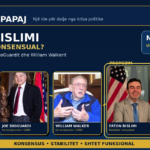 Albin Kurti & opozita duhet të bien dakord për Faton Bislimin, kandidatin për president konsensual propozuar nga kongresmeni JoeDioGuardi & ambasadori Walker Nga Elida Buçpapaj
 BIRN: Shqipëria, e papërgatitur për një ndryshim të rregullave të lojës nga BE
 Lisat nuk ikën- Poezi të reja nga Ismet TAHIRAJ
 Kamberi i përgjigjet Vuçiqit: “Nuk kuptoj çfarë po të shqetëson nga angazhimi im për shqiptarët”
 Shqipëria në planin rajonal për rikthimin e pyjeve, në fokus Alpet dhe pellgu i Drinit
 Kendi i humorit: I kërkon partnerit të bëjnë përsëri dashuri
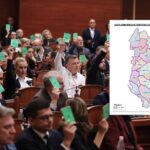 U miratua me 85 vota pro ndarja e re administrative, Shqipëria me 15 bashki më pak, si do funksionojnë! Ekspertët skeptikë: Nuk garanton shërbime për qytetarët