UN Emergency Meeting – January 5, 2026
• The UN Security Council will hold an emergency session to discuss the U.S. military operation in Venezuela[1].
• The session was requested by Venezuela and Colombia, supported by China and Russia[2].
• Russia uses this meeting to criticize the U.S. and emphasize that state sovereignty must be respected[3].
Russian Diplomatic Strategy
• Russia presents its positions at the UN as defending international order[4].
• Coordination with allies like China helps block or weaken resolutions critical of Russia[5].
• The UN platform is used to legitimize Russia’s narrative, despite widespread international criticism[6].
Extreme Actions in Practice
• Ukraine: Artillery, missile, and drone attacks on civilians; significant infrastructure damage[7][8].
• Africa (Mali, Sahel): Russian paramilitary forces (Africa Corps / Wagner) provide military support and commit abuses against civilians[9][10].
• Global deployments: Direct and indirect interventions in Central Asia and former Soviet states[11].
Key Contradiction
• Russia claims to protect international order and sovereignty, yet its actions often involve interventions, violence against civilians, and violations of international law[12][13].
• The UN emergency meeting is used as a diplomatic tool to mask extreme actions and challenge international criticism.
Conclusion
The January 5 UN emergency meeting illustrates the gap between Russia’s diplomatic rhetoric and its concrete military and paramilitary actions. This highlights the international challenge: how to maintain legitimacy and accountability when a permanent UN member uses the UN itself to justify or obscure violent interventions[14][15].
Footnotes
[1]: United Nations. (2026). Security Council emergency session on Venezuela. https://www.un.org/securitycouncil/
[2]: Reuters. (2026). Venezuela and Colombia request UN Security Council meeting. https://www.reuters.com
[3]: United Nations General Assembly. (2025). Statements by Russia on sovereignty and intervention. https://undocs.org
[4]: Amnesty International. (2025). Russia’s narrative in UN forums. https://www.amnesty.org
[5]: United Nations Security Council. (2025). Coordination with allies to block resolutions. https://www.un.org/securitycouncil/
[6]: European Council. (2025). Russia’s diplomatic messaging and UN strategy. https://www.consilium.europa.eu/en/policies/sanctions/
[7]: Human Rights Watch. (2025). Civilian casualties and drone attacks in Ukraine. https://www.hrw.org
[8]: United Nations Human Rights Council. (2023). Investigation report on Russian attacks in Kherson. https://ukraine.un.org/en/295172-un-commission-concludes-russian-armed-forces%E2%80%99-drone-attacks-against-civilians-kherson
[9]: Reuters. (2025). Russia expands Africa Corps for Mali and Sahel. https://www.reuters.com
[10]: Human Rights Watch. (2025). Abuses by Russian paramilitary units in Africa. https://www.hrw.org
[11]: International Crisis Group. (2025). Russia’s paramilitary operations in Asia and former Soviet states. https://www.crisisgroup.org
[12]: Amnesty International. (2025). Russia’s interventions vs diplomatic statements. https://www.amnesty.org
[13]: United Nations General Assembly. (2022). Resolution ES‑11/1 on Ukraine. https://docs.un.org/en/A/RES/ES-11/1
[14]: International Crisis Group. (2025). Global response to Russian interventions. https://www.crisisgroup.org
[15]: European Council. (2025). Diplomatic consequences of Russian actions. https://www.consilium.europa.eu/en/policies/sanctions/
The Land of Leka; 04.01.2026


 KARAFILAT QË PËRQAFOJNË “KARIATIDET ”… Kujtime DR. EDUARD A. SKUFI
 Urime për postin e Presidentes, Justinë, çika shtatselvi e Simon Shirokës! Nga Çun Lajçi
 SKIFTER NË SHKREPA- Nga ARIF EJUPI
 KUR RIVALITETI POLITIK I LË VEND INTERESIT TË PËRGJITHSHËM- Nga ARIF EJUPI
 Prokuroria e akuzon Thaçin se ka gënjyer për historinë e UÇK-së – Thaçi duket se u kundërgodit nga intrigat e tij Nga Idriz Morina
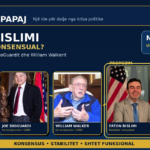 Albin Kurti & opozita duhet të bien dakord për Faton Bislimin, kandidatin për president konsensual propozuar nga kongresmeni JoeDioGuardi & ambasadori Walker Nga Elida Buçpapaj
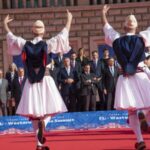 BIRN: Shqipëria, e papërgatitur për një ndryshim të rregullave të lojës nga BE
 Lisat nuk ikën- Poezi të reja nga Ismet TAHIRAJ
 Kamberi i përgjigjet Vuçiqit: “Nuk kuptoj çfarë po të shqetëson nga angazhimi im për shqiptarët”
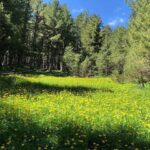 Shqipëria në planin rajonal për rikthimin e pyjeve, në fokus Alpet dhe pellgu i Drinit
 Kendi i humorit: I kërkon partnerit të bëjnë përsëri dashuri
 U miratua me 85 vota pro ndarja e re administrative, Shqipëria me 15 bashki më pak, si do funksionojnë! Ekspertët skeptikë: Nuk garanton shërbime për qytetarët