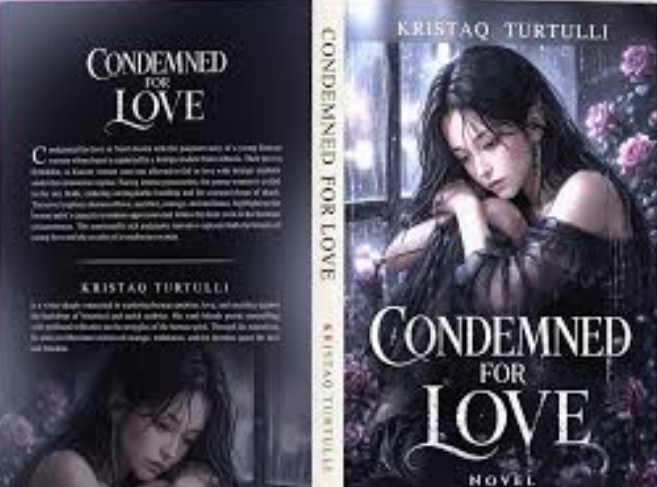
Të nderuar Miq me rastin e festivalit të librit në Torontio u botua sot në Amerikë, Amazon, Barne Noble, romani : CONDEMNED FOR LOVE ( Dënuar nga dashuria) PO hedh për ju një fragmentenga ditari i vajzës të bukur koreane May Lee, internuar me vdekje në orizoret e Koresë së veriut për shkak të dashurisë me një student shqiptar:
5 Mars
Mbrëmje e përgjakur, Viron. Vdekja më pa në sy… dhe më la.
Jo nga mëshira, por nga dëshira për të më zgjatur dhimbjen.
Jam mbjellë në këtë orizore si një trup i gjallë. Uji më kafshon gjunjët, i ftohtë si hekuri i vdekjes. Mishi çahet pa zë.
Pi kalbëzim. Ha pluhur buke. Këtu ligj është ferri…
2 Prill
Zëri yt rri brenda si një plagë që nuk mbyllet. Të shoh çdo natë, jo me sy, por me atë që mbetet kur sytë shuhen. Atëherë e kuptoj:
jeta ime ka ndodhur tashmë me ty, dhe gjithçka tjetër është mbetje.
Më fal… për jetën që nuk e pimë deri në fund, për frutin që mbeti në buzë.
Të dhashë gjithçka: trupin tim si tokë, buzët si zjarr dhe zemrën si një derë pa çelës. Ikja ime ishte vrap drejt humnerës. Dhe djajtë më kapën në çastin kur besoja se isha e lirë.
1 Maj
Të dua, jo si fjalë, por si një plagë që nuk shërohet.
14 Maj,
Ti je drita që më verbon,era që më shpërndan, dallga që më thyen.
Hyre në zemrën time pa trokitur, si fatkeqësia… ose si mrekullia.
Për një çast, unë isha e plotë.
Vetëm një çast —
dhe kjo më mjafton për një jetë.
1 Qershor
Këtu vdekja në skëterrë vdekja numërohet si orët. Por ti… më mësove si të ndiej kohën. Si të jetoj një minutë si një përjetësi.
Ti je fryma ime. Dhe në çdo frymëmarrje është një betim.
21 Qershor
Vallë a lodhet njeriu nga puthjet? Jo.Ashtu si nuk lodhet nga ëndrrat që e mbajnë gjallë.
30 Qershor
Urtësia lind në tri mënyra: duke menduar, duke ndjekur, duke u thyer. Unë kam zgjedhur të tretën.
15 Korrik
Ndarja jonë nuk ishte fundi i botës. Ti ishe gjithçka që dija të besoja. Nuk dua të vdes në këtë baltë. Ndoshta… do të ngrihem.
Do të bëhem dritë. Do të bëhem ajo që më thoje: një engjëll.
1 Gusht
Dashuria është më e fortë se vdekja. Një re vjollcë më mbështjell…
po shpërbëhem… po ngjitem… Po bëhem diçka tjetër.
Lamtumirë, Viron. …L a m t u m i r ë…
KRISTAQ@TURTULLI
CONDEMNED FOR LOVE mërkurë, 5 maj 2026
SYNOPSIS THE TULIP OF KOREA
The writer Kristaq Turtulli, in his novel Tulip of Korea is a literary novel rooted in real historical and political circumstances of the Cold War, revealing the human cost of communist internationalism and its profound hypocrisy. The protagonist, Viron Delishurdhi, is an Albanian student officially sent by the Albanian state to study in North Korea during a period when Albania, China, and North Korea maintained close ideological ties as so-called “brother parties.” These alliances, publicly founded on socialist solidarity and internationalism, concealed a rigid and inhumane system of control over private life. While studying in North Korea, Viron falls in love with a young Korean woman. Despite belonging to the same communist ideological camp, the North Korean and Chinese regimes strictly forbade their citizens from forming romantic relationships or marrying foreigners, even those from allied socialist countries.
This prohibition becomes the core of the novel’s conflict. The relationship is not treated as a private transgression but as a political crime. The Korean woman becomes the primary victim of state persecution, subjected to surveillance, interrogation, and moral destruction. Love itself is criminalized, transformed into evidence of ideological betrayal. Viron, caught between loyalty to the state that sent him and loyalty to his conscience, is forced to confront the brutal limits of obedience. Through this tragic love story, the novel offers a rare and authentic panorama of North Korea as a closed society, one that even today remains largely unknown to the world.
Everyday life is portrayed through fear, silence, and ritualized loyalty, where ideology penetrates language, emotions, and human relationships. Beyond its personal narrative, *The Tulip of Korea* stands as a powerful indictment of communist hypocrisy. The regimes that preached equality and international brotherhood enforced isolation, suspicion, and repression, reducing human beings to instruments of ideological control.
The novel exposes how authoritarian systems manipulate ideals to justify cruelty, while destroying the most intimate human bonds. At the same time, the novel carries a broader national and universal significance. It reflects the experience of an Albanian individual within the global communist system and transforms it into a moral and literary testimony. Love, memory, and quiet resistance emerge as the only forms of dignity left to individuals trapped within totalitarian structures. *The Tulip of Korea* is a novel of historical truth, ethical urgency, and emotional depth. It will appeal to readers of literary and political fiction interested in hidden histories, forbidden love, and the human consequences of totalitarian ideologies.

 NJË PAPA, KATËR LEBËR DHE DY VENDAS- Tregim nga SHKËLQIM HAJNO
 Pa udhëheqje dhe program, protestat nuk e tronditin pushtetin e Edi Ramës- Nga Arif Ejupi
 Gjenevë — Tempull i Paqes dhe Humanizmit- Nga ARIF EJUPI
 Albin Kurti pret nga opozita propozimin për presidentin konsensual Nga Elida Buçpapaj
 Mitologjia e “Gjyqit të kafes” dhe dështimi i dekomunistizimit Nga Agron Tufa
 HOROSKOPI E MARTË 18 GUSHT 2026
 “Balluku rrezikon mbi 30 vite burg, paratë e vjedhura janë transferuar jashtë” – Poli Hoxha: Ka ardhur koha që Edi Rama të thirret nga drejtësia
 “Në shtator do jetë “flakë””, Poli Hoxha: Protesta kërkon largimin e Ramës, qeveri teknike dhe rregulla të reja loje!
 Shqipëria ekziston falë Amerikës dhe Presidentit Woodrow Wilson- Nga KASTRIOT HAXHIAJ
 NJERI I KOHËS SIME… POETI SALVATORE QUASIMODO DHE DËSHMORI SHQIPTAR… Nga Visar ZHITI
 Sveçla: Arsenal i armëve u gjet në fshatrat përreth varrezave masive në Zubin Potok
 ÇESK ZADEJA, KOMPOZITORI QË BËRI EPOKË Nga Dr. ENO KOÇO