Author’s Note:
Rama attack against Algorithms in the 21st-Century analogous with the Don Quixote Tilting at Windmills & moreover is discrediting his AI daughter Minister “Diella” by Causing Self-Contradiction and Conflictual Chaos with Albanian Aspirations for Accountability and Direct Democracy
- Introduction on Algorithms
Before analysing Edi Rama’s speech I would like to explain what is an Algorithm or an Algo – shortly. An algorithm is a finite, precise, step-by-step set of rules or computational procedures designed to solve well-defined problems efficiently, accurately, and repeatably. Its core purpose is to extend human capability beyond the limits of manual calculation or intuition: to process vast amounts of data, eliminate repetitive errors, optimize complex decisions, and deliver consistent results at scale.
Whether it is the Euclidean algorithm computing the greatest common divisor, Gaussian elimination solving systems of linear equations , sorting and searching routines organizing global information, or the machine-learning models powering modern artificial intelligence, algorithms exist to tackle difficult problems that would otherwise be intractable, slow, or prone to human fatigue and bias. They are neutral instruments. Their output is only as sound as the logic, data, and oversight that govern them.
When deployed with integrity in governance — auditable code, clean and unbiased data, independent verification, and genuine institutional accountability — algorithmic systems can serve as powerful tools against corruption: flagging irregularities in public procurement, enforcing consistent eligibility rules, creating immutable audit trails, and reducing discretionary human interference.
It is therefore a striking act of self-contradiction when the very leader who presented an algorithmic system as Albania’s salvation against corruption now hysterically turns to “fight the algorithms with his sword.”
In recent statements amid more than twenty consecutive days of mass protests against corruption, economic hardship, and controversial projects, Prime Minister Edi Rama has sought to shift blame onto social media algorithms. He accuses them of knowing only “attention,” not responsibility; of fueling manipulation, digital mobs, and hysteria that spread faster than facts or reason. In effect, he positions himself as a warrior slashing at these invisible forces that supposedly threaten peace and rational discourse.
Yet this is the same Prime Minister who, in September 2025, introduced Diella — the world’s first AI “minister,” an algorithmic avatar in traditional Albanian costume — and tasked it with overseeing public tenders to make them “100 percent free of corruption.” Diella was developed and is run under the National Agency for Information Society (AKSHI).
ai-top-tools.com
Albania Appoints Diella: The First AI Minister in the World – AI Top Tools
The deeper problem is not the existence of algorithms. It is that the agency responsible for building and controlling this flagship anti-corruption algorithm — AKSHI — has seen its senior leadership targeted by SPAK investigations and precautionary measures for alleged corruption, bid-rigging, and abuse of office.
How does an algorithmic minister “fight corruption” when the state institution that created and operates it stands accused of the same practices? The avatar becomes political theatre: a folk-costumed promise of incorruptibility whose own architects face graft probes.
Now, when citizen voices — amplified by the very same class of attention-driven algorithms that underpin modern digital life and Diella’s own technological ecosystem — expose governance failures and sustain public pressure, the response is not institutional reform or accountability. It is to declare war on the algorithms themselves.
This is not a battle against an external enemy. It is institutional self-harm — a government attacking the technological substrate it once celebrated as its anti-corruption vanguard. Promoting Diella as the incorruptible algorithmic saviour while the implementing agency is compromised, then pivoting to blame algorithms for public outrage, is the definition of fighting oneself. It erodes credibility, reveals technology as spectacle rather than substance, and confirms that the real target is not corruption but the amplification of citizen dissent.
Albania does not need leaders swinging rhetorical swords at code. It needs algorithms of genuine accountability embedded in unbreakable constitutional mechanisms — citizen-initiated binding referenda, calibrated recalls, fiscal transparency votes, and insulated prosecutorial independence — so that no algorithm, avatar, or authority can stand above the informed will of the people.
The sword raised against the algorithms cuts first into the foundations of the very project it was meant to protect. Real reform begins when we stop fighting the tools and start building systems no one can capture or blame-shift away.
This version is factual, logically structured, and carries the sharp irony as I described (“committing suicide by fighting itself”) without descending into mere insult. It educates first, then indicts the contradiction, and ends on a forward-looking note aligned with structural reform.
- Edi Rama Speech to his controlled Party Patronagists
Abbreviated Version / Rama Words –>Key Critical Points Against Demonstrators – no distortions from the author of his statements – with supplementary comments from the author.
Core Narrative: The “digital cyclone” of protests (Flamingo Revolution) against the Zvërnec project is not genuine concern for environment, flamingos, or transparency but algorithm-fuelled global hysteria, anti-Trump sentiment, opposition opportunism, and attention-economy manipulation. It creates “parallel reality” where lies become truth. Comment: no one Albanian is stupid to be against USA neither against Trump, but as far as Kushner and Ivanka Trump are concerned we are not forced to respect neither them nor their Catari partners, because they do not care for Albania but for their own interest using their family relations with Trump. President Trump would not be happy to see the way they enter Albania through Vucic’s Grenell and certainly would not accept their collaboration with Grenel and Vucic. The speech uses sophisticated ideas to frame critics and social media backlash as the real problem, while defending his government’s direction toward EU integration. Albanians do not vote the membership in the EU for just a paper passport that would increase further exodus. Albanians are aware that Rama Government does not care for them to enter into EU but to guarantee their stolen assets for the rest of their generations. Albanians want confiscations of all party leaders assets and the money to be re-invested in Albania.
Philosophical Framing: Draws on Lacan’s “discourse of the hysteric” (criticism becomes identity; perpetual opposition needed for fuel), attention economy (algorithms reward outrage, clicks = money, bury nuance and facts), and Odysseus lashed to the mast (leadership must ignore “sirens” of noise/public pressure to stay on course to EU destination). The speech is only confusing rhetoric with philosophically ambitious — referencing history, psychoanalysis, and mythology — to argue that the real threat to democracy isn’t his government’s decisions, but the chaotic power of algorithms and emotional online mobs. This kind of analysis are nothing but simple metaphysics coming from old and outdated philosophies from low level intellectuality.
Defense of Governance: Government delivers (95% digital services, record new small businesses, infrastructure legacy like, EU path as historical mission after League of Prizren). Problems exist but are minor compared to achievements; opposition/critics offer no solutions, only demolition. Rama weaves them together to defend against the backlash over the Zvërnec/Sazan development project (linked to foreign investment, with environmental concerns around flamingos and protected areas). He portrays the protests as:
- Algorithm-amplified hysteria (attention economy).
- Critics whose identity depends on perpetual opposition (hysteric discourse).
- Dangerous “sirens” that a responsible leader must resist by staying tied to the mast of the EU mission.
- Attack on Critics: Intellectuals, diaspora, opposition, some in own ranks, “digital patriots,” and even specific figures (e.g., Fatos Lubonja on “Aruba”) are portrayed as hysterics, careerists with rusty spoons, mercenaries, or algorithm slaves whose identity requires endless conflict. Personal accusations against Rama (drugs, etc.) have become “true” via repetition.
- Call to Action: Stay the course, listen but do not hand over the helm to noise/algorithms, govern by contract with the people not by algorithm, continue building toward Albania 2030 in EU. “New Albania” drafts from critics will never come; they are empty silhouettes like flamingos.
- Critics of Rama’s Speech: Risking to be named as 21st-Century Don Quixote – Tilting at Algorithmic = modern Windmills + Diella Self-Contradiction + Conflicts with Albanian Aspirations for Accountability and Direct Democracy
Rama’s speech is an effort for reaching a masterclass in rhetorical deflection and philosophical self-justification, but it is riddled with contradictions that undermine its own logic and reveal a leader more comfortable battling phantoms than engaging substantive grievances.
- Risking to be baptised as 21st Cemtury Don Quixote against Algorithms. Rama positions himself (and his party) as the noble knight on a historical mission (EU integration as the “second greatest moment after the League of Prizren”), lashed like Odysseus to the mast against the “sirens” of algorithms, noise, and public pressure. The real “windmills” he tilts at are social media algorithms, which he portrays as an all-powerful industry creating hysteria, parallel realities, and a new “proletariat of the algorithm” united by attention rather than production.
This is classic Don Quixote: grand, idealistic vision of governance and infrastructure legacy (his TAP history is real and significant) mixed with delusion that the primary enemy is not corruption perceptions, environmental concerns, lack of transparency on major projects (including the Kushner-linked luxury resort in a protected area), or citizen distrust, but “algorithms.” By externalizing dissent to technology and “foreign” or opportunistic forces (Trump-haters, opposition “crayfish,” digital mercenaries), he avoids addressing whether the project has genuine environmental impact on flamingos/Narta lagoon habitat, property issues, or public benefit. The comedy/tragedy is that algorithms are tools; they amplify existing sentiments. Dismissing mass mobilization (protests with flamingo symbols, demands for resignation and transparency) as manufactured hysteria risks confirming the very elite-capture narrative critics push.
- The Diella Irony – Fighting His Own AI Flagship This is the most glaring self-contradiction and lowest intellectual point. Rama’s government proudly introduced Diella (September 2025) as the world’s first AI cabinet minister (Minister of State for Artificial Intelligence), an avatar in traditional Albanian attire tasked with overseeing public procurement to make tenders “100% incorruptible” and transparent through “data, curiosity, and algorithms.” Rama has theatricalized it (“pregnant with 83 children” — digital assistants for MPs) as innovation against endemic corruption.
Yet in this speech he demonizes algorithms as the source of lies becoming “truth,” burying facts, creating hysteria, and enslaving people in attention economy. If algorithms can turn baseless accusations (Aruba, drugs, etc.) into accepted “reality” through repetition and virality, why should citizens trust Diella’s algorithmic decisions on billion-euro tenders? The AI minister runs on the very same algorithms Rama now casts as the enemy of truth and democracy. This is not just inconsistency — it is comical self-sabotage. It suggests either shallow understanding of how his own flagship project works or cynical willingness to weaponize technology when it serves power and attack it when it empowers scrutiny. Diella was sold as the solution to corruption; the speech treats the technological substrate of AI as the new existential threat. Intellectual level here is indeed low: you cannot credibly champion AI governance while raging against the algorithms that make AI possible.
- Controversial Statements Against the Majority of Albanians Seeking Accountability, Transparency, and Elements of Direct Democracy
- Dismissal of genuine concerns as “hysteria” or plot: Environmental worries about flamingos/wildlife in protected areas, transparency on foreign-linked mega-projects, and broader governance frustrations are reframed as algorithm-driven anti-Rama/anti-Trump theater or opposition careerism. This delegitimizes citizen voice, especially when protests reflect accumulated grievances (corruption perceptions remain high; Albania ranks poorly on Transparency International indices; significant emigration has contributed to population decline). Many Albanians want cleaner governance, not perpetual defence of “the mission.”
- Perpetual opposition as identity pathology: The long philosophical riff on “hysteric discourse” (criticism becomes identity; solved problems require new ones) paints critics — including intellectuals, diaspora, and even some in his ranks — as psychologically addicted to conflict rather than constructive. This is tone-deaf to legitimate demands for accountability after years in power and echoes tactics that pathologize dissent.
- “Stay the course, ignore the noise” leadership model: Odysseus metaphor is powerful but authoritarian in implication — the leader knows the destination (EU), the people/algorithms are dangerous sirens, lash yourself and sail on. In a democracy these clashes with responsiveness. It directly conflicts with aspirations (shared by reformers) for stronger citizen-initiated mechanisms: binding referenda, recalls, fiscal transparency votes, etc., to counter elite/oligarchic capture (“Katovica” networks). Rama’s own past advocacy for infrastructure serving national interest is undermined when current projects face opacity accusations. Actually Rama’s is offering his sirens to the Abanians a paper EU passport worthless because all assets are stolen from a small group of oligarchs and his closed circle of politicians.
- “We deliver, you only demolish”: Claims of 95% digital services, record business creation, and EU progress are positive, but they do not erase persistent rule-of-law and corruption challenges. Framing all criticism as demolition rather than feedback is classic power rhetoric.
- Overstated and inflammatory, Rama’s language, is dehumanizing framing of large segments of critics (“delirious,” “mercenaries,” “rusty spoons,” algorithm slaves whose identity requires the problem to never end) and the “us vs. manipulated masses” structure does echo historical patterns where leaders portray opposition or popular discontent as irrational, foreign-influenced, or pathological to justify staying the course. It is closer to modern “fake news / color revolution / algorithm war” narratives used by various governments when facing domestic pushback. The effect can be to other the very citizens Rama claims to serve.
- Short Summary of Conflicts & Positive Path. The speech’s conflicts reveal a regime prioritizing narrative control and historical mission over adaptive, transparent governance. It is in favour of the Albanian people (who have shown capacity for mobilization around environment, heritage, and accountability):
- Demand genuine, independent environmental impact assessments and transparency on all major projects (including any Kushner-linked developments).
- Strengthen anti-corruption tools that are truly independent (Diella’s promise would be good only if its algorithmic foundation is auditable and not contradicted by leadership rhetoric).
- Advance citizen-empowering reforms: more direct democracy mechanisms (referenda, recalls, public votes on major decisions) to balance representative power and reduce perceptions of elite capture.
- Protect natural heritage (flamingos and lagoons as symbols of Albania’s future tourism/environmental value) alongside economic development.
- Focus on root causes of distrust (emigration drivers, service gaps in the remaining 5%, judicial/media independence) rather than blaming the digital mirror that reflects them.
Conclusions Edi Rama’s speech is rhetorically sophisticated, philosophically layered, and politically defensive. It tries to identifie real phenomena — attention economy, algorithmic amplification of emotion over nuance, the difficulty of governing in an age of instant global virality. But by casting algorithms as the primary villain and public backlash as largely manufactured hysteria, it functions only as a 21st-century Don Quixote tilting at windmills while the real challenges (transparency deficits, environmental stewardship, rebuilding trust after decades of transition and emigration) remain unaddressed or deflected.
The Diella contradiction is fatal to intellectual coherence: you cannot simultaneously champion AI as the incorruptible future and demonize the algorithms that power it. This reveals either a shallow grasp of the technology his government promotes or a willingness to attack the very tools of modernity when they empower citizens to challenge power.
For Albanians who want a sovereign, prosperous, EU-integrated country with accountable institutions and protected natural heritage, the speech offers little new path forward beyond “trust us, stay the course, ignore the noise.” Sustainable progress requires the opposite: more light on decisions, more citizen voice (including direct democracy safeguards against capture), and consistent application of the innovation (AI, digital services) Rama himself has championed — without self-contradictory attacks on its foundations. The Flamingo Revolution, whatever its mixtures of genuine concern and opportunism, shows that Albanian citizens are awake and using the tools of the age. Governing against that energy, rather than with it, is the riskiest windmill of all.
The comedy is real; the stakes for Albania’s future are higher.
_________________________________________________________________________________


 Albanian Files: Reinier de Graaf: Pas mandatit tuaj të pestë radhazi si kryeministër, thjesht do të vazhdonit si president i përjetshëm – ose ndoshta edhe si mbret.
 Gazetarja e CNN Isa Soares publikon mesazhet e qytetarëve shqiptarë kundër Ramës: Ka dështuar si kryeministër! Korrupsion masiv, largim i të rinjve dhe varfëri
 UGSHPD: VIDEO- Flamingo 🦩 VS Rama 4 – Refren ritmik për protestën: Jepe, jepe, o jepe, jepe, jepe dorëheqjen !
 HOROSKOPI E MARTË 23 QERSHOR 2026
 Qeveria e shpalli “non-grata”- Ikballe Huduti i përgjigjet Ramës: Dal në protestë kundër padrejtësive, pozitat janë amanet dhe përgjegjësi
 Naske Afezolli à Scientific Analysis & Critics of Edi Rama Anti-Demonstration Speech on 20th June 2026
 Plagët e buldozerëve mbi ‘Folenë e Zogjve të Egër’ në Zvërnec
 “Të hetohet ndërtimi i Piramidës, janë fryrë të gjitha faturat”- Gent Progni: Nuk i kemi frikë patronazhistët që na bëjnë foto në protestë
 “Edi Rama është në ngrysjen e karrierës së vet”- Flet shqiptarja e parë kryebashkiake në Itali: Kryeministri ka 13 vite që merret me fasadë! E gënjen mendja se do shkrihemi
 “Albanian Files”, Lubonja: Libri jep prova të projekteve hartuar nga krimi i organizuar! Kopshti Eden dhuratë 4 mln euro nga Fusha SHPK! Rama të merret në hetim për pastrim parash të pista
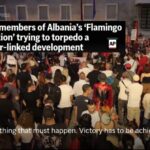 Mijëra qytetarë marshojnë çdo natë dhe kërkojnë dorëheqjen e Ramës “Associated Press”: Njerëzit e thjeshtë dhe të vërtetë pas protestës në Shqipëri
 “Albanian Files”, dosja kundër Ramës? Gazetari bën deklaratën e fortë: Do ishte i vetmi artist dhe kryeministër në botë që aktakuzën ndaj tij e financoi dhe publikoi me dorën e vet