



Nga Gjergj Erebara | BIRN
Në vitin e largët 1397, një anëtar i parlamentit anglez u arrestua nga gjykata “e mbretit” dhe u dënua me vdekje, akuzuar “për tradhti”. Lindi në këtë mënyrë ajo që sot njihet si imuniteti nga përndjekja i deputetit, në mënyrë që ai të mund të ushtrojë punën e deputetit i lirë, pa u ndëshkuar për atë që flet apo mënyrën se si voton.
Në formën aktuale, imuniteti i deputetit rrjedh nga Revolucioni Francez, në të cilin u vendos, (mes shumë gjërave të tjera) që deputeti të mund të ushtrojë deputetllëkun pa frikë se do të ndëshkohet.
Siç vërehet, imuniteti i deputetit është një instrument që synon të mbrojë deputetin, normalisht atë kritik dhe kundërshtar me pushtetin – ose mbretin në rastin e Anglisë së shekullit të katërmbëdhjetë – nga arrestimet potencialisht arbitrare, me qëllim që, fjala vjen, deputeti të ndalohet të shkojë në parlament për të votuar apo për të folur.
Ndërsa shteti modern u zhvillua, një nga zhvillimet kyçe që u konceptua nga Montesquieu, i cili ishte gjykatës, dhe u zbatua fillimisht pas Revolucionit Amerikan, ishte ndarja e sistemit të drejtësisë nga ekzekutivi. Në këtë kontekst, gjykata nuk ishte më “e mbretit”, por ishte e pavarur nga ekzekutivi.
Megjithatë, shumë klauzola ligjore mbesin formalisht në fuqi si relike pavarësisht nëse kanë apo jo vlerë praktike dhe aktualisht, në Mbretërinë e Bashkuar, deputeti nuk lejohet të arrestohet “për shkak të borxheve” rrugës nga shtëpia për në parlament dhe rrugës së kthimit nga parlamenti për në shtëpi.
Ndalimi i arrestimit të deputetit “për shkak të borxheve të pashlyera” rrjedh nga praktika e gjithëpërhapur e kohës së Mesjetës së arrestimit dhe burgosjes së çdokujt që binte në faliment. Por diku përgjatë zhvillimit të shtetit modern, bota kuptoi se ishte mizore dhe jopraktike burgosja e një të falimentuari dhe ligji i ndalimit të arrestimit të deputetit “për borxhe” vijon të jetë teknikisht në fuqi, pavarësisht se në botën e sotme, askush nuk mund të burgoset “për borxhe”.
Por deputeti natyrisht që mund të arrestohet për vepra penale. Për këtë nuk ka dhe nuk ka se si të ketë imunitet. Dhe natyrisht që nuk arrestohet dhe as nuk gjykohet as nga qeveria dhe as nga parlamenti. Arrestohet dhe gjykohet nga sistemi i drejtësisë, i cili duhet të jetë i pavarur nga këto dy pushtetet e tjera dhe “kufizues” ndaj pushtetit të këtyre dy të tjerëve.
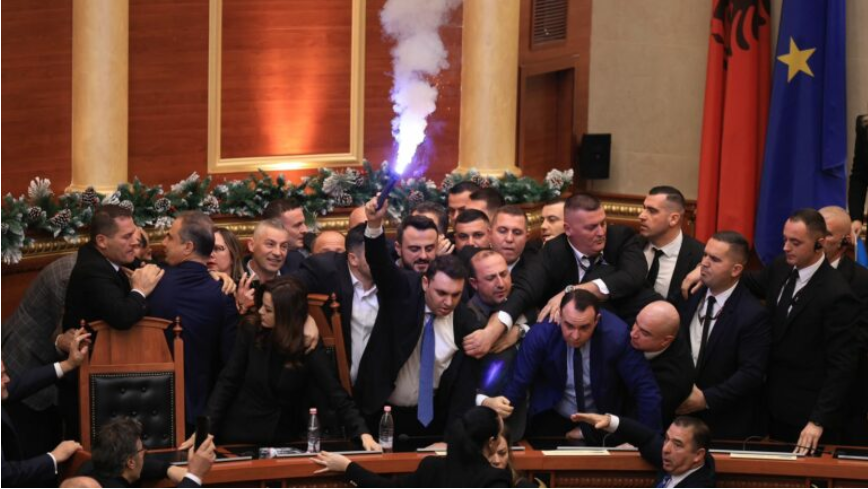
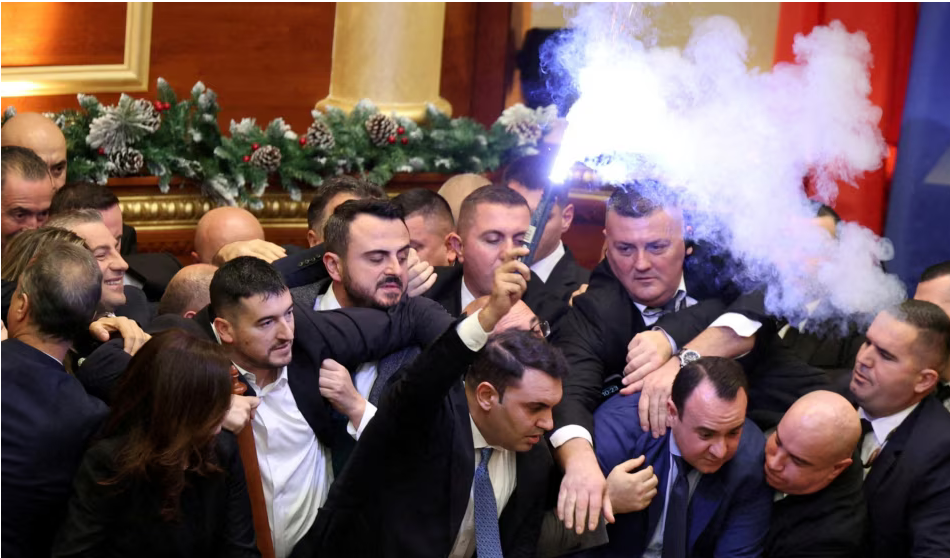
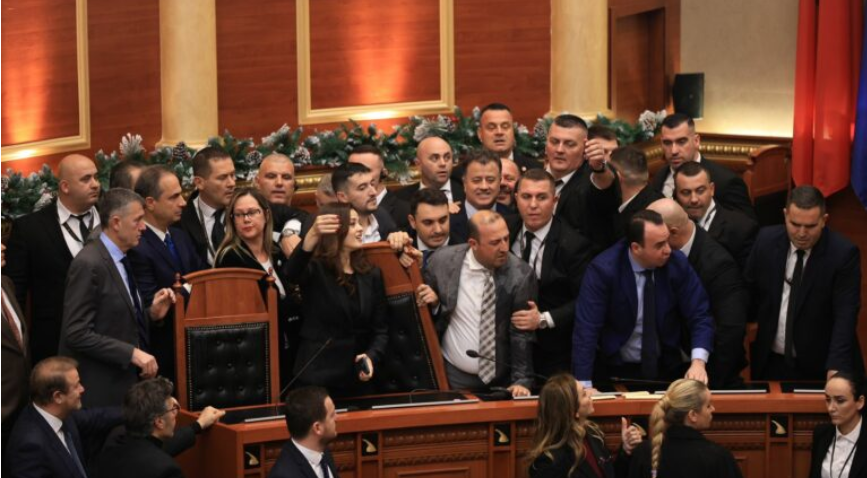
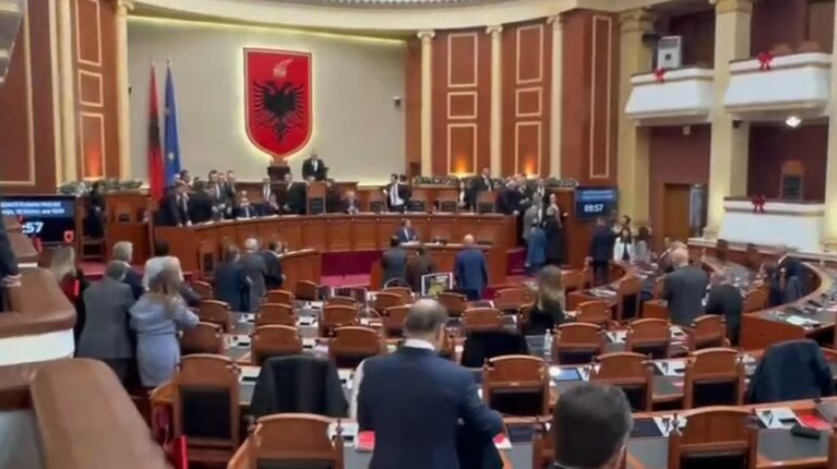
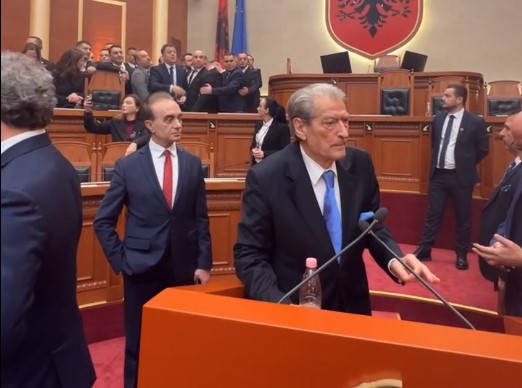
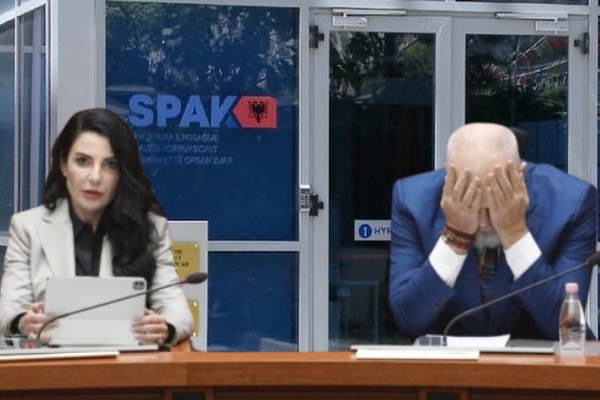
Kuvendi i Shqipërisë pritet të debatojë gjatë ditëve në vijim, kërkesën e Prokurorisë së Posaçme për heqjen e imunitetit të deputetes Belinda Balluku, ministre dhe zëvendëskryeministre, e marrë e pandehur për manipunimin e një numri të konsiderueshëm procesesh të prokurimeve publike. Aktualisht po ruhet si sekret argumentimi se pse SPAK mendon se Balluku duhet të arrestohet, ndërsa deri më tani ka qenë e marrë e pandehur në gjendje të lirë.
Por ndërsa nuk e dimë se pse SPAK kërkon arrest, ajo që dimë është që roli i Kuvendit nuk është që të bëjë gjykatën dhe se, procesi i autorizimit të prokurorisë për të arrestuar një anëtar të kuvendit duhet të jetë formal. Në këtë kontekst, imuniteti i deputetit (dhe i ministrit gjithashtu), ndalon arrestimin pa paralajmërim të një deputeti, fjala vjen, rrugës duke vajtur në parlament për të votuar, por nuk është dhe nuk mund të jetë mburojë përballë akuzave të karakterit penal. Institucioni që ka për detyrë të gjykojë meritat e kërkesës së prokurorisë për masë sigurie, dhe provat e mbledhura prej saj, është gjykata.
Historia e re e Shqipërisë ka dhënë disa shembuj, në përgjithësi negativë, në lidhje me kërkesat e prokurorëve për lejim arrestimi. I pari, në fillimet e së ashtuquajturës demokraci, kur prokuroria ishte, siç vijoi deri vonë të ishte, një degë e pacipë e ekzekutivit, ishte rasti i heqjes së imunitetit, arrestimit dhe dënimit të Fatos Nanos, në atë kohë, kreu i opozitës. Historia tashmë dihet. Shumica demokrate në parlament autorizoi prokurorinë e kohës për arrestimin e Nanos nën akuzat për korrupsion, ndërsa vëzhguesit ndërkombëtarë e konsideruan atë një të burgosur politik.
Kushtetuta e vitit 1998 i dha deputetëve dhe gjyqtarëve një imunitet ektrem, jo vetëm ndaj arrestimit, por edhe ndaj hetimit.
Në vitin 2008, tentativat e demokratëve për të vonuar miratimin e kërkesës së prokurorisë për heqjen e imunitetit të deputetit Fatmir Mediu, ish-Ministër i Mbrojtjes i akuzuar për shpërthimin tragjik të Gërdecit në 15 mars të atij viti, dështuan pas presionit eksplicit të partnerëve ndërkombëtarë.
Në vitin 2010, Gjykata e Lartë e pushoi çështjen duke argumentuar se, pas zgjedhjeve të vitit 2009, Mediu fitoi një mandat të ri deputeti dhe rrjedhimisht, imunitet të ri. Prokuroria nuk bëri më kërkesë për heqjen e imunitetit të ri dhe përgjegjësia potenciale e Mediut për shpërthimin tragjik mbeti deri vonë e pahetuar dhe e pagjykuar.
Në vitin 2012, si pjesë e përpjekjeve për luftën kundër korrupsionit, imuniteti parlamentar u reformua dhe u kufizua disi.
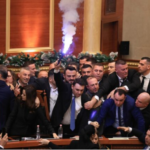
Socialistët u përballën për herë të parë me një kërkesë për heqje imuniteti në vitin 2018, kur një grup trafikantësh droge nga Vlora u goditën nga drejtësia italiane. Personi, imuniteti i të cilit u kërkua të hiqej ishte ish-Ministri i Brendshëm, Saimir Tahiri. Nën udhëheqjen e Edi Ramës, prokurorët që kërkuan heqjen e imunitetit ndërsa po hetonin Tahirin për as më pak e as më shumë trafik ndërkombëtar droge, u shpallën armiq. Shumica socialiste përdori forcën e kartonëve për të rrëzuar kërkesën e prokurorisë, duke vepruar në këtë mënyrë si gjykatë ndërsa u përpoqën të bindin shqiptarët se “nuk ka prova”, apo se kërkesa e prokurorisë “ka sfond politik”.
Nën presion, Tahiri dha dorëheqjen ca kohë më vonë si deputet dhe u vendos menjëherë në arrest shtëpie. Siç dihet, ai u dënua nga gjykata për abuzim me detyrën, por u shpall i pafajshëm për akuzën e trafikut ndërkombëtar të drogës.
Rasti i dytë ishte në korrik 2023, kur Prokuroria e Posaçme kërkoi heqjen e imunitetit të Arben Ahmetajt, ish-zv/Kryeministër. Në atë rast, Rama deklaroi se prokuroria kishte dërguar një material prej mbi 400 faqe dhe se kjo përbënte provë të mjaftueshme për të. Ahmetaj e humbi mandatin e deputetit, por pati kohë të mjaftueshme për të kuptuar se çfarë po ndodhte dhe u arratis nga vendi në kohë.
Thelbi i debatit në rastin “Tahiri” ishte nëse parlamenti kishte autoritetin të gjykonte cilësinë apo vlefshmërinë e provave që shoqëronin kërkesën e prokurorëve. Rama pretendonte se po, ndërsa logjika ta thotë se jo, kuvendi nuk është gjykatë, nuk funksionon si gjykatë dhe nuk mundet të gjykojë provat. Kuvendi mundet vetëm ta shqyrtojë kërkesën nga ana formale. Ekzistenca, cilësia, vlefshmëria e provave janë gjëra që shqyrtohen nga institucioni kompetent për këtë punë, që është gjykata.
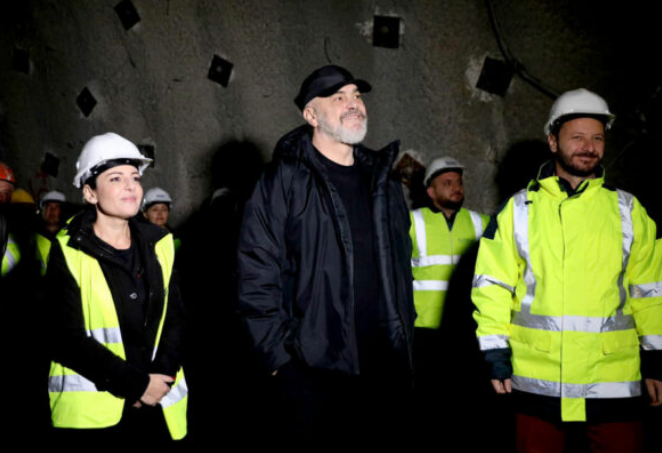
Në komentin e tij të parë pas dorëzimit të kërkesës së SPAK për imunitetin e Ballukut, gjithsesi Rama la të kuptohet se ai do t’i japë të drejtë vetes të gjykojë provat, kur e cilësoi kërkesën e prokurorisë si ftesë për të dhënë “opinion”. Jashtë parlamentit, me zë gjithsesi shumë të mekur në krahasim me rastin Tahiri, mbështetësit e qeverisë po përpiqen të artikulojnë idenë e një prokurorie politike, që supozohet se po shënjestron zyrtarët socialistë, jo pse janë të korruptuar, por se kanë “qëllime politike”.
Përballë pretendimeve të tilla është shumë e vështirë të mos qeshësh.
Ndryshe nga Anglia e shekullit të katërmbëdhjetë, gjykatat në Shqipëri nuk janë “të mbretit”, ato janë të krijuara me ligj dhe funksionojnë në bazë të ligjit. Veprimet e prokurorisë nuk janë arbitrare, ato i nënshtrohen gjykatës së shkallës së parë, vendimet e së cilës mund të apelohen në gjykatën e apelit, kundër vendimeve të së cilës mund të bëhet rekurs. Të pakënaqurit me tre shkallë drejtësie kanë gjithashtu mundësinë t’i drejtohen Gjykatës Kushtetuese dhe Gjykatës Evropiane për të Drejtat e Njeriut.
Është shumë e vërtetë që, si rrjedhojë e trashëgimisë komuniste, gjykatat dhe prokurorët kanë prirje të mos respektojnë prezumimin e pafajësisë dhe, siç u vu re në disa prej rasteve të procesit të vetingut të prokurorëve, kishte syresh që mendonin se masa e sigurisë arrest me burg “është e duhura” për shkak se, për disa vepra të lehta penale, njeriu mund t’ia hedhë edhe pa bërë burg, duke u dënuar me kusht. Kjo nuk është e vlefshme në rastin e zyrtarëve socialistë që janë përballur me drejtësinë.
Në këtë kontekst, edhe vetë zvarritja procedurale e vendimit për heqjen e imunitetit të Ballukut është e papranueshme.













**** THE PLACE CALLED GREECE NEVER EXISTED BEFORE AS WE KNOW IT TODAY ******
The place called Greece never existed before as we know it today. The people who live in the so-called Greece today used to be called “Romej” during Byzantine Empire and “Raja” during Ottoman Empire times (except the Arvanites and Chams who used to be called always by their name like “Albani”, “Albanoi”, etc.) and the name “Greece” never existed during Byzantine times.
The people who live in the so-called Greece today are NOT the descendants of ancient Greece (as the world history knows it). That ancient culture and civilization (which is in fact an Illyrian-Pelasgian civilization, wrongly and deliberately named and misrepresented as “Greek” in modern times), unfortunately went extinct about 2000 yrs ago, like many other ancient civilizations (such as Latin civilization as well, language of which is spoken in the certain official religious ceremonies in Vatican today and for international medical terminology only).
During Ottoman times in the Balkans, after the great powers pushed for an uprising in the region that today is artificially called “Greece”, an independent country was formed during 1821-1832.
The majority of the population there (about 92%) was of Arvanite and Cham stock – both of Albanian ethnicity.
They also were the backbone of the uprising for independence from the Ottoman Empire – with 100% of the all senior leading commanders of the uprising for independence being of Albanian stock (Arvanites and Chams). The rest of the minority population (around of 8%) was of Aromanian, Slav, Turks, and Roma stock. There were no “Greeks” whatsoever, they did not exist as ethnicity, population or language at all, up until 1821-1832 period in that region.
The Arvanite Republic was the initial nucleus independent country established in the Morea/Peloponnese region by 1821. After the gain of independence, the region was so divided, and with a prolonged civil war that a real country could not be formed on the entire region.
Fearing the disintegration of the region after Ottomans left (and the possibility of a return of the Ottomans), Prince Otto of Germany was installed in by European powers and Russian Empire, in order to clear the mess and initiate nation – building there.
He was proclaimed King of the region by great European powers and the Russian Empire of that time and given, at the same time, plenipotentiary powers to rule.
The Prince Otto royal family in Germany (Bavarian dynasty) happen to be an admirer of the ancient civilizations, one of them being the extinct ancient “Greek” civilization, traces and archeological findings of which are also seen in that region called today “Greece” as well.
Being an ancient history romantic and buff, “living in a bubble” and being completely out of touch with the realities of the Illyrian Peninsula at that time, Otto came up with the idea (in collusion also with the then Russian Empire and an anti-Christian dangerous religious cult in that region at that time – some self-proclaimed “Orthodox” Church), that the only way to keep the place together and for a chance to build a country there, was to adopt/impose some kind of neutral/foreign ancient language and culture for all people living in that place, that will make possible for the people to stick together under one language and culture imposed on them.
Therefore, with a special royal decree, Otto proclaimed a version of the ancient artificial “Greek”/Koine language (the easier one to be taught and learned by people there in those times) as an official language of the place, and also came up with the new name for the place, calling it with a special royal decree “Greece” (a name without any historical and factual meaning).
Everything else was banned, and the new “country” formed, was ordered to be rebuild anew in resemblance of the old romantic view of the ancient extinct “Greek” civilization, starting with the buildings, names of people, places, cities and villages, regions, mountains, fields and all were changed to made-up names borrowed from the ancient literature of an imaginary ancient “Greek” civilization.
This of course was accompanied with money brought in by European powers to rebuild. The more people in that region agreed with the change of their true national and ethnic identity and declared themselves artificially “Greeks/Helenes” and adopted to the new order, the more money was to be pouring in.
Naturally, the strongest resistance to this artificial and made-up solution, was made by the Arvanites (who consider themselves to be pure Albanians at the same time – contrary to the today’s Greek governments laughable, nonsense, and desperate lying propaganda that falsely declares that “Arvanite of Greece speak Albanian but are not Albanians but Greeks”) and Chams, but at no avail.
It is legendary, the loss by one vote (the illegal vote of then French Ambassador) in the Price Otto’s rigged Parliament of that time, of Arvanite and Chams proposal to have the Albanian (Arvanite) language as an official language of the place called ‘Greece” today, and to name and call the new country “Arvanoi (Albania)” (instead of “Greece).
There is overwhelming scientific and factual evidence, archival and historical documents, as well as studies and publications by major world-renowned authors and authorities in the field, about all of the above.
One interesting fact here, is that one of the earlier German/Austrian well known historians and scientists of that time, Fallmerayer, alerted Prince Otto and others to this nonsense, of declaring a whole people and place by a name not belonging to them (so experimenting with them as they were guinea pigs), and injecting an extinct artificial language, culture and civilization on people who had no idea about it and did not belong to it at all. Well, Fallmerayer may have proven to be right.
By the way, Fallmerayer, is a banned figure and historian by the dictatorial klepto-theocracy regime in what is called “Greece” today.
Through a thorough fact finding mission and field observations during the same time (of Prince Otto’s installation to power in the region called “Greece” today), another world-renowned German historian, subject-matter expert and scientist of that time, Prof. Hans Heidenauer, came to the conclusion and reported back to German royal authorities that – “there are no ‘Greeks’ whatsoever in the region, they don’t exist – there are only people and a population who speak a language called Arvanite/Albanian and the people call themselves Arvanites/Albanians”.
Another earlier government fact-finding mission about the Albanian inhabited regions in Europe, commissioned by Napoleon Bonaparte (Emperor of France) around the year 1800, confirmed that, Albanian regions extended from Mediterranean Sea and Peloponnese up to Dalmatia and Danube river, and eastward beyond Vardar (Dardhar) river bordering Aegean Sea.
By the way, Germany is still paying for the Otto’s racist and ignorance blunder, even today. It has gotten stuck with the country so called “Greece”. It is now forced to pour free money, even today, out of Germany’s pocket (through European Union as well) year after year to keep it alive and going, as this “Greece” cannot stand on its own.
It is an artificial creation of Prince Otto’s ill-conceived fantasy and the malevolent aims of then Russian Empire and the dangerous religious cult/sect called “Orthodox” Church – a “zombie”, “fake”, “scam” and a “plagiarized” country so to speak, and the new generations of the Germans and Europeans are continuing to pay the price for it. To illustrate, during its existence since 1832, this so-called country of ‘Greece” has changed twice its official language and three times its national flag.
Moreover, what Prince Otto did back then, is tantamount to a silent ethnic cleansing by alteration (followed later on by mass murder, pogroms, holocaust, and ethnocide by succeeding “Greek” governments).
He forced inhabitants of a whole region/place (called “Greece” today) to change by force their culture, language, national and ethnic identity to something else that those people were not, so they could artificially change in order to look modern and civilized (like artificial ancient “Greeks” in Otto’s personal view) and possibly be united.
And of course, Arvanites and Chams (as the majority population in the region) suffered mostly from this ethnic cleansing – which was later on followed even with mass killings, ethnocide, holocaust, and mass expulsions of Arvanites and Chams (who refused to change and trade their Arvanite/Albanian language for a Koine “zombie” language), by zombie and dwarf “Greek” governments and regimes that followed into the 20th century.
All this revelation, informs another major and mission critical nodal point: history taught about what is called “Greece” today, it appears to be taught wrong. People are wrongly taught in schools that today’s “Greece” and its people are the direct descendants of “ancient Greeks”.
“Greece and Greeks” of today, to some extend, also falsely think they are superior to others just because they are called “Greeks” and their country “Greece” by decree (not by the virtue of the truth).
They also seem to falsely believe for some reason, they are entitled to the German and European money being handed out to them – as, it seems, they are unable to create any value-added contribution to the European economy, culture, art, business, science and technology.
The school textbooks and historiography should change, telling people the truth as it is.
And with this, will come many other changes, in the way we see relations with the country called “Greece” today.
Shkencëtarët e Rinj Shqiptaro-Amerikanë
(Young Albanian-American Scientists)
New York, Qershor 2018
(June 2018) ====================================================================================