“Kosovo is my blood that will not be forgiven.” – Enver Hadri
Cause, Motivation, Perpetrators, and Trials of the Assassination
1. Introduction – Historical Context At the end of the 1980s, the political and ethnic situation in Yugoslavia was extremely tense, especially in Kosovo. After Serbia revoked the province’s autonomy, Albanians faced a repressive campaign that included arbitrary arrests, physical violence, systematic human rights violations, and political discrimination.[1] State structures imposed a climate of fear and terror, preventing any political or civic activity opposing the regime.[2] In this context, the Committee for the Defense of Human Rights in Kosovo was established, composed of Albanian activists and intellectuals, with the aim of protecting human rights, documenting state violence, and informing the international community about the violations occurring in Kosovo.[3] Enver Hadri, an activist and intellectual with an international reputation, known for his connections with the European Parliament and human rights organizations, was placed at the head of the committee.[4] Hadri mediated diplomatic contacts and sought to secure international reactions to the situation in Kosovo.[5]
2. Activities of the Committee and the Role of Enver Hadri Collecting Evidence The committee led by Hadri collected evidence on state violence and repression, including political arrests, torture, and property searches.[6] Hadri frequently traveled to cities and villages to interview citizens and gather evidence of human rights violations.[7] One of the most important activities was the preparation of files and lists of victims, including the List of 32 Albanians who were killed or politically detained, a document intended to be submitted to international institutions and decision-making states.[8] This list represented direct evidence of state violence and served as a tool for political pressure.[9] International Awareness Hadri used the reports and documentation collected to inform the European Parliament and other international organizations.[10] This awareness contributed directly to the decisions and resolutions adopted by the European Parliament on Kosovo and to the visits of investigative delegations in the field.[11]
3. European Parliament Resolutions and Reports Resolution of 12 April 1989 After the intensification of violence, the European Parliament adopted its first resolution on Kosovo on 12 April 1989.[12] The resolution condemned the use of force against Albanians and expressed concern over systematic human rights violations.[13] It called for the respect of autonomy and a peaceful political dialogue, as well as independent investigations into the violence.[14]
Fact-Finding Mission Report (May–June 1989)
The European Parliament delegation conducted a fact-finding mission to verify the situation in Kosovo and Belgrade.[15] The mission visited cities and villages, interviewed citizens, and collected evidence on state violence.[16] The published report assessed that violence against Albanians was systematic and ongoing.[17] The evidence collected by Enver Hadri was given significant weight as a reliable source.[18]
Resolution of 15 February 1990
To maintain international pressure, the European Parliament adopted a second resolution on 15 February 1990.[19] This resolution reiterated the call to respect human rights and release political prisoners, emphasizing the need for international monitoring and continued engagement regarding the situation in Kosovo.[20]
4. The Assassination of Enver Hadri On 25 February 1990, Enver Hadri was assassinated in a planned attack in Brussels while waiting at a red traffic light.[21] A car approached, and a person fired at him, severely wounding him and causing immediate death.[22] Documents carried by Hadri, including the List of 32 Albanians, were found in his car.[23] Hadri’s assassination was a political act, orchestrated by Yugoslav secret services to halt the documentation of violence and silence a critical international voice against the regime.[24]
5. Perpetrators and Investigations Three individuals were identified as the main perpetrators of the assassination:
1. Bozhidar Spasić – operation commander;[25]
2. Veselin Vukotić – operational accomplice;[26]
3. Andrija Drašković – collaborator in executing the attack.[27]
Investigations showed that the assassination was organized by UDBA, the Yugoslav secret service, and was a well-planned political attack.[28]
6. Judicial Proceedings Initial Trial (2016) The three perpetrators were found guilty and sentenced to life imprisonment.[29] The trial was conducted in absentia, as Serbia refused to extradite the perpetrators.[30] Retrial and Confirmation of Sentences (2025) In 2025, the Brussels Criminal Court confirmed the sentences, considering the crime a clearly political and premeditated act.[31] The retrial highlighted the importance of international prosecution of political crimes.[32]
7. Motivation and Historical Significance Hadri was a threat to the Serbian regime because of his international activity.[33] His assassination was politically motivated to silence the denunciation of violence and the documentation of crimes against Albanians.[34] Meanwhile, Hadri’s documents and activities have served as the basis for international and judicial decisions, demonstrating that justice, even when delayed, can hold perpetrators accountable.[35]
8. International Opinion and Brussels’ Reaction
The assassination of Enver Hadri on 25 February 1990 provoked an immediate and widespread reaction on the international stage, demonstrating that the voice of a human rights activist could mobilize international solidarity and influence political pressure even after death.[36] In Brussels, the European Parliament held extraordinary sessions, strongly condemning the attack and systematic human rights violations in Kosovo. Many MEPs emphasized that Hadri’s assassination was a political act orchestrated to prevent international denunciation of violence and to silence a critical voice.[37] International media widely reported on the event, framing it as an attack on human rights activism and an attempt to intimidate the Albanian community. Major newspapers such as Le Monde, The Guardian, and The New York Times published articles and analyses on the political motive behind the assassination, giving the event a global dimension and raising awareness of the situation in Kosovo.[38] International human rights organizations reacted immediately. Human Rights Watch published a detailed statement condemning the act and calling for immediate international investigations.[39] Amnesty International urged Belgian and European authorities to ensure justice for Hadri and closely monitor the activity of the Yugoslav secret services, suspected of orchestrating the assassination.[40] The Albanian community in Brussels and neighboring countries organized protests and solidarity demonstrations. These activities increased public pressure on international authorities to act against the perpetrators.[41] Diplomatic reactions were also significant. European governments, including Belgium, France, Germany, and the United Kingdom, expressed concern over the event and demanded full investigations.[42] Embassies and diplomatic missions in Brussels expressed solidarity with Hadri’s family and the Committee for the Defense of Human Rights, emphasizing the need to protect activists documenting human rights violations in conflict regions.[43] Hadri’s assassination had an immediate impact on international institutions. Investigative delegations of the European Parliament intensified visits to Kosovo, while reports on the political situation and human rights violations were updated and disseminated across the European Union.[44] This contributed to pressure on the then-Serbian regime to be held accountable and increased global public awareness of the situation in Kosovo.[45] The legacy of Hadri’s activities, his documents, and reports, including the List of 32 Albanians who were killed or politically detained, became powerful tools for mobilizing international solidarity and strengthening political pressure.[46]
9. Conclusion
The case of Enver Hadri illustrates the connection between civil activism, documentation of violence, international influence, and delayed justice.[47] His activities, the European Parliament resolutions, reports, and judicial proceedings of the perpetrators highlight the importance of documenting and protecting human rights, even in extremely dangerous circumstances.[48]
Footnotes: 1. Radio Free Europe. “Situation in Kosovo, 1989,” report on state violence and repression against Albanians after the revocation of autonomy, Pristina, 1989. 2. Koha.net. “Serbian violence and repression in Kosovo,” 1989, article documenting arbitrary arrests, political raids, and systematic violence against Albanians. 3. Committee for the Defense of Human Rights in Kosovo. List of 32 Albanians, 1989, internal committee document containing names of Albanians killed or politically detained. 4. European Parliament. Resolution on the situation in Kosovo (Yugoslavia), 12 April 1989, official text condemning state violence and calling for respect of Kosovo’s autonomy. 5. European Parliament Delegation. Report on the fact-finding mission to Kosovo and Belgrade, May–June 1989, report on human rights conditions in the field. 6. Human Rights Watch. “Kosovo: Documentation of Abuses,” 1989, report on systematic human rights violations and torture against Albanians. 7. Illyria. “Activity of Enver Hadri,” 1989, article on Hadri’s activity and role in the Committee for the Defense of Human Rights. 8. List of 32 Albanians, committee document, 1989, serving as the basis for files submitted to international institutions. 9. European Parliament. Resolution on Kosovo, 15 February 1990, official resolution reiterating the call to respect human rights and release political prisoners. 10. Radio Free Europe. “Meetings of Enver Hadri with the European Parliament,” 1989, report on Hadri’s diplomatic efforts to raise EU awareness of violence in Kosovo. 11. European Parliament Delegation Report, 1989, document of the delegation that visited Kosovo and Belgrade to verify human rights conditions. 12. Radio Free Europe. “Assassination of Enver Hadri in Brussels,” 26 February 1990, report on the attack and its consequences. 13. Koha.net. “Political crime against Enver Hadri,” 1990, article on the political motive of the assassination and the role of Yugoslav secret services. 14. Illyria.com. “Perpetrators of Enver Hadri’s assassination,” 2016, article identifying the three main perpetrators of the attack. 15. Koha.net. “Guilt of Hadri’s killers confirmed,” 2025, report on the retrial and confirmation of sentences by the Brussels Criminal Court. 16. Human Rights Watch, 1990, analysis on the importance of prosecuting political crimes and international documentation of human rights violations. 17. European Parliament Resolutions, 1989–1990, collection of resolutions on international intervention in Kosovo. 18. Koha.net. “EU reactions to violence in Kosovo,” 1989, article on the impact of EP resolutions on public opinion and international policy. 19. European Parliament. Archive documents on Kosovo, 1989, compilation of documents on EP reports and decisions regarding Kosovo. 20. Radio Free Europe. “Visit of EP delegation to Kosovo,” May–June 1989, report on the mission’s activities and findings on the ground. 21. Committee for the Defense of Human Rights. Internal documents on arrests and state violence, 1988–1989. 22. Illyria. “List of Albanian victims,” 1989, article discussing the use of the list for international pressure. 23. European Parliament. Report on human rights violations in Kosovo, 1989, EP document on human rights abuses. 24. Radio Free Europe. “Hadri’s contacts with international organizations,” 1989, article on lobbying and cooperation with international institutions. 25. Human Rights Watch. “Kosovo: Political Repression,” 1989, report on torture and arrests of Albanians. 26. Koha.net. “EP report on violence in Kosovo,” 1989, analysis of the findings of the fact-finding mission. 27. European Parliament Delegation. Minutes of meetings, May–June 1989, official document on interviews and visits to villages and towns. 28. Radio Free Europe. “Hadri’s files and the List of 32 Albanians,” 1990, article on documents carried by Hadri during the assassination. 29. Koha.net. “Consequences of Hadri’s assassination,” 1990, report on political and international impact. 30. Illyria.com. “Investigation of the assassination,” 2016, information on the start of trials against the perpetrators. 31. Koha.net. “Initial convictions,” 2016, article on the perpetrators being found guilty and initial sentences. 32. European Parliament. Follow-up on Kosovo resolutions, 1990, document on the implementation and monitoring of EP decisions. 33. Radio Free Europe. “International pursuit of perpetrators,” 1990–2025, report on international cooperation in pursuing perpetrators. 34. Human Rights Watch. “Justice Delayed: Enver Hadri Case,” 2025, analysis on retrial and confirmation of sentences. 35. Koha.net. “Political crime and international documentation,” 1990–2025, articles on the historical importance of the Hadri case. 36. European Parliament Resolutions. “Kosovo: Human Rights and Political Repression,” 1989–1990, official collection. 37. Committee for the Defense of Human Rights in Kosovo. Internal archives, 1988–1990, documents on Hadri’s activity and files. 38. Radio Free Europe. “Assassination of Enver Hadri: Immediate International Reaction,” 26 February 1990, Pristina. 39. European Parliament. Minutes of Emergency Sessions, 1990, Brussels. 40. Le Monde. “Assassinat politique d’Enver Hadri à Bruxelles,” 27 February 1990. 41. The Guardian. “Murder of Kosovo activist shocks Europe,” 27 February 1990. 42. The New York Times. “Kosovo Activist Killed in Belgium,” 28 February 1990. 43. Human Rights Watch. “Statement on the assassination of Enver Hadri,” 1990. 44. Amnesty International. “Belgium: Call for investigation into the assassination of Enver Hadri,” 1990. 45. Koha.net. “Protest of the Albanian community in Brussels after Hadri’s assassination,” 1990. 46. European Union External Action Service. Diplomatic communications, 1990, Brussels. 47. European Parliament Delegation Report, “Follow-up mission to Kosovo,” 1990. 48. Human Rights Watch. “Impact of the assassination of Enver Hadri on international advocacy,” 1990.
The Land of Leka; 26.03.2026

 Betimi i një guerili- Nga ARIF EJUPI
 Dëshmia në hetuesi e Kreshnik Tartarit, ish-trajnerit të volejbollit të ‘Dinamos’: Feçor Shehu, që dinte interesimet e Skënderit për Silva Turdiun, s’më ka thënë në ndonjë rast, që unë ta pengoja këtë gjë
 Harresa ndaj atyre që dhanë jetën për çlirimin e vendit është mëkat i pafalshëm- Nga ARIF EJUPI
 BIRN: Kush fshihet pas resortit të familjes Trump në Shqipëri Nga Vladimir Karaj
 “IK BYTHËLËPIRËSI I OLIGARKËVE !”- Nga SAMI MILLOSHI
 UGSHPD: MISTERI I KOLLARES ME SIMPSON (Në Lagunën e Nartës nuk rritet Kameleoni)
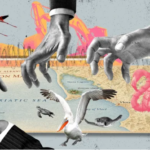 Matrioshkat e Zvërnecit – Nga Lindita Çela
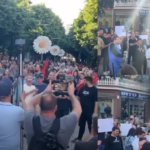 Qytetarët dalin në prtestë edhe në Korçë- Thirrje për largimin e Ramës: Ti dogje rininë, sot të djeg rinia ty
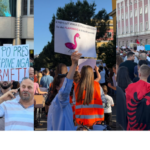 “Di gjë ka ilaç kundër helmit të gjakpirësve” Pankartat pikante në protestë, qytetarët: Atdheu nuk është në shitje! Edi Rama dorëhiqu
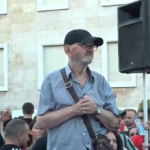 “Mes jush ka shumë dashuri” Aktori Mehdi Malkaj përlotet në protestë: Kanë fshirë qelbësirllëqet mbi kurrizin tonë, por sot…
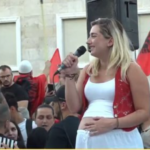 E reja shtatzënë në protestë: Jam këtu për vajzën time dhe të ardhmen ne Shqipërisë
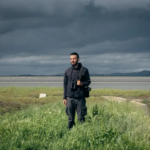 “Në Zvërnec duan të krijojnë një qytet me 10 mijë dhoma”, aktivisti Vorpsi: Rrezikohen 200 lloje shpendësh! Foleja e breshkave ishte vetëm 100 metra nga kantieri