The real danger is not criticism of the Court, but allowing a hidden veto to paralyze the Republic.
“Two days before the suspension of the Strategic Dialogue, the U.S. Chargé d’Affaires Anu Prattipati warned me that this could happen.” – Nenad Rashiq. According to him, the suspension was triggered above all by the government’s criticism of the Constitutional Court.
I’m afraid Rashiq might be right. The suspension followed the government’s criticism of the Constitutional Court. It appears so, because other sources confirm the same explanation. And let us be clear: criticism is not the same as undermining the Court. In every democracy, courts are sacred in the binding force of their decisions — but they are never beyond question. Criticism is not a privilege of private citizens alone. Institutional leaders share that right — and when the balance of the Republic is at stake, it can even become their duty.
Our American friends know this well. Criticism of courts, whether constitutional or ordinary, is part of democratic life in both Kosovo and the United States. President Trump has frequently and openly criticized American courts — including the U.S. Supreme Court — and such debate is treated as legitimate public discourse. What is accepted as normal in Washington should also be seen as natural in Prishtina.
The Constitutional Court is the guardian of the Republic. But a guardian must remain within the walls it protects. The Constitution guarantees the inclusion of minorities, but it does not create a veto through the back door. Article 81 lists the exact cases where a special majority is required. Outside those cases, the Assembly must function on the principle of majority rule.
We should never lose sight of this: the right of the Kosovo Serb community to have a representative in the Presidency of the Assembly is not the same as a right to block the Constitution of the Assembly itself. I fully uphold, recognize, and support the right of the Kosovo Serb community to that seat, as foreseen in Article 67.4 of the Constitution of Kosovo. But I am equally clear — and we will do everything possible — to resist any attempt to transform that right into a veto power over the life of the Republic.
If the Court fails to distinguish between a procedural complaint and a disguised veto claim, it risks writing into the Constitution what the Constitution itself forbids: the paralysis of the state through minority blockade. To confuse participation with paralysis would be to turn inclusion into its opposite.
Inclusion yes. Paralysis never.
Respect for the Court means expecting it to safeguard the Constitution — not to amend it by judgment. And if the Court crosses that line, criticism is not disloyalty. It is the highest act of constitutional fidelity.
Kadri Kryeziu
Professor of Constitutional Law

 Gazeta britanike: Shqipëria noton në para droge, Rama nuk kërkon falje për rolin e të atit në varjen e Havzi Nelës
 Ndërron jetë Flora Brovina, nesër do të dëshmonte për Masakrën e Dubravës
 “NË KOHËN E BRITMËS” – ROMAN I VISAR ZHITIT. “RILINDJET” E VDEKURA TË SHQIPËRISË DHE PROTESTA… Nga Era Xhaferaj
 PO ADEM JASHARI, A ISHTE UÇK?! Mos ma përmendni LDK-në nëse nuk e kujtoni gjakun e njerëzve që dhanë jetën për të! Nga Fazli Hajdaraj
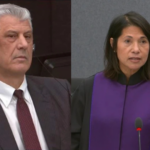 Kryeprokurorja e Specializuar shokon nga Haga: Hashim Thaçi përballet me akuza të rënda, do të dënohet gjatë
 Kapen 100 kilogramë kokainë në aeroportin e Athinës, DEA amerikane arreston 6 shqiptarë; droga e fshehur mes trëndafilave
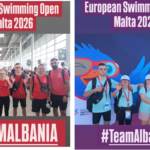 🇦🇱 Shqipëria në Malta Open 2026! 🇲🇹
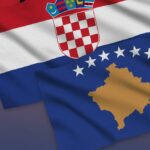 Kroacia reagon pas vendimit të Hagës: “Ky vendim nuk e ndryshon kontekstin historik të luftës në Kosovë..”
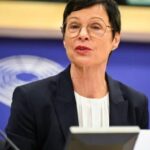 Reagon Marta Kos: Vendimet e Gjykatës duhet të respektohen, bëhet fjalë për përgjegjësi individuale
 Vendimi i Hagës: Protestuesit qëllojnë me gurë në drejtim të ndërtesës së Qeverisë në Prishtinë
 Britania: Vendimi i Hagës nuk duhet të përdoret për të nxitur tensione
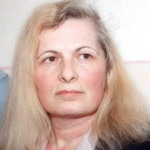 Lidhja e Shkrimtarëve dhe Artistëve të Shqipërisë përkulet me respekt para kujtimit të Flora Brovinës: NGUSHËLLIM PËR NDARJEN NGA JETA TË POETES, MJEKES DHE VEPRIMTARES FLORA BROVINA